



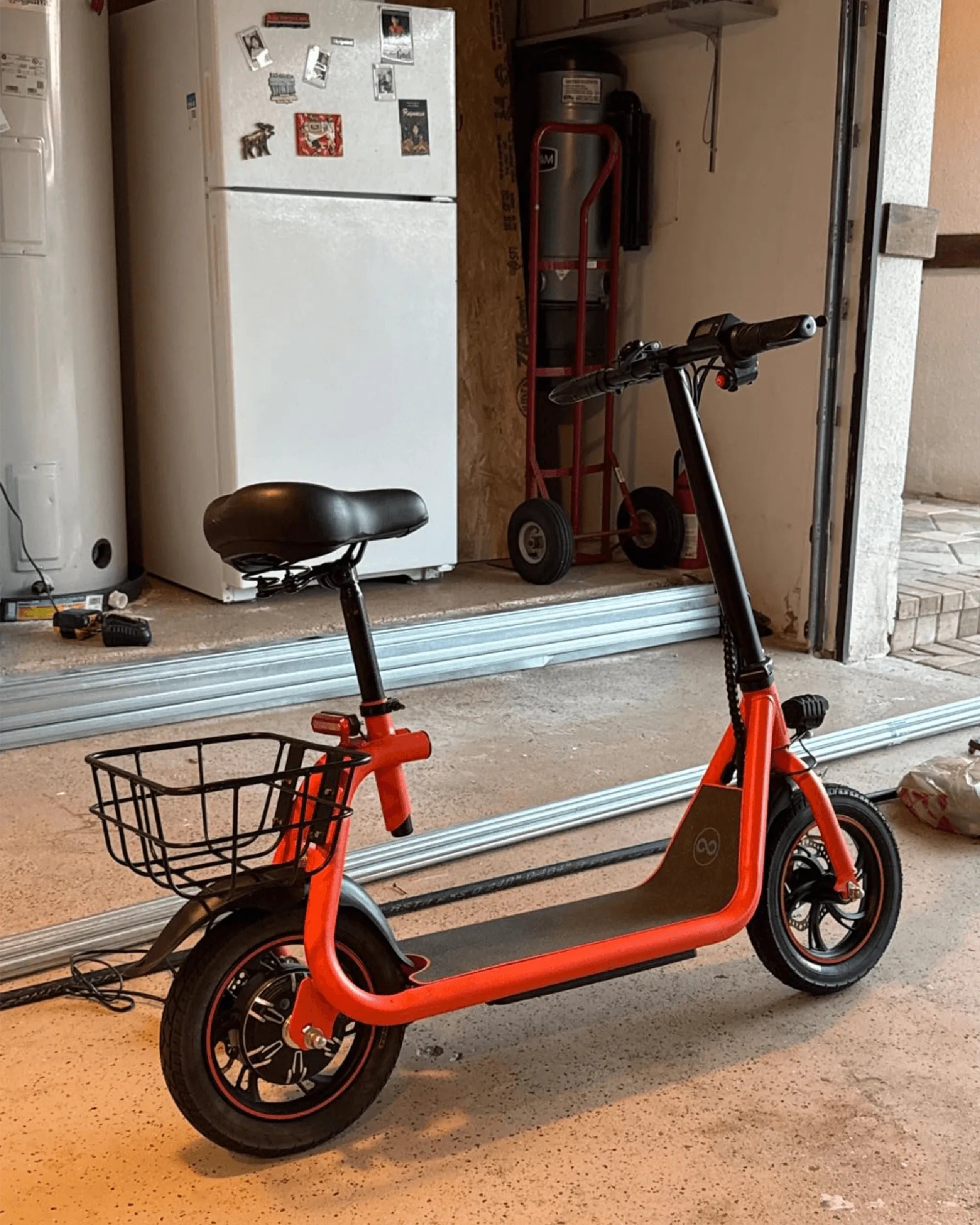
Introduction to Class 1 E-Bikes: The Pedal-Assist Mountain Revolution
The class 1 mountain e bike represents a fundamental shift in how riders experience the backcountry. Defined by a pedal-assist-only system with a motor that cuts off at 20 mph, it’s engineered to amplify human effort, not replace it. This category is engineered for those who love mountain biking but seek to conquer more challenging climbs, extend their range, and reduce fatigue. The core value of a class 1 e-MTB lies in its ability to maintain the authentic feel and handling of a traditional mountain bike while granting access to most non-motorized singletrack trails.
You will learn what defines this category, why its design principles make it the dominant choice for serious trail riders, and how to select a model that matches your ambitions. This guide breaks down the technology, performance characteristics, and responsible riding practices that define the class 1 mountain e bike experience. Understanding these elements is key to unlocking more trail time and less hike-a-bike drudgery.
Why Class 1 Dominates the Trails: Performance Meets Principle
The supremacy of the class 1 mountain e bike on singletrack is no accident. It is the result of a design philosophy that prioritizes integration with the rider and respect for trail ecosystems. The absence of a throttle forces a continuous pedaling input, which creates a more natural and intuitive riding feel. This direct connection between rider effort and motor output results in superior bike control, especially on technical, loose, or steep terrain where precise power modulation is critical.
From a performance standpoint, the efficient use of power in a class 1 system often translates to extended range. The motor only provides assistance proportional to your pedaling, conserving battery energy compared to throttle-controlled systems. This allows for longer adventures and more vertical feet climbed per charge. Furthermore, the class 1 mountain e bike has become the benchmark for trail access.
Land managers and trail associations widely permit these bikes on trails designated for traditional mountain biking. This universal acceptance is rooted in the understanding that they do not alter the fundamental, human-powered nature of the activity. Riding a class 1 e-MTB means joining the flow of trail traffic without the restrictions that apply to faster or throttle-equipped models, making it the most versatile and widely accepted type of electric mountain bike.
Anatomy of a Premium Class 1 Mountain E-Bike: What to Look For
Not all class 1 mountain e bikes are created equal. A premium model is defined by the synergy of its components, each chosen to handle the unique demands of assisted trail riding. The added weight and power of the system place higher stresses on the frame, suspension, and drivetrain. Therefore, every part must be purpose-built for durability and performance.
Selecting a bike with quality, integrated components from reputable manufacturers is the difference between a frustrating experience and a transformative one. A well-designed class 1 mountain e bike should feel like a cohesive extension of the rider, where the technology disappears into the background, leaving only the joy of the ride. The following sections detail the critical subsystems that define a top-tier machine.
The Heart: Motor and Pedal Assist System (PAS)
The motor is the defining component of any class 1 mountain e bike. For trail performance, a mid-drive motor is almost universally preferred. Positioned at the bike’s crank, it leverages the bicycle’s existing gears, allowing the motor to operate efficiently at a wider range of cadences and providing better weight distribution and ground clearance compared to hub motors.
Equally important is the Pedal Assist System (PAS). This sensor technology determines how naturally and instantly the motor responds to your pedaling. A high-quality system offers multiple support levels (e.g., Eco, Trail, Boost) with smooth, predictable power delivery. The best systems are nearly imperceptible in their engagement, providing a surge of power that feels like a strong tailwind rather than a robotic push.
The Lifeline: Battery Capacity and Integration
The battery is your adventure fuel tank. Capacity is measured in watt-hours (Wh), with common ranges from 500Wh to 750Wh for a class 1 mountain e bike. A higher Wh rating generally indicates a longer potential range, though terrain, rider weight, and assist level dramatically impact real-world results. Safety is paramount; insist on a battery with UL certification, a rigorous standard for fire and electrical safety that leading brands like Gyroor adhere to across their lineup.
Integration is also key. Modern premium e-MTBs feature batteries seamlessly housed within the downtube. This design protects the battery from impacts, improves the bike’s center of gravity for better handling, and maintains a sleek, traditional mountain bike aesthetic. Easy removal for charging or transport is a valuable feature found on many quality models.
Built for the Beatdown: Frame, Suspension, and Brakes
The frame of a class 1 mountain e bike must be engineered for higher torsional and impact loads. Aluminum remains the dominant material for its strength and value, while carbon fiber is used in high-end models for weight savings. Geometry is often specific to e-MTBs, with slightly longer wheelbases and slacker head angles for stability at speed.
Suspension and brakes are critical control points. With higher average speeds and more weight, robust suspension is non-negotiable. Travel should match your trail style: 120-140mm for trail/XC, 150-170mm for enduro. Similarly, powerful hydraulic disc brakes with large rotors (180mm to 220mm) are essential for consistent, fade-free stopping power on long descents.
Trail-Ready Durability: Tires, Drivetrain, and IP Rating
Every component must be toughened up. Aggressive, wide, tubeless-ready tires provide essential traction and puncture resistance for the added torque and weight. The drivetrain, particularly the chain and cassette, must be built to withstand the increased force from the motor; many e-MTBs use specific, hardened components.
Perhaps the most overlooked spec is the Ingress Protection (IP) rating. A class 1 mountain e bike is built for mud, water crossings, and dust. A rating of IPX5 or higher for the motor and battery system is crucial, ensuring protection against low-pressure water jets from any direction. This durability feature is a standard part of the design philosophy for reliable brands, ensuring the electrical systems survive the elements.
Choosing Your Class 1 Champion: A Rider-Focused Comparison
Selecting the right class 1 mountain e bike is less about finding the "best" bike and more about finding the best bike for you. Your riding style, local terrain, and goals should dictate the priorities. The following profiles help narrow the focus to the specifications that matter most for different types of riders. Use this framework to evaluate models and find your perfect trail partner.
The Trail Explorer: For Endurance and Climbing
This rider prioritizes big days in the saddle, linking loops, and conquering long fire road climbs to access epic descents. For the Trail Explorer, battery capacity is king. Look for a class 1 mountain e bike with a 625Wh or larger battery paired with an efficient mid-drive motor. Suspension travel in the 130-150mm range offers a blend of climbing efficiency and descending capability.
Geometry should be more balanced than ultra-slack, favoring a confident climbing position. Component weight can be a consideration, but not at the expense of durability. The goal is maximum miles and vertical gain per charge, opening up a new scale of backcountry exploration.
The Aggressive Descender: For Technical Terrain
This rider lives for the downhill, seeking out the most technical, steep, and rocky trails. For the Aggressive Descender, suspension performance and frame strength are the top priorities. A class 1 mountain e bike with 160-180mm of travel, a burly aluminum or carbon frame, and a very slack head angle will provide the stability and control needed for high-speed descents.
Brakes are critical; look for 4-piston calipers and 200mm+ rotors. The motor should have a powerful "Boost" mode for quick bursts to clear technical features or regain speed. Battery size, while important, may be secondary to outright chassis and suspension performance.
The Value-Conscious Adventurer: Entry to Mid-Level Performance
This rider seeks the core class 1 mountain e bike experience without the premium price tag. The key is to identify where a brand invests and where it saves. Prioritize non-negotiable safety and durability features: a UL-certified battery, a reliable mid-drive motor system, hydraulic disc brakes, and a solid suspension fork.
Compromises may come in component tier (e.g., a 10-speed vs. 12-speed drivetrain) or battery size (500Wh vs. 700Wh). A strong manufacturer's warranty and proven customer support are invaluable here. Brands like Gyroor, trusted by over 100,000 riders, build their reputation on delivering these core reliable features with a comprehensive 1-year warranty, making them a strong choice for this category.
Navigating the Rules of the Trail: Etiquette and Access for Class 1 Riders
With the privilege of trail access comes responsibility. Riding a class 1 mountain e bike requires heightened awareness and etiquette to ensure a positive experience for all trail users and to protect trail access for the future. The primary rule is simple: it is a pedal-assist-only vehicle. Using a throttle, if present on another bike class, is not permitted on non-motorized trails and undermines the trust that allows class 1 bikes access.
Always yield appropriately: to hikers and equestrians, and to uphill riders when you are descending. The increased speed and quiet approach of an e-MTB mean you must be extra vigilant and announce your presence politely. Manage your power and tire pressure to minimize trail erosion, especially on climbs. Avoid spinning the rear tire under power, which can break trail surface.
Finally, always verify local regulations. While class 1 acceptance is nearly universal, some local land managers or specific trail networks may have unique restrictions. It is the rider’s duty to know and follow these rules. Responsible riding is the best advocacy for preserving and expanding access for the entire class 1 mountain e bike community.
Class 1 Mountain E-Bike Comparison: Key Specifications at a Glance
The following table provides a clear overview of how key specifications align with different rider profiles and price points for a class 1 mountain e bike. This data-driven comparison helps highlight the trade-offs and priorities across the market.
| Rider Profile / Focus | Motor Power (Typical) | Battery Range (Wh) | Suspension Travel (Front/Rear) | Key Priority | Ideal Terrain |
|---|---|---|---|---|---|
| Trail Explorer | 250W - 85 Nm | 625Wh - 750Wh | 130mm - 150mm | Range & Efficiency | Long climbs, backcountry loops |
| Aggressive Descender | 250W - 90 Nm+ | 500Wh - 700Wh | 160mm - 180mm | Suspension & Brakes | Steep, technical downhill trails |
| Value-Conscious Adventurer | 250W - 75 Nm | 500Wh - 625Wh | 120mm - 140mm | Core Reliability & Warranty | Local singletrack, introductory trails |
Frequently Asked Questions (FAQs) for the Aspiring Class 1 Rider
Q1: How far can I really ride on a single charge with a Class 1 e-MTB?
Real-world range varies dramatically based on battery capacity (Wh), terrain, rider weight, assist level, and temperature. A rough estimate is 1,000 to 2,500 feet of climbing per 100Wh of battery. A 500Wh battery could deliver 20-50 miles on moderate terrain using mixed assist levels, but a day of big mountain climbing will consume it faster.
Q2: Is a Class 1 e-bike considered "cheating" in the mountain biking community?
Attitudes have evolved significantly. Most riders now see the class 1 mountain e bike as a tool that expands access and fun. It allows riders of different fitness levels to ride together, lets experienced riders do more laps, and helps those recovering from injury stay on the trail. The physical effort is still substantial; you are just going farther and higher per unit of effort.
Q3: Do I need a special license or registration to ride a Class 1 e-MTB?
In the vast majority of regions, no. A class 1 mountain e bike is legally defined as a bicycle in the US (under federal law and most state laws) and similarly in many other countries. It does not require a license, registration, or insurance. Always check your very local jurisdiction for any unique ordinances.
Q4: How does the maintenance compare to a regular mountain bike?
Maintenance intervals are often shorter due to increased stress on components. Chains, cassettes, and brake pads wear faster due to the higher torque and speeds. Tire sidewalls and suspension should be inspected regularly. The motor and battery systems themselves require little maintenance but should be kept clean and dry. Following the manufacturer's service schedule is crucial.
Q5: Can the pedal assist be turned off completely to ride it like a normal bike?
Yes, absolutely. Every class 1 mountain e bike allows you to select a zero-assist mode. You can pedal it like a traditional, albeit heavier, mountain bike. This is useful for conserving battery on long descents or flats, or if you simply want a more challenging workout on the way home.
The Future of the Climb: Concluding Thoughts on Class 1 E-MTBs
The class 1 mountain e bike is more than a trend; it is a transformative tool that is reshaping mountain biking. It democratizes the sport, allowing more people to experience the joy of high-alpine vistas and flowing singletrack. It enhances the experience for seasoned riders, turning epic days into legendary ones. By amplifying human effort while preserving the essential character of mountain biking, it represents a perfect synthesis of technology and tradition.
Choosing the right class 1 mountain e bike is an investment in adventure. Prioritize safety with UL-certified batteries, durability with high IP ratings and robust components, and support from a trusted brand with a proven track record. This ensures your machine is a reliable partner for years of trail exploration. The trails are calling, and the climb just got a lot more rewarding.
Ready to find your perfect trail partner? Explore a range of durable, well-engineered electric bikes designed for real-world adventure. Browse the full Gyroor collection at gyroorboard.com to discover models built with the safety, performance, and reliability that over 100,000 riders trust.
Coolster 50cc Dirt Bike Parts: The Complete Sourcing & Maintenance Guide
1500 Dirt Bike: The Ultimate Guide to High-Performance Electric Off-Roading