

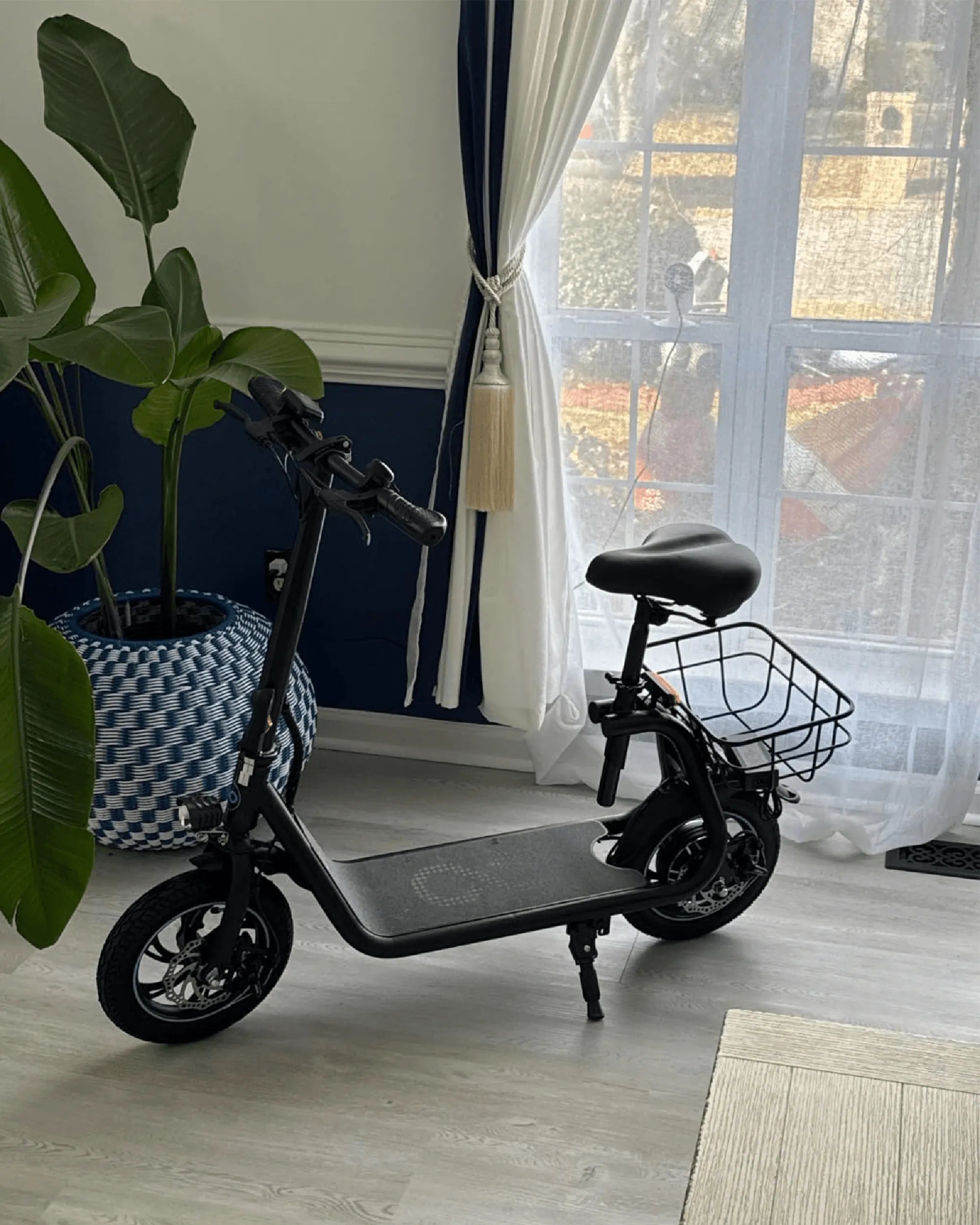
Introduction to Class B Scooters: Defining the Urban Workhorse
Navigating city streets demands a transportation solution that is efficient, reliable, and agile. Enter the Class B scooter, a category defined not by a universal legal code, but by a practical performance sweet spot. Typically, a Class B electric scooter refers to a model with a top speed between 15 and 20 mph (24-32 km/h) and a motor power in the 350W to 500W range. This positions it perfectly between slower, toy-like options and high-performance, license-required vehicles.
For the urban commuter, a Class B scooter is the intelligent middle ground. It offers enough speed to keep pace with city traffic flow, significantly reducing commute times compared to walking or a standard bicycle. Simultaneously, its manageable power and size make it less intimidating for new riders and more likely to be compliant with local micro-mobility regulations on bike paths and lanes. This article will dissect why the Class B scooter has become the go-to choice for practical urban mobility, what features to prioritize, and how to ride safely and legally.
Why Choose a Class B Scooter? The Sweet Spot for Urban Mobility
The primary appeal of a Class B scooter lies in its exceptional balance. It is engineered for the real-world conditions of daily commuting, errands, and last-mile connectivity. Unlike underpowered models that struggle on inclines, or overpowered ones that may be restricted on public pathways, a Class B scooter is designed for utility and accessibility.
This category delivers what most riders actually need: a dependable machine that can handle a 5-10 mile round-trip commute, fit on public transit or in an office corner, and provide a stable, confident ride. The Class B scooter isn't about extreme performance; it's about consistent, reliable transportation that integrates seamlessly into daily life. For over 100,000 riders across North America and Europe, this balance has proven to be the key to ditching car trips and embracing a more efficient way to move.
The Commuter's Advantage: Speed Meets Practicality
The 15-20 mph capability of a typical Class B scooter is its defining characteristic. This speed range is fast enough to make a tangible difference in travel time, often matching or exceeding average car speeds in dense urban traffic during rush hour. Yet, it remains slow enough to be safe for dedicated bike lanes and multi-use paths where higher speeds might be prohibited or dangerous.
This practical speed ceiling also contributes to rider confidence. New users can gradually build skills without being overwhelmed, while experienced riders appreciate the predictable, controlled power for navigating intersections and crowded streets. The Class B scooter's performance is tailored for the stop-and-go rhythm of city life, not for open-road cruising.
Range and Reliability for Daily Errands
Beyond speed, range is the other critical metric. A quality Class B scooter typically offers a real-world range of 15 to 25 miles on a single charge. This comfortably covers the vast majority of daily urban travel needs, including a round-trip commute, lunch runs, and evening errands, without triggering "range anxiety."
This reliability is directly tied to component quality. A scooter's range depends heavily on its battery pack's integrity and management system. Brands that prioritize safety, like Gyroor, use UL-certified battery packs tested for 500+ charge cycles. This certification is a benchmark for long-term reliability, ensuring the battery that powers your daily commute is built to last and perform consistently, charge after charge.
Key Features to Look for in a Quality Class B Scooter
Not all Class B scooters are created equal. The market is flooded with options, making it crucial to distinguish between marketing hype and genuine, durable engineering. Focusing on a few non-negotiable features will ensure your investment is safe, reliable, and enjoyable for years.
A high-quality Class B scooter is defined by its foundational components: the battery system, the braking mechanism, the frame construction, and the ride quality elements like tires and suspension. Compromising on these core areas to save on upfront cost often leads to higher long-term expenses and potential safety issues. The following checklist outlines the essentials for a trustworthy commuter partner.
Safety and Durability Non-Negotiables
Safety should be the foremost concern. First and foremost, insist on a UL-certified battery. This independent certification verifies the battery has passed rigorous tests for electrical, mechanical, and environmental safety, drastically reducing fire risk—a critical consideration for a device you'll charge at home or the office.
Second, look for a robust IP water-resistance rating. An IPX5 rating, for example, means the scooter can withstand water jets from any direction, making it safe to ride in light rain and through puddles. This is essential for all-weather commuting reliability. Finally, the braking system must be effective and responsive. A combination of a front electronic brake and a rear disc brake offers strong, controlled stopping power in various conditions.
Performance and Comfort Specifications
Performance in the Class B segment is about smooth, adequate power. A 350W to 500W motor provides enough torque for confident starts and the ability to handle moderate hills, which are common in many cities. This power band ensures the scooter feels zippy without being uncontrollable.
Comfort is dictated by the wheels and suspension. Air-filled (pneumatic) tires offer superior shock absorption compared to solid tires, providing a smoother ride over cracks and uneven pavement. Some models add a front or dual suspension system for even greater comfort. A wide, textured deck is also important for stable foot placement during longer rides. These features combine to reduce fatigue, making your Class B scooter a pleasure to ride daily.
Comparing Class B Scooters to Other Types
Understanding where a Class B scooter fits in the broader landscape helps clarify its unique value proposition. The table below compares it against common lower and higher performance categories.
| Feature | Class A / Lightweight | Class B (Focus) | Class C / High-Performance |
|---|---|---|---|
| Typical Top Speed | 10-15 mph | 15-20 mph | 25+ mph |
| Motor Power | 250W-350W | 350W-500W | 500W-1000W+ |
| Best Use Case | Short trips, flat terrain, teens | Daily urban commuting, errands | Long-distance, steep hills, enthusiasts |
| Portability | Very High (Lightweight) | High (Moderate weight) | Low (Heavy, bulky) |
| Regulatory Friendliness | High | High (Fits most bike lane laws) | Low (May require license, road use only) |
| Price Range | Lower | Mid-Range | Premium |
As the table illustrates, the Class B scooter occupies the strategic center. It sacrifices the extreme portability of the lightest models for meaningful performance gains and trades the raw speed of high-performance models for greater practicality, lighter weight, and better regulatory compliance. For the purpose of efficient, daily urban transportation, this balance is why the Class B scooter is often the most rational choice.
Gyroor's Commitment: Engineering Trust into Every Class B Ride
Choosing a brand matters as much as choosing a category. Gyroor has built its reputation by embedding core principles of safety, durability, and support directly into its engineering philosophy, particularly for its commuter-focused Class B scooter models. This approach transforms a generic purchase into a long-term investment in reliable mobility.
With a trusted community of over 100,000 riders, Gyroor's focus extends beyond selling a product to fostering confidence on every ride. This is achieved not through vague promises, but through transparent, certified standards and tangible support structures that protect the rider from day one through years of use.
Built with Certified Safety: UL Battery & IPX5 Protection
The heart of any electric scooter is its battery. Gyroor eliminates guesswork and risk by exclusively using UL-certified battery packs in its models. This certification is a voluntary, rigorous process that few brands undertake, involving stress tests far beyond normal operation. It is the single most important indicator of a safe, long-lasting battery that will deliver consistent range through its 500+ cycle lifespan.
Complementing this is the IPX5 water-resistant design. This engineering standard ensures critical electrical components are sealed against dust and low-pressure water jets. For a commuter, this means you won't be stranded by a sudden rain shower or a wet street. The scooter is built to handle the realities of everyday use, providing peace of mind that your Class B scooter is a dependable tool, not a fair-weather toy.
Supported by Confidence: The 1-Year Warranty Promise
True quality is backed by strong warranties. Gyroor supports its Class B scooters with a comprehensive 1-year warranty that covers the frame, motor, battery, and controller against manufacturing defects. This warranty is a testament to the confidence in their build quality and component sourcing.
More than just a document, this promise is backed by accessible, US-based customer support. Whether it's a troubleshooting question, a need for a genuine replacement part, or warranty service, riders have a direct line to experts. This support network ensures that your Class B scooter remains operational and enjoyable, protecting your investment long after the initial purchase.
Navigating Local Regulations: Where Can You Ride a Class B Scooter?
One of the most critical, and often confusing, aspects of e-scooter ownership is understanding the law. It is imperative to note that the term "Class B" used here is a performance and marketing category, not a universal legal classification. Laws governing electric scooters vary dramatically by country, state, and even city.
Ignorance of local laws is not a defense and can result in fines or confiscation. Therefore, the responsible rider must take proactive steps to understand and adhere to the rules of their specific jurisdiction. This section provides a framework for your research and outlines universal best practices for responsible riding.
Understanding "Class" Systems and Your Local Laws
Before riding, you must research your local regulations. Start by searching for "electric scooter laws" along with your city and state names. Key legal points to clarify include: Maximum Allowable Speed: Many cities cap e-scooter speed on bike paths at 15 or 20 mph, which aligns perfectly with a Class B scooter's capabilities. Helmet Laws: Regulations often require helmets for all riders, or for riders under a certain age. Wearing one is always recommended. Where to Ride: Rules typically permit riding in bike lanes and on streets with speed limits under a certain threshold (e.g., 25 mph). Riding on sidewalks is almost always prohibited. Age, License, and Registration: Most areas do not require a driver's license for e-scooters, but some have a minimum age (often 16). Registration is rarely required.
By choosing a Class B scooter, you are already selecting a vehicle likely to be compliant with speed-centric laws. However, confirming all other local requirements is your responsibility as a rider.
Responsible Riding Practices
Beyond the letter of the law, adopting safe riding etiquette ensures your safety and positive relations with pedestrians and other road users. Always wear a helmet—it is the most effective single piece of safety gear. Use bike lanes whenever they are available and safe to do so. When in the street, ride predictably, signal your intentions, and obey all traffic signals.
Never ride on sidewalks, as this endangers pedestrians. Be mindful of your speed, especially in crowded areas or when approaching intersections. When parking, ensure your Class B scooter does not block pedestrian pathways, building access, or disabled access ramps. Using a lock is also essential to prevent theft. These practices cement the scooter's role as a legitimate, respectful form of urban transit.
Frequently Asked Questions (FAQ)
Q: What is the real-world range of a Class B scooter, and what affects it?
A: A quality Class B scooter typically achieves 15-25 miles per charge in real-world conditions. Actual range is affected by rider weight, terrain (hills reduce range), temperature (cold weather reduces battery efficiency), tire pressure, and riding style (frequent acceleration and high speeds consume more power). Proper battery maintenance, like avoiding full discharges, helps preserve long-term range.
Q: Do I need a license or registration to ride a Class B scooter?
A> In the vast majority of cities in the United States and Canada, you do not need a driver's license or vehicle registration to operate an electric scooter. However, some jurisdictions may have a minimum age requirement (often 16 or 18). It is absolutely essential to check the specific laws in your city and state, as they are subject to change and can vary widely.
Q: How does the 1-year warranty work for the battery and motor?
A> Gyroor's 1-year warranty covers the battery, motor, and other core components against defects in materials or workmanship. For the UL-certified battery, this means it should hold a charge and deliver power as specified. The warranty is typically activated upon registration of the product and requires the owner to contact customer support to initiate a claim, which may involve troubleshooting, part replacement, or repair.
Q: Can a Class B scooter handle hills and mild inclines?
A> Yes, a Class B scooter with a 350W-500W motor is generally capable of handling mild to moderate hills commonly found in urban environments. The scooter will slow down on an incline, but a quality motor will maintain a steady climb. For very steep or prolonged hills, a more powerful motor (Class C) might be preferable, but for typical city geography, a Class B scooter is adequately equipped.
Q: Is a Class B scooter suitable for riders of all experience levels?
A> Absolutely. The Class B scooter is an excellent choice for both beginners and experienced riders. Its manageable power and speed allow new riders to learn confidently in a controlled environment, such as an empty parking lot, before tackling busier streets. For experienced riders, it offers a perfect blend of efficiency and practicality for daily tasks without the excessive weight or legal complications of higher-performance models.
Finding Your Ideal Urban Companion
The Class B scooter stands out as the most pragmatic solution for modern urban mobility. It delivers the essential combination of adequate speed for efficiency, sufficient range for daily needs, and a portable form factor for multi-modal travel. By focusing on certified safety features like UL-approved batteries and IPX5 water resistance, riders can invest in a vehicle that is both reliable and durable.
Success with a Class B scooter hinges on two factors: choosing a reputable brand that stands behind its product with strong warranties and support, and committing to being a informed, lawful rider. When these elements align, the Class B scooter transforms from a simple gadget into a true urban companion, reducing commute stress, saving money, and contributing to a cleaner urban environment. The journey toward smarter transportation starts with choosing the right tool for the job.
Ready to experience the perfect balance of performance and practicality? Explore Gyroor's range of meticulously engineered electric scooters, designed with UL-certified safety, all-weather durability, and rider confidence at their core. Browse the full Gyroor collection at gyroorboard.com to find your ideal Class B scooter and join a community of over 100,000 satisfied riders.
Electric Scooter Cost: The Complete Guide to Pricing, Value & Ownership
3 Wheel Mobility Scooter for Adults UK: Your Guide to Enhanced Independence