

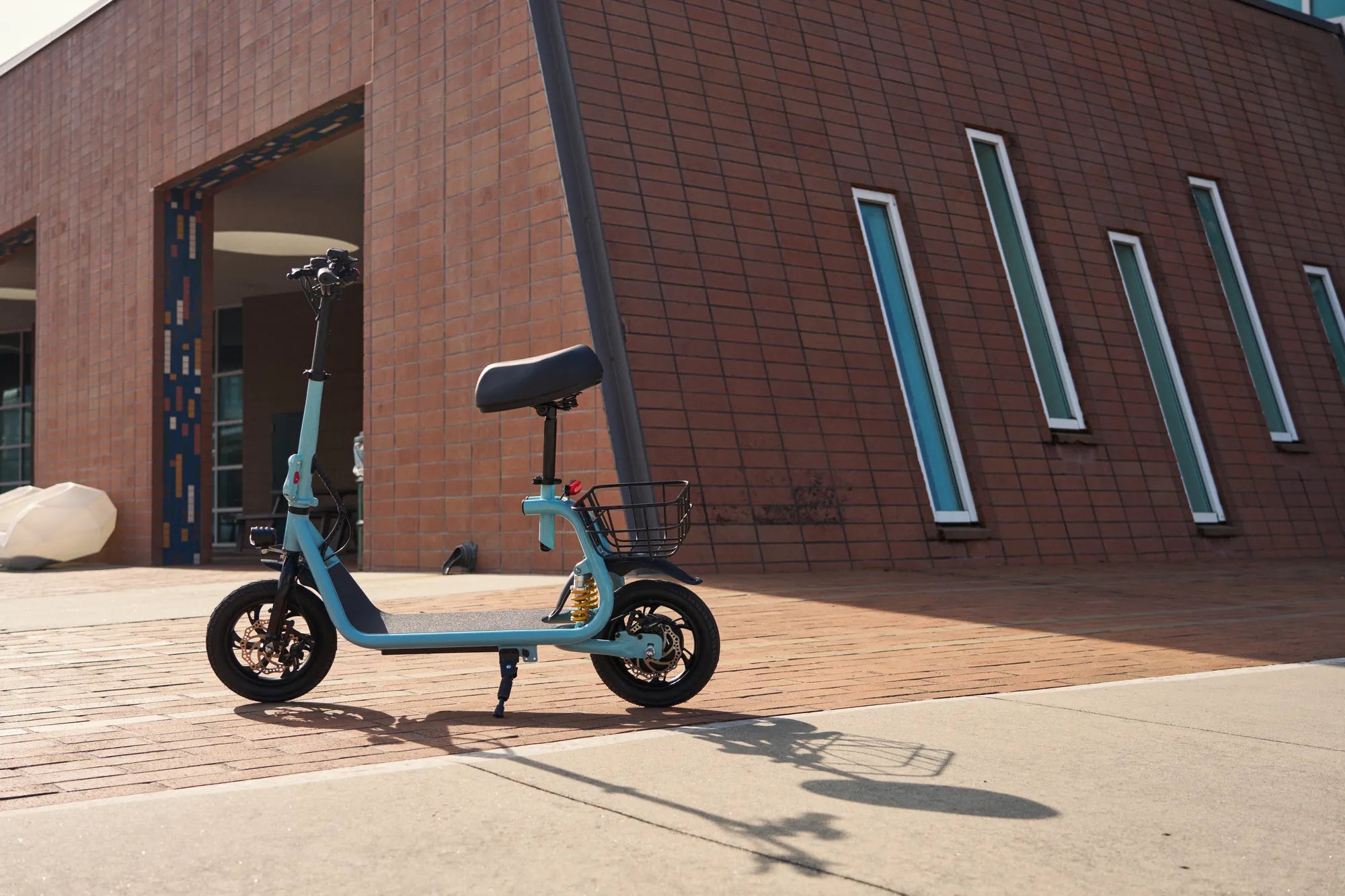
Are you ready to revolutionize your commute or weekend adventures with a Class I ebike? These pedal-assist electric bikes are gaining popularity for their balance of power, efficiency, and accessibility. Whether you're a seasoned cyclist or a beginner, understanding the ins and outs of Class I ebikes will help you make the best choice for your needs.
What Is a Class I Ebike?
A Class I ebike is a type of electric bicycle equipped with a motor that provides assistance only when the rider is pedaling. The motor stops assisting once the bike reaches a speed of 20 mph (32 km/h). Unlike other classes, Class I ebikes do not have a throttle, meaning the rider must pedal to engage the motor. This makes them a popular choice for those who want a natural cycling experience with a little extra boost.
Key Features of Class I Ebikes
Class I ebikes come with several distinguishing features that set them apart from other electric bike classes:
- Pedal-Assist Only: The motor only engages when the rider is pedaling, providing a seamless and intuitive riding experience.
- 20 mph Speed Limit: The motor assistance cuts off once the bike reaches 20 mph, ensuring compliance with many local regulations.
- No Throttle: Unlike Class II ebikes, Class I models do not include a throttle, requiring pedaling for motor engagement.
- Lightweight Design: Many Class I ebikes are designed to be lighter than their Class II and III counterparts, making them easier to handle and transport.
Benefits of Choosing a Class I Ebike
There are numerous advantages to opting for a Class I ebike, whether for commuting, recreation, or fitness:
- Eco-Friendly Transportation: Reduce your carbon footprint by replacing car trips with an electric bike.
- Improved Fitness: Since you must pedal to engage the motor, Class I ebikes encourage physical activity while providing assistance on hills or long distances.
- Accessibility: These bikes are ideal for riders of all ages and fitness levels, offering a gentle introduction to cycling.
- Regulatory Compliance: Class I ebikes are often allowed on bike paths and trails where other classes may be restricted.
How Class I Ebikes Compare to Other Classes
Understanding the differences between Class I, Class II, and Class III ebikes is crucial when making a purchase decision:
| Feature | Class I | Class II | Class III |
|---|---|---|---|
| Motor Activation | Pedal-Assist Only | Pedal-Assist + Throttle | Pedal-Assist Only |
| Speed Limit | 20 mph | 20 mph | 28 mph |
| Throttle | No | Yes | No |
Choosing the Right Class I Ebike for You
When selecting a Class I ebike, consider the following factors to ensure it meets your needs:
- Intended Use: Will you be commuting, touring, or riding for leisure? Choose a bike designed for your primary activity.
- Battery Life: Look for a model with a battery that supports your typical riding distance.
- Frame Design: Ensure the bike's frame is comfortable and suits your body type.
- Local Regulations: Verify that Class I ebikes are permitted on your preferred routes and trails.
Maintenance Tips for Class I Ebikes
To keep your Class I ebike in top condition, follow these maintenance tips:
- Regular Cleaning: Dirt and debris can affect performance, so clean your bike after rides in muddy or wet conditions.
- Battery Care: Store the battery in a cool, dry place and avoid letting it fully discharge.
- Tire Pressure: Check tire pressure regularly to ensure a smooth and efficient ride.
- Professional Servicing: Schedule annual tune-ups with a qualified technician to address any mechanical issues.
Ready to experience the perfect blend of pedal power and electric assistance? A Class I ebike offers a versatile, eco-friendly, and enjoyable way to explore your world. Whether you're tackling daily commutes or weekend adventures, this guide ensures you'll find the ideal ride to match your lifestyle.
E Bike P Settings: Unlocking the Full Potential of Your Electric Ride
Women's Pink Dirt Bike: The Ultimate Guide to Style and Performance