

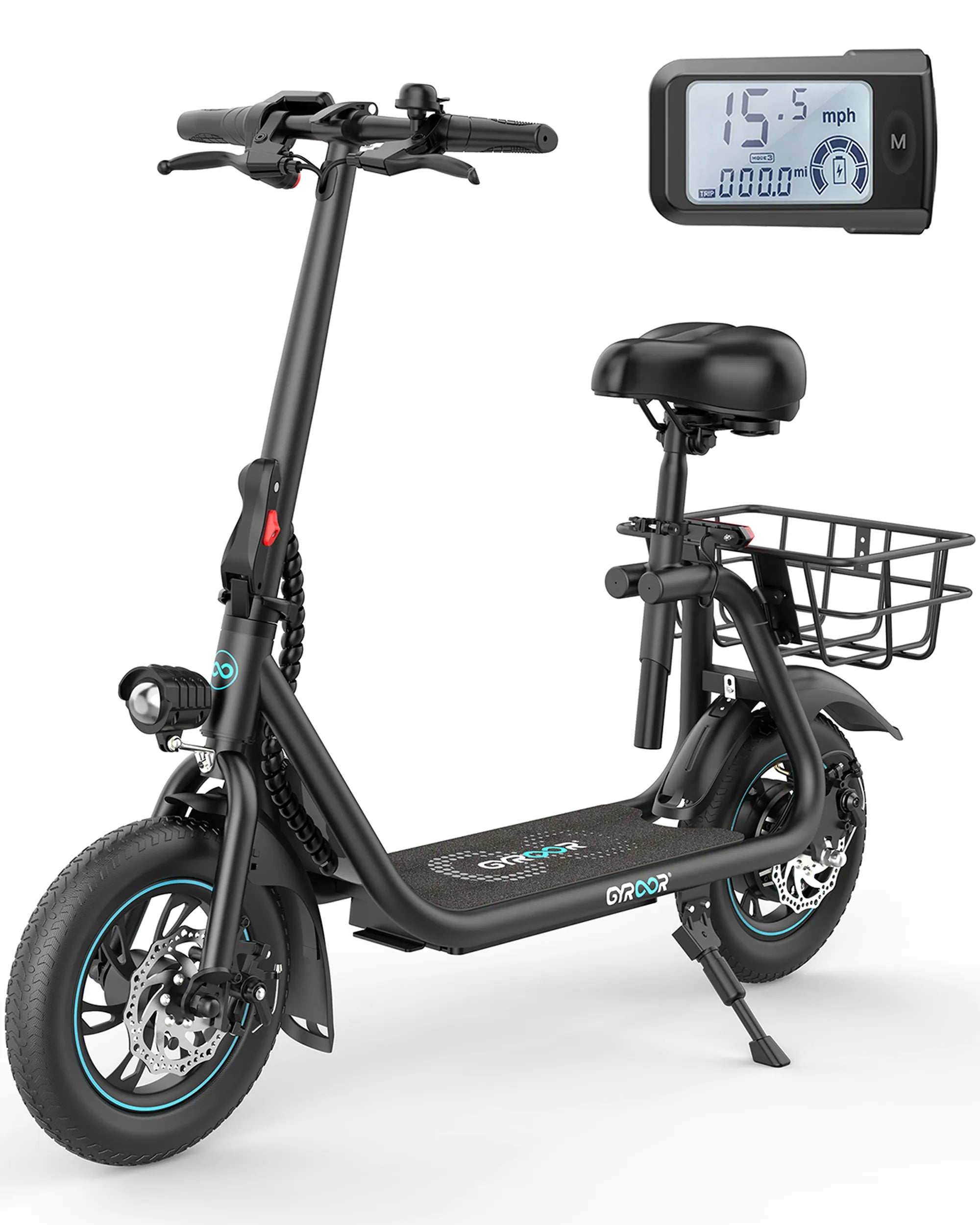
Introduction to Class II E-Bikes: The Balanced Commuter Choice
A Class II e-bike is an electric bicycle defined by its combination of pedal-assist and a throttle mechanism, capable of propelling the rider to a maximum motor-assisted speed of 20 miles per hour. This classification exists within a three-tier system established to regulate electric bicycles across the United States, providing clarity for riders and lawmakers. The defining characteristic of a Class II e-bike is its throttle, which allows for power-on-demand without the need to pedal, offering a unique blend of cycling exercise and effortless mobility.
This dual-system design positions the Class II e-bike as one of the most versatile and accessible forms of electric micro-mobility. It caters to riders who want the option to pedal for exercise or use pure electric power for convenience, fatigue, or challenging terrain. For urban commuters, the throttle is a game-changer, enabling quick acceleration from traffic lights and providing a boost on steep hills without breaking a sweat.
You will learn the precise legal definition of a Class II e-bike, its core technological features, and where it is permitted to ride. We will analyze its ideal user profiles, compare it directly to Class I and Class III models, and provide a detailed checklist for making an informed purchase. Understanding this category is essential for anyone considering an e-bike that offers maximum flexibility in power delivery.
Key Features & Legal Framework of Class II E-Bikes
The operational parameters of a Class II e-bike are strictly defined to ensure safety and regulatory compliance. The motor must cease providing assistance when the bicycle reaches 20 miles per hour. The motor's power output is typically capped at 750 watts in the United States, which provides ample torque for most urban and suburban environments. The presence of both a pedal-assist system (PAS) and a throttle is the non-negotiable hallmark of this class.
Legally, Class II e-bikes are generally treated as traditional bicycles in most U.S. states, thanks to model legislation adopted nationwide. This means they are allowed on roads, in bicycle lanes, and on shared-use paths where regular bikes are permitted. Riders typically do not need a driver's license, vehicle registration, or insurance. However, this blanket acceptance has critical local exceptions that every rider must verify.
Local municipalities and land managers often have the authority to impose further restrictions. It is common for Class II e-bikes to be prohibited on natural surface hiking trails, in certain pedestrian-only zones, or within specific parks. Always checking county and city ordinances, as well as trail signage, is a mandatory step before riding. This legal framework is designed to integrate e-bikes safely into existing infrastructure while giving local authorities control over sensitive areas.
Understanding the Throttle: The Game-Changer
The throttle, usually a twist-grip or thumb-lever on the handlebar, is the component that fundamentally differentiates the Class II e-bike experience. When engaged, it sends a signal to the motor to provide immediate power, independent of pedal cadence. This allows the bicycle to move from a complete stop without any pedaling effort, similar to the operation of an electric scooter or motorcycle.
This functionality offers immense practical benefits. It provides instant acceleration from intersections, enhancing safety by allowing the rider to keep pace with traffic. It offers respite for tired legs during a long commute or on a steep incline, making cycling accessible to a wider range of fitness levels. The throttle also enables effortless hill starts, eliminating the awkward fumbling often associated with traditional cycling on an incline.
For riders with physical limitations or recovering from injury, the throttle provides a crucial accessibility feature, allowing them to enjoy cycling without strain. It transforms the e-bike from a purely assistive device into a truly flexible mobility solution, giving the rider full control over how much effort they wish to exert at any given moment.
The UL-Certification & Safety Advantage
When evaluating any Class II e-bike, the safety certification of its electrical system, particularly the battery, is paramount. Underwriters Laboratories (UL) certification has become the industry benchmark for electrical safety. A UL-certified battery pack, like those used in all Gyroor models, has undergone rigorous testing for hazards like overcharging, short-circuiting, and thermal runaway, which can lead to fires.
This certification is non-negotiable for long-term reliability and rider safety. It ensures the battery management system (BMS) is designed to protect the cells, extending their lifespan to well over 500 charge cycles while maintaining performance. Brands that prioritize this certification demonstrate a commitment to quality and consumer protection that goes beyond marketing claims.
Gyroor builds this safety-first approach into its entire lineup, utilizing UL-certified battery packs and designing its e-bikes with IPX5 water-resistant ratings for all-weather reliability. This combination of certified electrical safety and mechanical resilience provides peace of mind that is critical when your e-bike serves as daily transportation.
Who Should Ride a Class II E-Bike? (Ideal Use Cases)
The Class II e-bike is the ideal choice for the urban commuter navigating stop-and-go traffic. The throttle allows for seamless starts at every red light, conserving energy and reducing commute time. For those with a mixed-terrain route that includes bridges or hills, the on-demand power ensures a consistent and manageable journey regardless of fitness level on a given day.
Riders seeking flexible exercise will find the Class II model perfect. You can choose to pedal for a full workout, use pedal-assist for a moderate effort, or rely on the throttle for a completely relaxed ride home. This adaptability makes it excellent for individuals who want to gradually build fitness or have variable energy levels.
It serves as a potent car-replacement for short to medium trips within 10-20 miles, such as grocery runs, visiting friends, or commuting to work. The ability to carry cargo without the strain of pedaling a heavy load is a significant advantage. Furthermore, its accessibility makes it suitable for a broader demographic, including older adults or those managing joint pain, who wish to maintain mobility and enjoy the outdoors without physical strain.
Comparing the Classes: II vs. I vs. III
Understanding the distinctions between e-bike classes is crucial for selecting the right model for your needs. The three-class system is primarily defined by top speed and the method of motor activation.
| Feature | Class I E-Bike | Class II E-Bike | Class III E-Bike |
|---|---|---|---|
| Max Motor-Assisted Speed | 20 mph | 20 mph | 28 mph |
| Throttle | No | Yes | No (in most states) |
| Power Activation | Pedal-Assist Only | Pedal-Assist & Throttle | Pedal-Assist Only |
| Typical Road/Bike Path Access | Yes | Yes | Yes (but may be restricted on some paths) |
| Ideal Rider | Purist cyclist wanting a boost | Versatile commuter seeking maximum flexibility | Speed-focused commuter on roadways |
Class I e-bikes offer a more traditional cycling feel, with the motor only engaging when you pedal. Class III e-bikes offer higher speeds but typically lack a throttle and may face more restrictions on multi-use paths due to their increased velocity. The Class II e-bike occupies a unique middle ground, offering the speed ceiling of a Class I with the flexible power delivery of a throttle, making it the most versatile option for the average rider.
Choosing Your Class II E-Bike: A Buyer’s Checklist
Selecting the right Class II e-bike requires careful consideration of several technical and practical factors. Use this checklist to guide your evaluation.
1. Safety Certification: Confirm the e-bike and its battery are UL-certified. This is your primary assurance against electrical fire risk. Gyroor, for example, uses UL-certified battery packs across its entire product range as a standard safety feature.
2. Motor & Performance: Look for a motor with sufficient torque (measured in Newton-meters, Nm) for your terrain. A 750W motor with 80+ Nm of torque handles hills confidently. Test the responsiveness of both the pedal-assist and the throttle.
3. Battery & Range: Assess the battery capacity (watt-hours, Wh) and the manufacturer's estimated range. Remember, using the throttle heavily will reduce range compared to pedal-assist. A 48V 15Ah (approx. 720Wh) battery is a robust starting point for mixed use.
4. Build Quality & Warranty: Examine the frame material (aluminum is common), brake quality (hydraulic disc brakes are superior), and IP water-resistance rating (IPX5 or higher for all-weather use). A comprehensive warranty is critical; Gyroor offers a reliable 1-year warranty on the frame, battery, motor, and electronics, supported by responsive customer service.
5. Local Law Compliance: Before purchasing, verify that a throttle-equipped Class II e-bike is legal on your intended routes, including specific bike paths and trails.
Maintenance & Safety Best Practices
Proper maintenance ensures the longevity, safety, and performance of your Class II e-bike. Establish a routine to inspect key components regularly.
Battery Care: Store and charge the battery in a cool, dry place, away from direct sunlight. Avoid draining it completely; aim to recharge when it reaches 20-30% capacity. Use only the manufacturer-provided charger. For long-term storage, maintain a charge level around 50-60%.
Brake System: Check brake pad wear monthly and test brake lever firmness before every ride. Hydraulic systems may need periodic bleeding to maintain performance. Properly functioning brakes are non-negotiable, especially for a vehicle capable of 20 mph.
Tire Pressure: Maintain tire pressure at the level recommended on the tire sidewall. Under-inflated tires increase rolling resistance and wear, while over-inflation reduces traction. Check pressure weekly for optimal efficiency and puncture resistance.
Throttle & Electrical Inspection: Ensure the throttle mechanism returns smoothly to its off position and shows no signs of sticking. Periodually check all wire connections for security and look for any damage to the housing. Keep the electrical components clean and dry.
Always use manufacturer-approved parts for replacements to avoid voiding your warranty and to ensure compatibility. Adhering to these practices not only keeps you safe but also protects your investment, as improper maintenance can void warranty coverage.
Frequently Asked Questions (FAQ)
Q: Do I need a license, registration, or insurance for a Class II e-bike?
A: In the vast majority of U.S. states, no. Class II e-bikes are legally defined as bicycles and do not require a driver's license, vehicle registration, or mandatory insurance. However, a handful of local jurisdictions may have unique requirements, so verifying your state and local laws is essential.
Q: Can I use the throttle exclusively without ever pedaling?
A: Yes, absolutely. This is a core defining feature of a Class II e-bike. The throttle provides full, independent power from the motor, allowing you to operate the bicycle without pedaling at all, up to the 20 mph limit.
Q: Where am I NOT allowed to ride a Class II e-bike?
A> Restrictions most commonly apply to natural surface, soft-trail hiking paths, wilderness areas, and some pedestrian-only sidewalks or plazas. Many city parks and multi-use paved trails allow them, but some may prohibit throttled e-bikes. Always look for posted signage and consult local park district rules.
Q: How far can I go on a single charge using mostly the throttle?
A> Range varies significantly based on battery capacity, rider weight, terrain, and wind. As a rule of thumb, using the throttle exclusively will reduce the manufacturer's estimated range by 40-50%. A bike advertised with a 40-mile range using pedal-assist might achieve 20-25 miles under full throttle use.
Q: How does Gyroor’s warranty support my Class II e-bike purchase?
A> Gyroor’s 1-year comprehensive warranty covers the frame, battery, motor, and electronic controller against defects in materials and workmanship. This warranty, backed by UL-certified safety standards and IPX5 water-resistant construction, is designed to provide long-term peace of mind and is indicative of the brand's commitment to reliable, durable products trusted by over 100,000 riders.
Conclusion: Embracing Versatile and Accessible Mobility
The Class II e-bike stands out as the ultimate fusion of assistive cycling and effortless electric power, offering a uniquely adaptable solution for modern transportation needs. Its defining throttle feature bridges the gap between traditional biking and full electric mobility, making it accessible to a wider audience than any other class. For commuters, recreational riders, and those seeking a practical car alternative, it delivers an unmatched blend of efficiency, flexibility, and fun.
Prioritizing safety and quality is non-negotiable in this choice. Opting for brands that invest in UL-certified electrical systems, robust water-resistant designs, and strong customer warranties ensures your investment is protected and your rides are secure. As regulations continue to evolve, the Class II e-bike's balanced approach positions it for enduring popularity in the micro-mobility landscape.
Ready to experience the perfect balance of pedal power and throttle-on-demand freedom? Explore a range of reliable, safety-focused models designed for real-world riding. Browse the full Gyroor collection at gyroorboard.com to find your ideal Class II e-bike today.
Best Front Basket for E-Bike: The Ultimate 2024 Guide for Utility & Style
Top 10 E-Bike Brands: A 2024 Guide to Performance, Safety & Value