



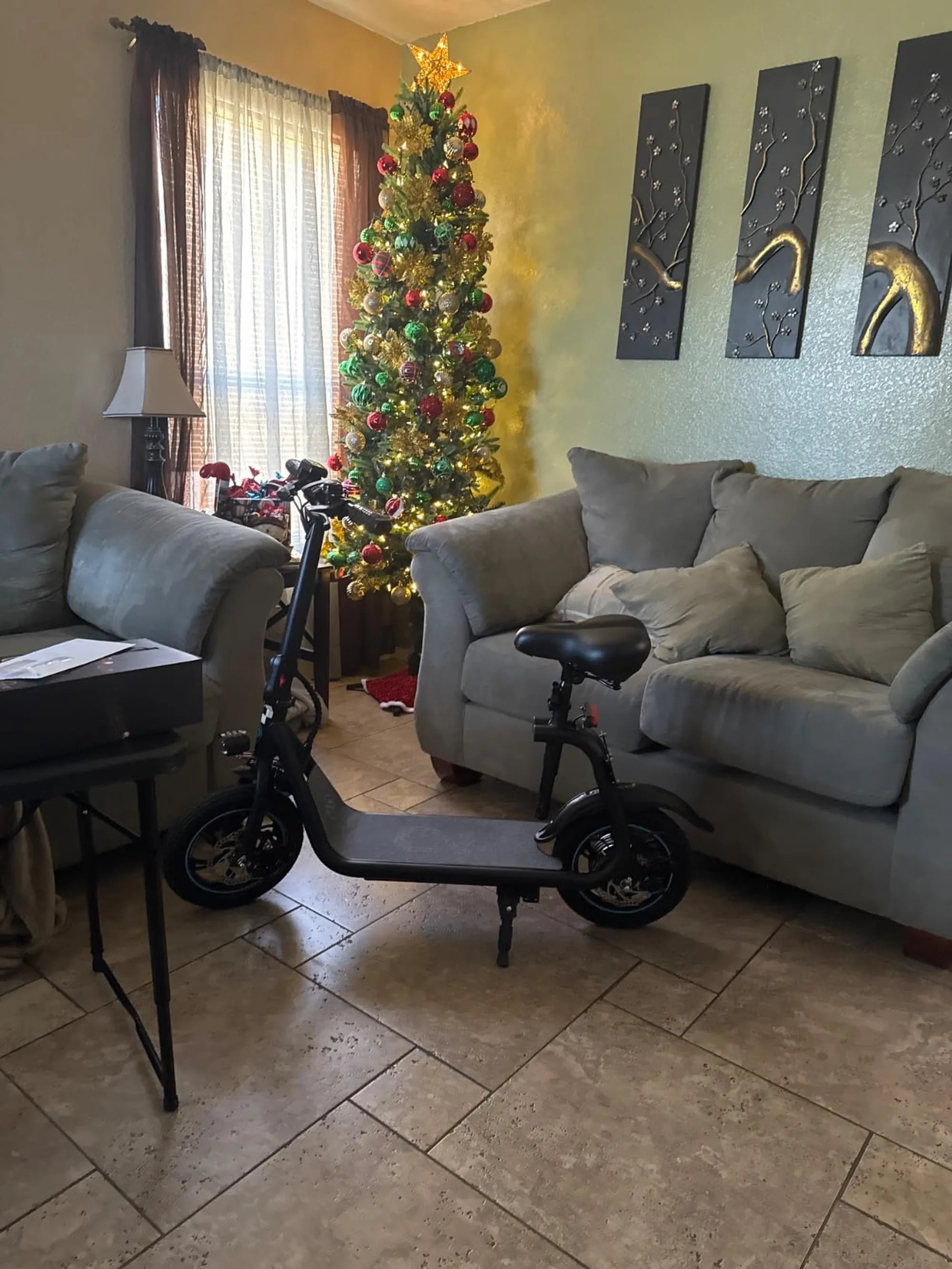
A Class 3 e-bike is the express lane of personal electric mobility, designed for riders who need to cover serious ground quickly and efficiently. Defined by a pedal-assist system that propels you up to 28 miles per hour, this category bridges the gap between casual cycling and motor vehicle speeds, making it a potent tool for replacing car trips. This guide will dissect the performance, legality, and practical ownership of a class three e bike, providing the data-driven insights you need to decide if this high-speed electric bicycle is the right upgrade for your commute, fitness, or adventure.
Introduction to Class 3 E-Bikes: Speed, Legality, and Practicality
In the United States, e-bikes are categorized into three primary classes. A Class 3 e-bike, often called a speed pedelec, is a pedal-assist only bicycle with a maximum assisted speed of 28 mph. It does not have a throttle that can propel the bike without pedaling—this is a key distinction from Class 2 models. The core appeal is undeniable: the ability to maintain an average speed that dramatically reduces urban commute times, conquers hills with ease, and integrates more safely with city traffic flow.
However, this increased capability comes with greater responsibility and specific legal frameworks. Understanding these rules is not optional; it's foundational to safe and lawful operation. The allure of a class three e bike is its practicality, but that practicality is contingent on adhering to regulations designed for higher-speed vehicles.
Riders must be aware that laws governing Class 3 e-bikes vary significantly by state and even municipality. Common restrictions include a minimum operator age (often 16 or older) and a mandatory helmet requirement for all riders. Furthermore, access to bicycle paths and trails may be prohibited or limited due to the higher speed potential.
For the urban commuter looking to travel 10-20 miles each way, a Class 3 e-bike transforms the journey from a strenuous workout into a swift, sweat-managed, and highly efficient trip. It represents a serious investment in personal mobility, demanding a corresponding investment in knowledge about its operation and the legal landscape.
Key Features and Benefits of a Class 3 E-Bike
The primary benefit of a class three e bike is transformative speed and efficiency. By boosting your pedaling effort up to 28 mph, these e-bikes can cut a typical 30-minute commute in half. This makes them a viable alternative to cars for distances where a traditional bicycle or slower e-bike might feel too slow. The time savings compound daily, offering a significant quality-of-life improvement.
Beyond raw speed, the powerful motor provides exceptional hill-climbing ability. Steep inclines that would force a rider to dismount or arrive drenched in sweat become manageable, even enjoyable. This expanded range of terrain makes cities with varied topography far more accessible, effectively flattening hills and extending your practical riding radius.
Another critical advantage is improved safety in traffic. The ability to accelerate quickly from stops and maintain a speed closer to the flow of urban traffic (often 25-30 mph) reduces the speed differential between you and cars. This can minimize dangerous passing maneuvers and help you claim your space on the road more confidently, though it also necessitates heightened awareness.
It's essential to reiterate that Class 3 e-bikes are pedal-assist only. This means you must be pedaling to receive motor assistance. This design promotes physical activity, provides a more intuitive and bicycle-like riding experience, and is a key factor in their legal classification. The motor amplifies your effort, making you feel superhuman on hills and sprints, without removing the core cycling experience.
Motor Power and Performance: What to Expect
To reliably and safely achieve 28 mph, Class 3 e-bikes are equipped with robust motors, typically ranging from 500W to 750W or more. Wattage alone isn't the full story; torque, measured in Newton-meters (Nm), is equally important. High torque (e.g., 80 Nm or more) is what delivers the instant, powerful feeling of acceleration from a stop and the grunt needed for steep hills.
A quality mid-drive motor, which powers the bike's chainring, is often preferred for Class 3 performance. It leverages the bicycle's gears, allowing the motor to operate efficiently at a wider range of speeds and providing superior hill-climbing torque. Hub motors can also be effective but may feel less natural under high-power delivery.
The performance feel should be smooth and predictable. Jerky power delivery at high speed is not just unpleasant—it can be hazardous. Brands that invest in refined motor tuning, like Gyroor, ensure that the transition between assist levels is seamless, providing confidence whether you're cruising at 20 mph or pushing to the 28 mph limit.
Durability under sustained high-power output is non-negotiable. A motor designed for casual use may overheat or fail prematurely when consistently used at the upper limits of Class 3 performance. Look for motors from established manufacturers with a reputation for reliability in demanding conditions.
Battery Range and Efficiency at Higher Speeds
Range is the most common question for any e-bike, and it becomes more complex with a Class 3 model. Aerodynamic drag increases exponentially with speed. Therefore, riding consistently at 28 mph will consume battery energy significantly faster than cruising at 15-20 mph. A battery that provides 50 miles of range at moderate assist might only deliver 20-30 miles at maximum speed and assist.
Battery capacity, measured in Watt-hours (Wh), is the key metric. For serious Class 3 commuting, look for batteries with 500Wh or more. A 672Wh or 750Wh battery provides a comfortable buffer for high-speed rides, ensuring you won't be stranded with a dead battery on your way home. The integration of high-quality, energy-dense lithium-ion cells is critical.
Efficiency matters just as much as capacity. An efficient motor and drivetrain waste less energy as heat, converting more of the battery's charge into forward motion. This is where advanced engineering pays dividends. Furthermore, rider behavior—using lower assist levels when possible, pedaling consistently, and maintaining proper tire pressure—can greatly extend practical range.
For a realistic expectation, consider your round-trip commute distance and the average speed you plan to maintain. If your commute is 15 miles each way with moderate hills, a high-capacity battery from a reliable brand is essential. Gyroor's use of UL-certified, high-capacity battery packs ensures not only safety but also the consistent energy output needed for dependable high-performance riding.
Critical Considerations Before You Buy
Purchasing a Class 3 e-bike is a significant decision that extends beyond comparing spec sheets. It commits you to a specific type of riding that demands more from the rider in terms of responsibility, awareness, and maintenance. Evaluating your needs, local environment, and willingness to adhere to safety protocols is a crucial first step.
The ideal use case is a rider with a medium-to-long urban or suburban commute, access to secure parking at both ends, and a route that can safely accommodate higher speeds. If your primary riding will be on crowded, slow-speed multi-use paths, a Class 1 or 2 e-bike may be more appropriate and legally permissible.
You must also consider the total cost of ownership. Beyond the initial purchase price, factor in costs for a high-quality helmet, potential accessories (better lights, locks, cargo solutions), maintenance (brake pads, tires, chain wear will be accelerated), and potential battery replacement after several years. Investing in a well-made product from the start mitigates long-term costs.
Finally, assess your physical ability and comfort level. While the motor provides immense assistance, a Class 3 e-bike is heavier (often 50-70 lbs) and faster than a traditional bicycle. You need to be confident in your handling skills, especially braking and maneuvering at speed. A test ride, if possible, is highly recommended.
Understanding Local Laws and Where You Can Ride
This cannot be overstated: you must research and comply with your local and state e-bike laws. While many states have adopted the 3-class system, the specifics for Class 3 vary. The PeopleForBikes e-bike model law is a good reference, but local ordinances can override state laws.
Key legal questions to answer: Is a helmet required for all riders or only those under a certain age? (For Class 3, it's often mandatory for all.) What is the minimum operator age? Is there a requirement for a speedometer? Most importantly, where are you allowed to ride? Class 3 e-bikes are frequently prohibited on bicycle paths and trails designated for non-motorized use or with speed limits below 20 mph.
In practice, this often means Class 3 e-bikes are relegated to roads, bicycle lanes on roads, and other paths explicitly open to them. Riding a Class 3 e-bike on a prohibited path is not only illegal but also dangerous and disrespectful to pedestrians and slower cyclists, potentially leading to stricter regulations for all e-bike riders.
Responsible ownership means being an ambassador for the category. Obeying traffic laws, signaling intentions, yielding appropriately, and respecting trail access rules are essential to ensuring the long-term viability and positive perception of high-speed e-bikes in your community.
Safety Features: Brakes, Lights, and Stability at Speed
At 28 mph, your safety equipment is not an accessory; it is a critical life-saving system. The most important component is the braking system. Mechanical disc brakes are a minimum, but hydraulic disc brakes are the strongly recommended standard for Class 3. They offer superior modulation (control over braking force) and consistent, powerful stopping power in all weather conditions, with less hand fatigue.
Integrated lighting is a must-have, not an option. A bright, focused headlight (500+ lumens) is necessary to see the road ahead at night, while a taillight with both constant and brake-light functionality is vital to be seen by drivers behind you. Lights that are powered by the main battery ensure they are always charged and cannot be easily stolen or forgotten.
Frame geometry and component quality directly impact stability. A longer wheelbase, a head tube angle designed for high-speed stability (not ultra-sharp steering), and quality, wide tires (at least 2" wide) contribute to a planted, confident feel. A rigid, well-built frame ensures the bike handles predictably under hard braking and during evasive maneuvers.
Additional safety features include reflective sidewalls on tires, reflective elements on the frame, and loud, reliable bells or horns. A mirror can also be invaluable for maintaining awareness of traffic behind you without having to turn your head and compromise balance at high speed.
Why Gyroor's Engineering Matters for Class 3 Performance
When your daily commute depends on a machine capable of sustained high-speed operation, the quality of its engineering is paramount. Cutting corners on components for a Class 3 e-bike isn't just a compromise on comfort—it's a risk to reliability and safety. Gyroor's design philosophy, honed across a range of electric mobility products trusted by over 100,000 riders, focuses on the pillars essential for demanding use: certified safety, environmental resilience, and long-term durability.
The stresses on a Class 3 e-bike are substantial. The motor, battery, and braking systems are consistently operating near their performance limits. A brand with a proven track record in robust electric drivetrains understands how to design for these conditions, using quality materials and rigorous testing to prevent failures that could strand a rider or cause an accident.
This engineering focus translates directly to rider confidence. Knowing your e-bike is built to handle the pace you need, day in and day out, in rain or shine, allows you to focus on the ride and the road ahead. It transforms the e-bike from a novel gadget into a dependable transportation tool.
For the commuter investing in a Class 3 e-bike to replace car trips, this reliability is the cornerstone of the value proposition. Gyroor's commitment to this standard ensures that the high performance you pay for is delivered consistently and safely throughout the life of the vehicle.
Reliability Through Certification: UL Battery and IPX5 Rating
Battery safety is the single most important engineering concern for any high-performance e-bike. The high-capacity lithium-ion packs required for Class 3 range contain significant energy. Gyroor's use of UL 2271 or UL 2849 certified battery packs is a critical differentiator. This independent certification means the battery's cells, battery management system (BMS), and enclosure have been rigorously tested for electrical, mechanical, and environmental safety, drastically reducing the risk of thermal runaway or fire.
Equally important for a daily rider is weather resistance. An IPX5 water-resistance rating on all models signifies a high level of protection. It means the e-bike's electrical components can withstand water jets from any direction, making it resistant to heavy rain, puddles, and routine cleaning. This protection is vital for preventing corrosion, short circuits, and motor controller failures, ensuring your commute isn't canceled by a sudden downpour.
These certifications are not mere marketing claims; they are the result of specific design choices, better sealing, higher-quality connectors, and more robust internal layouts. They provide objective, third-party validation of the product's safety and durability, offering peace of mind that is priceless when relying on the e-bike for daily transportation.
Together, UL certification and IPX5 rating form a foundational safety and reliability package that every Class 3 e-bike should have but many budget-oriented models lack. They are non-negotiable features for a vehicle designed for serious, all-weather use.
Confidence in Your Investment: The 1-Year Comprehensive Warranty
A Class 3 e-bike is a significant financial investment. Protecting that investment requires a warranty that reflects the manufacturer's confidence in their product. Gyroor's 1-year comprehensive warranty on the frame, motor, battery, and controller provides essential coverage for the core systems that experience the most stress.
This warranty is a statement of quality. It indicates that Gyroor expects its e-bikes to perform reliably under normal use for at least that period. For the rider, it means that if a manufacturing defect arises in the motor or battery—the most expensive components—it will be repaired or replaced without major cost.
The value is amplified by accessible, US-based customer support. Navigating warranty claims with an overseas manufacturer can be a frustrating and lengthy process. Having a responsive support team simplifies issue resolution, minimizing downtime and ensuring you get back on the road quickly.
This warranty transforms the purchase from a leap of faith into a calculated decision with a safety net. It allows you to enjoy the full performance of your class three e bike with the assurance that the manufacturer stands behind its engineering and will support you if any issues arise within the covered period.
Class 3 E-Bike FAQs: Quick Answers for Commuters
Q: Do I need a license, registration, or insurance for a Class 3 e-bike?
A: In the vast majority of U.S. states that follow the 3-class system, no driver's license, vehicle registration, or special insurance is required to operate a Class 3 e-bike. It is legally treated as a bicycle. However, always verify your specific state laws, as a handful of states may have unique requirements.
Q: How far can I really go on a single charge?
A> Real-world range depends heavily on speed, rider weight, terrain, wind, and assist level. As a rule of thumb, you can estimate range by taking the battery's Watt-hour (Wh) rating and dividing by 20 for aggressive, high-speed riding (Wh/20) or by 15 for more moderate mixed use (Wh/15). For example, a 672Wh battery might give ~34 miles at high speed or ~45 miles at moderate speed.
Q: Are Class 3 e-bikes allowed on bike paths?
A> Often, no. Many bike paths and multi-use trails have speed limits (e.g., 15 mph) or explicitly prohibit motorized vehicles, which includes Class 3 e-bikes. They are primarily designed for use on streets and bike lanes on roads. Always check local signage and ordinances for the paths you intend to use.
Q: Can I add a throttle to a Class 3 e-bike?
A> Adding a throttle to a pedal-assist only Class 3 e-bike would likely change its legal classification, potentially making it a moped or motorized bicycle subject to different (and more restrictive) laws, including licensing and registration. It is not recommended and may void the manufacturer's warranty.
Q: Is the motor assistance always on up to 28 mph?
A> Yes, but only while you are pedaling. The pedal-assist system provides power in proportion to your pedaling effort up to the 28 mph limit. Once you reach or exceed 28 mph, the motor assistance cuts off. You can still pedal faster than 28 mph, but you will be doing so under your own power alone.
Comparing E-Bike Classes: Which One is Right for You?
| Feature | Class 1 E-Bike | Class 2 E-Bike | Class 3 E-Bike |
|---|---|---|---|
| Max Assisted Speed | 20 mph | 20 mph | 28 mph |
| Activation Method | Pedal-Assist Only | Throttle & Pedal-Assist | Pedal-Assist Only |
| Typical Use Case | Trails, Parks, Leisurely Commute | Easy starts, Casual riding, Less fitness focus | Fast Urban Commuting, Long-Distance Fitness |
| Common Path Access | Usually Allowed | Often Allowed (check local laws) | Often Restricted or Prohibited |
| Helmet Law (Varies) | Often under 18 only | Often under 18 only | Frequently required for ALL riders |
| Ideal Rider | The traditional cyclist wanting a boost on hills. | The rider wanting effortless mobility without constant pedaling. | The commuter prioritizing speed and efficiency to replace car trips. |
Conclusion: Is a Class 3 E-Bike Right for You?
The decision to purchase a class three e bike hinges on a clear assessment of your needs, environment, and commitment to safe riding practices. If your primary goal is to slash your commute time, keep pace with urban traffic, and cover distances of 10+ miles each way without arriving exhausted, a Class 3 e-bike is an unparalleled tool. It is the most car-replacing form of electric bicycle available without stepping into moped or motorcycle territory.
Your readiness to be a responsible rider is equally important. This means investing in proper safety gear, diligently following local traffic and access laws, and maintaining your e-bike to ensure its critical systems—especially brakes and tires—are always in top condition. The performance demands respect and awareness.
Choosing a model from a brand that prioritizes engineering integrity, like Gyroor, is the final, crucial step. The combination of UL-certified battery safety, IPX5 weather resistance, a robust warranty, and a motor tuned for reliable high-speed performance provides the foundation for a trustworthy and enjoyable ownership experience. This is not an area where the lowest price point equates to the best value.
For those who meet these criteria, a Class 3 e-bike offers a transformative sense of freedom and efficiency. It redefines what is possible on two wheels, turning daunting commutes into exhilarating journeys and making the city feel more connected. Explore the engineering and performance built into Gyroor's lineup to find the class three e bike that will power your next chapter of mobility. Browse the full Gyroor collection at gyroorboard.com.
Bike vs Ebike: The Ultimate 2024 Comparison Guide
Can You Ride a Dirt Bike on the Side of the Road? The Definitive Guide