



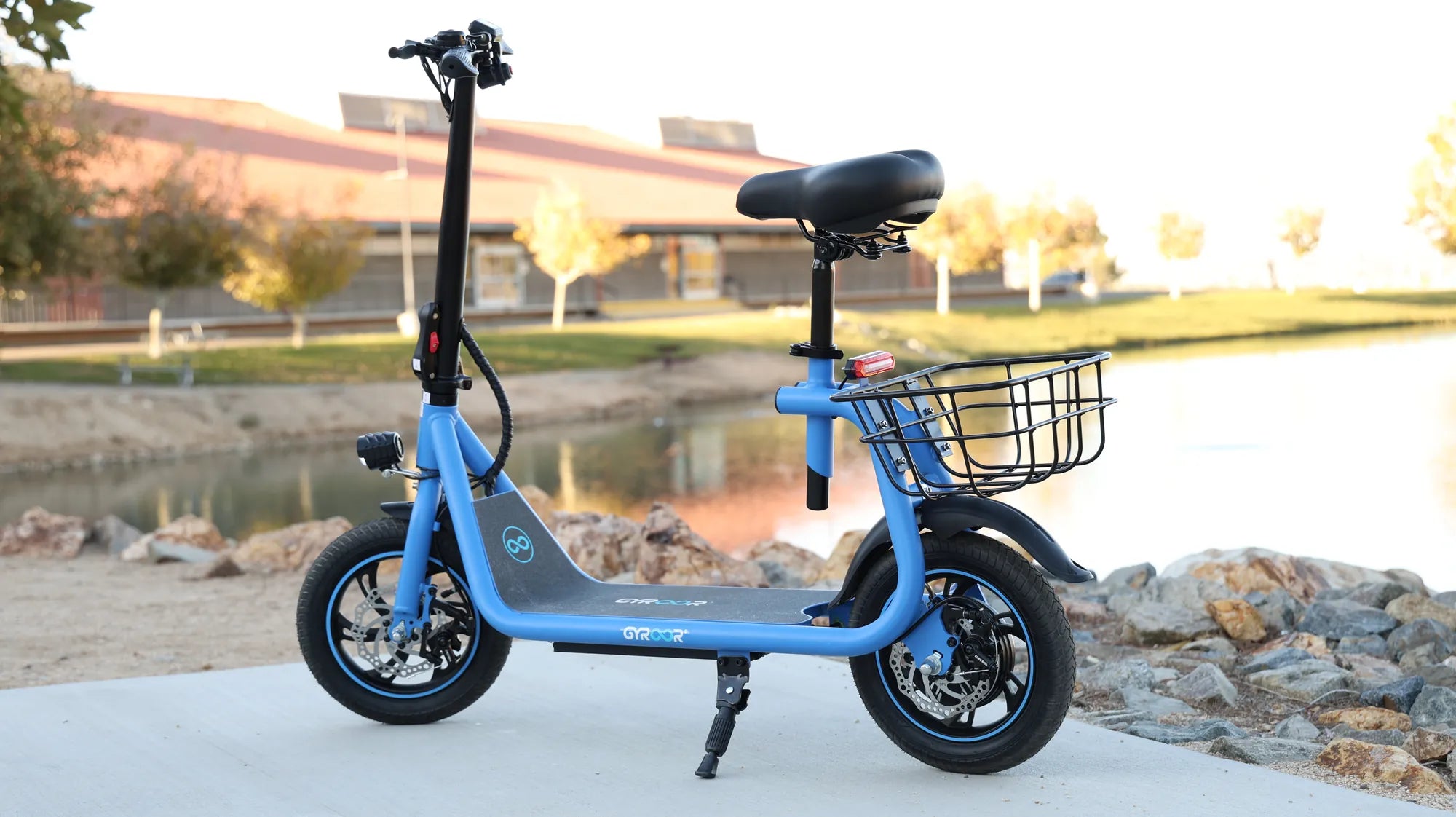
Forget the consumer-grade scooters you see on sidewalks. A new class of vehicle is quietly revolutionizing how businesses operate in cities worldwide. Commercial electric scooters are engineered not for leisure, but for work—delivering packages, patrolling properties, and moving personnel with unprecedented efficiency. This shift represents a fundamental rethinking of urban logistics, where agility, cost control, and environmental impact are paramount. This article will provide a comprehensive analysis of commercial e-scooters, detailing their defining features, presenting a clear business case with data, exploring real-world applications, and offering a practical framework for successful fleet implementation. You will learn how this technology is not just an alternative, but a strategic upgrade for modern urban operations.
Defining the Commercial Electric Scooter: Beyond Personal Commuting
The term 'commercial electric scooter' specifies a purpose-built tool, distinct from its recreational counterpart. Where consumer models prioritize portability and affordability for short trips, commercial-grade units are designed for durability, reliability, and high-frequency use in demanding professional environments. They are assets, not accessories, built to withstand the rigors of daily business operations and deliver a clear return on investment.
The core differentiator is construction. Commercial scooters feature reinforced frames, often made from aerospace-grade aluminum or steel, to handle increased payloads and constant vibration. Their components—from motors to brakes to tires—are selected for longevity and consistent performance under load. This robust build quality directly translates to lower long-term maintenance costs and reduced fleet downtime, critical factors for any business.
Performance metrics are also elevated. Commercial models boast higher wattage motors (typically 500W to 1000W or more) to maintain speed on inclines even when carrying equipment or goods. They integrate larger, high-capacity battery packs to ensure sufficient range for a full work shift without mid-day charging. Crucially, these batteries are not just bigger; they are built to higher safety and durability standards, a non-negotiable aspect for fleet managers.
Key Features of a Commercial-Grade Model
When evaluating scooters for business use, several features move from 'nice-to-have' to essential. These specifications form the baseline for a reliable fleet vehicle.
- UL-Certified High-Capacity Battery: This is the most critical safety feature. UL certification (like UL 2271 or UL 2849) means the battery pack has undergone rigorous independent testing for electrical, mechanical, and environmental safety, significantly reducing fire risk. Capacity should be 15Ah or higher for all-day operation.
- Superior Water & Dust Resistance (IP Rating): A rating of IPX5 or higher is standard for commercial use. This ensures the scooter can withstand water jets from any direction, making it viable for use in rain or after cleaning, protecting sensitive electronic components.
- Robust Motor and Drive System: A minimum 500W nominal motor is recommended, with 750W or 1000W providing better performance for hilly terrain or heavier loads. The motor should offer consistent torque and be paired with a reliable controller.
- Enhanced Payload Capacity: While consumer scooters may cap at 220 lbs, commercial models are built to carry 265 lbs to 330 lbs or more, accommodating the rider plus tools, delivery bags, or other cargo.
- Durable Tires and Suspension: Pneumatic (air-filled) or solid, puncture-resistant tires combined with a front and/or rear suspension system are vital for comfort and vehicle integrity when navigating urban potholes and curbs daily.
The Business Case: Tangible Benefits for Modern Operations
The adoption of commercial electric scooters is driven by a compelling financial and operational argument. They address core pain points in urban business: traffic congestion, rising fuel costs, parking limitations, and environmental compliance pressures. The return on investment is measurable across multiple dimensions.
Operational cost savings are immediate and significant. Compared to traditional gasoline-powered vehicles like vans, cars, or motorcycles, e-scooters have a drastically lower cost per mile. Electricity is cheaper than gasoline, and the vehicles have far fewer moving parts, leading to reduced maintenance expenses—no oil changes, transmission repairs, or complex engine diagnostics. Parking fines and time wasted searching for parking spaces are also nearly eliminated.
Efficiency gains are equally transformative. In dense urban cores where traffic often crawls, an electric scooter can maintain an average speed that matches or exceeds that of a car. For last-mile delivery drivers, security personnel, or maintenance technicians, this means more stops, patrols, or service calls completed per shift. This directly increases employee productivity and customer service responsiveness.
Cost Efficiency and Operational Agility
A comparative cost analysis reveals stark differences. The table below outlines key operational metrics, illustrating why commercial electric scooters are a superior choice for dense urban logistics.
| Operational Factor | Commercial Electric Scooter | Traditional Delivery Van/Car |
|---|---|---|
| Fuel/Energy Cost per Mile | $0.01 - $0.03 (electricity) | $0.15 - $0.30 (gasoline) |
| Annual Maintenance Cost | $100 - $300 (tires, brakes) | $1,200 - $2,500+ (oil, filters, repairs) |
| Parking Accessibility & Cost | Virtually unlimited; low/no fee | Highly limited; high fees/tickets |
| Traffic Navigation | High (use bike lanes, filter) | Low (stuck in congestion) |
| Average Urban Speed | 12-18 mph (consistent) | 6-12 mph (highly variable) |
| Depreciation | Moderate (simpler asset) | High (complex vehicle) |
This agility translates directly to the bottom line. A delivery service using scooters can potentially complete 20-30% more deliveries in a downtown area per day compared to a van-based fleet, while simultaneously slashing its vehicle operating expenses by over 70%.
Sustainability as a Competitive Advantage
Beyond direct economics, commercial electric scooters serve as a powerful tool for corporate sustainability and ESG (Environmental, Social, and Governance) initiatives. They produce zero tailpipe emissions, immediately reducing a company's operational carbon footprint. This is increasingly important for attracting eco-conscious customers, securing contracts with sustainability-minded partners, and complying with tightening urban emissions regulations.
Brands that deploy green fleets earn positive public relations and marketing opportunities, positioning themselves as innovative and responsible community partners. For employees, riding a quiet, emission-free vehicle contributes to a healthier urban environment and aligns with the values of a modern workforce, aiding in recruitment and retention.
Choosing the Right Fleet Partner: What to Look For
Selecting a commercial e-scooter supplier is a strategic decision. The lowest upfront cost often leads to the highest long-term cost through failures, downtime, and safety incidents. Businesses must prioritize reliability, safety certifications, and manufacturer support.
The evaluation should start with the manufacturer's reputation and focus. A brand that specializes in durable, high-performance personal electric vehicles, like Gyroor—trusted by over 100,000 riders across North America and Europe—is often a better bet than a generic consumer electronics company. Look for a proven track record in the market and transparent customer reviews focusing on durability.
Technical specifications are the next checkpoint. The features outlined earlier (UL-certified battery, IPX5+ rating, high payload, powerful motor) are the minimum viable product for commercial use. Specifications should be clearly stated and verifiable, not vague marketing claims.
Safety and Certification Standards (UL, IP Ratings)
Safety is non-negotiable, both for employee well-being and for business liability. UL certification for the battery and electrical system is the industry gold standard for fire prevention. It is an independent verification that the product has passed stringent tests. Never compromise on this.
Similarly, the IP (Ingress Protection) rating is a factual measure of environmental durability. An IPX5 rating confirms the scooter can handle sustained water spray, making it suitable for all-weather operation. A scooter without a clear IP rating is a significant risk for business use, as a single rainstorm could disable the entire fleet.
The Importance of Warranty and Support
A comprehensive warranty is a reflection of the manufacturer's confidence in its product. For commercial fleets, a minimum 1-year warranty on the frame, motor, battery, and controller is essential. This protects your investment and manages repair costs. Gyroor, for example, backs its commercial-ready models with a reliable 1-year warranty, providing peace of mind for fleet operators.
Equally important is the quality and accessibility of customer support. When a scooter in your fleet has an issue, you need prompt, knowledgeable assistance to get it back in service. US-based or readily accessible support channels are a major advantage over brands with only overseas or non-responsive support.
Real-World Applications: How Industries Are Leveraging E-Scooters
The versatility of commercial electric scooters is demonstrated by their adoption across diverse sectors. Each application leverages the core benefits of agility, low operating cost, and zero emissions to solve specific operational challenges.
In last-mile logistics, the impact is most visible. Food delivery services like local restaurants or gig-economy platforms use scooters to enable faster, more reliable delivery times in traffic-clogged districts. Parcel and courier services deploy them for same-day deliveries in urban cores, where vans are inefficient. The result is happier customers, lower delivery costs, and the ability to handle a higher volume of orders.
Security and facility management represent another major use case. Security firms use commercial scooters to increase the range and frequency of patrols for corporate campuses, residential complexes, and industrial parks. Maintenance teams at universities, hospitals, or large office buildings use them to transport tools and personnel quickly between sites, drastically improving response times for repairs and reducing technician fatigue.
Last-Mile Delivery and Courier Services
This sector has been the fastest adopter. A delivery rider on a commercial e-scooter can navigate to the customer's doorstep more directly than a van, which may have to park blocks away. This creates a 'dock-to-door' efficiency. Companies report being able to schedule delivery windows as tight as 30 minutes because of the predictability of scooter transit times versus ground vehicle traffic.
The economic model is compelling. A single delivery van's monthly payment, insurance, fuel, and parking can exceed $1,500. For a similar upfront capital outlay, a business could deploy a small fleet of 4-5 high-end commercial scooters, multiplying its delivery capacity across a wider area while cutting variable costs to near zero.
Security, Maintenance, and Campus Mobility
For security applications, the scooter is a force multiplier. A guard on foot might patrol a 20-acre campus once per shift. On a scooter, they can complete 3-4 thorough patrols, increasing visible deterrence and incident response speed. The quiet operation of an electric motor is also a benefit for nighttime patrols, unlike noisy gasoline carts.
Internal logistics for large facilities see similar gains. Mail room staff can distribute parcels across a corporate headquarters in minutes. IT technicians can respond to service calls across a university campus without breaking a sweat. This intra-campus mobility streamlines operations and improves service levels for internal stakeholders.
Fleet Management and Implementation Strategies
Successfully integrating commercial electric scooters requires more than just purchasing hardware. It demands thoughtful planning around management, security, and rider protocols to maximize ROI and ensure safety.
A centralized charging and storage hub is fundamental. Designate a secure, dry area with enough electrical outlets to charge the entire fleet simultaneously, preferably overnight. Using smart chargers that optimize battery health can extend the overall lifespan of your fleet's most expensive component. Implementing a check-in/check-out system for riders ensures accountability for each vehicle.
Rider training and safety protocols are critical for risk management. Mandate helmet use at all times. Provide basic training on safe urban riding, including navigating intersections, pedestrian awareness, and proper braking techniques. Establish clear policies on speed limits, cargo securement, and weather-related usage (e.g., no riding in severe storms).
Fleet Tracking and Theft Prevention
Asset security is a top concern. Many commercial-grade scooters offer integrated GPS tracking, allowing fleet managers to monitor vehicle location in real-time via a smartphone app. This aids in route optimization, recovery in case of theft, and monitoring rider adherence to designated areas.
Physical security is equally important. Invest in high-quality, hardened steel U-locks or chain locks and require riders to secure the scooter to a fixed object whenever unattended, even for short periods. For high-risk areas, consider secondary wheel locks or alarm systems. Marking scooters with company logos and asset IDs also acts as a deterrent.
Addressing Common Concerns: Range, Regulation, and Security
Prospective adopters often have valid questions about practical limitations. Addressing these concerns with data and planning is key to confident adoption.
Range Anxiety: Modern commercial scooters with 15Ah+ batteries offer real-world ranges of 25-40 miles per charge, depending on load, terrain, and speed. For most urban delivery or patrol routes, this is more than sufficient for a full 8-hour shift. The solution is operational planning: mapping routes to be within range and establishing a routine of overnight charging.
Regulatory Landscape: Laws governing e-scooters vary by city and state. Generally, commercial operators must comply with the same rules as personal riders: helmet laws, age restrictions, speed limits (often capped at 15-20 mph), and rules about where to ride (bike lanes vs. streets). It is the business's responsibility to research and comply with local regulations, secure any necessary business licenses for operating a delivery fleet, and obtain appropriate commercial insurance that covers scooter operations.
Durability and Lifespan: A well-built commercial scooter from a reputable brand, with proper maintenance, can last 3-5 years or more in fleet service. The primary wear items are tires, brake pads, and the battery. With UL-certified batteries rated for 500+ charge cycles, the battery should retain sufficient capacity for professional use for 2-3 years before needing replacement, which is a predictable operating cost.
Conclusion: Accelerating Toward a Smarter, Greener Business Model
The evidence is clear: commercial electric scooters are a transformative technology for urban businesses. They offer a rare trifecta of benefits—slashing operational costs, boosting productivity, and advancing sustainability goals—all while navigating the unique challenges of 21st-century cities. This is not a futuristic concept but a practical, proven solution being deployed today by forward-thinking companies. The transition from traditional gas-powered fleets to agile, electric micro-mobility represents a strategic investment in efficiency and resilience. For any business operating in an urban environment, the question is no longer if electric scooters are viable, but how quickly they can be integrated to gain a competitive edge. Evaluate your last-mile logistics, security patrols, or internal mobility through this new lens; the potential for improvement is substantial.
Ready to explore how a commercial e-scooter fleet can optimize your operations? Browse the full Gyroor collection at gyroorboard.com to see commercial-ready models built with UL-certified batteries, IPX5 water-resistant designs, and the durability demanded by business use, all backed by a reliable 1-year warranty and trusted by a global community of riders.
FAQ: Commercial Electric Scooters Quick Facts
Q: What is the typical payload capacity for a commercial e-scooter?
A: Commercial models are built to carry significantly more than consumer versions. Standard payload capacities range from 265 pounds to 330 pounds, designed to accommodate an adult rider plus tools, delivery bags, or other business-related cargo.
Q: How far can a commercial scooter go on a single charge?
A: Real-world range varies with load, terrain, and speed. Scooters equipped with high-capacity (15Ah+) batteries typically achieve 25 to 40 miles per charge. This is generally sufficient for a full work shift of urban deliveries or patrols when paired with overnight charging.
Q: What is the typical lifespan and durability?
A>With proper maintenance, a quality commercial scooter can provide 3-5 years of reliable fleet service. Key to longevity are the UL-certified battery (rated for 500+ cycles), a robust motor, and a reinforced frame. Regular maintenance of tires, brakes, and bearings is essential.
Q: Are they safe for employees to use?
A>Safety is paramount. Commercial scooters from reputable brands incorporate critical safety features: dual braking systems (disc + electronic), bright headlights/taillights, and wide, stable decks. Mandatory helmet use, proper rider training, and adherence to traffic laws are essential components of a safe fleet program.
Q: What is the true total cost of ownership (TCO)?
A>TCO includes the purchase price plus operating costs over the scooter's lifespan. While the upfront cost is higher than a consumer model, the TCO is dramatically lower than a gas vehicle. Major costs are electricity (~$30/year), periodic tire/brake replacement, and a battery replacement after 2-3 years. The savings from eliminated fuel, parking, and complex mechanical repairs make the TCO highly favorable.
Electric Scooters 28 MPH: The Ultimate Guide to Speed, Safety, and Performance
How Long Do Electric Scooters Last on One Charge: A Comprehensive Guide