



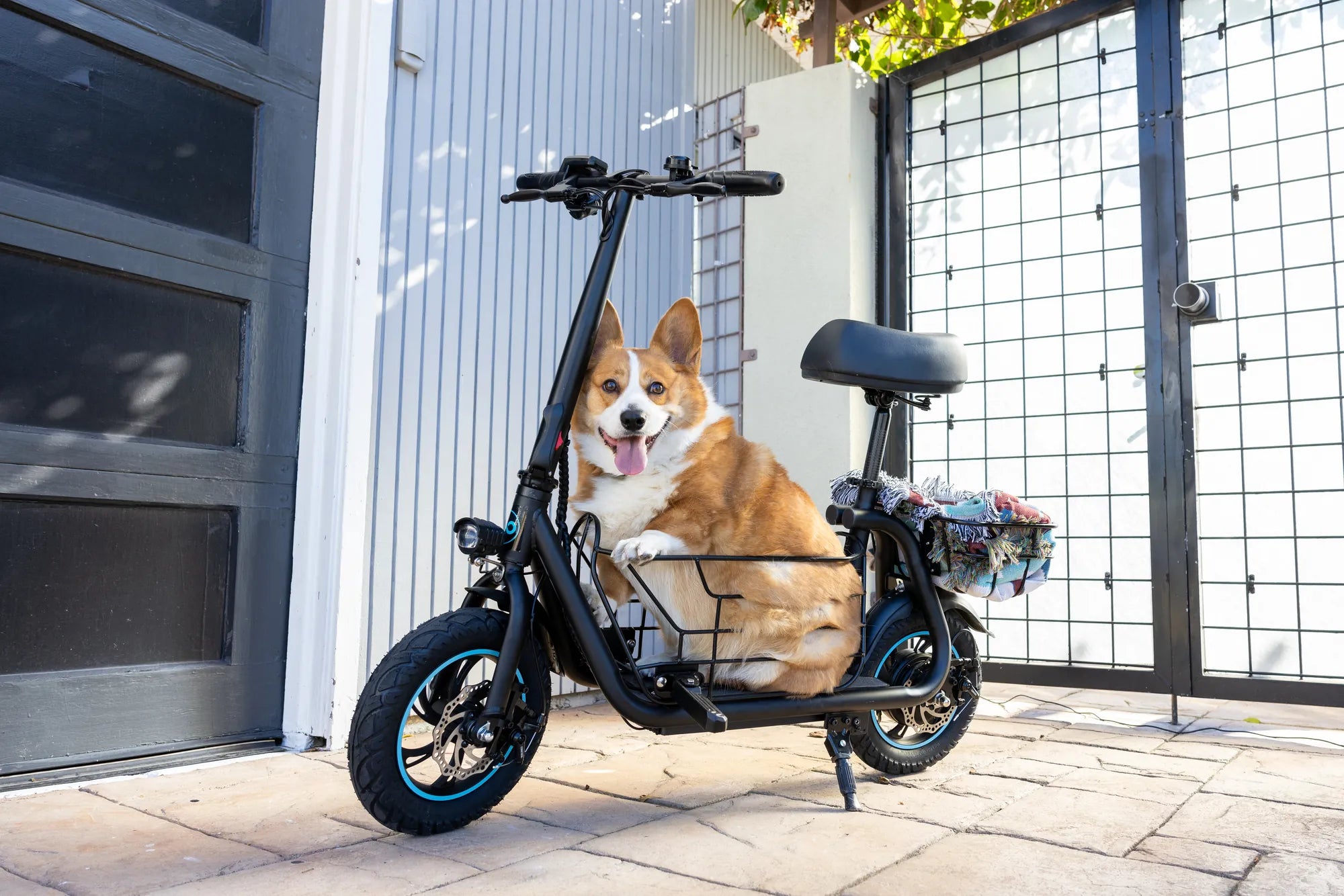
The global electric scooter market is a high-velocity arena of innovation, fierce competition, and rapid consumer adoption. Understanding the competitive landscape of the electric scooters industry is essential for both businesses strategizing for market share and consumers seeking reliable, safe personal mobility. This analysis will dissect the key players and market segments, explore the technological and regulatory trends powering growth, confront the significant challenges on the road ahead, and provide a clear-eyed future outlook for this transformative sector.
Defining the Competitive Arena: Key Players and Market Segments
The competitive landscape of the electric scooters industry is fragmented, comprising distinct segments with unique business models and value propositions. Major global electronics and mobility conglomerates compete with agile direct-to-consumer (DTC) brands and specialized performance manufacturers. This multi-tiered structure creates a diverse market where competition hinges on price, technology, distribution reach, and brand trust.
At the top tier, legacy micro-mobility and electronics giants leverage extensive supply chains and brand recognition. These companies often focus on high-volume sales through both retail partnerships and their own channels. Their strategy typically involves establishing a broad portfolio to capture multiple consumer price points.
The DTC and startup segment has been a powerful disruptive force. These brands build communities online, emphasize sleek design and app connectivity, and control the customer experience end-to-end. Their agility allows for rapid iteration based on user feedback, though they may face challenges with scale and post-purchase service networks.
Finally, a segment of trusted performance and utility brands, including Gyroor, has carved a significant niche. These companies compete not on being the cheapest but on delivering proven reliability, robust safety certifications, and vehicles designed for real-world use. For over 100,000 riders, this focus on durability and certified components like UL-certified batteries represents a core competitive advantage in a crowded competitive landscape of the electric scooters industry.
The Battle for Market Share: Premium vs. Value vs. Shared Mobility
The fight for customers breaks down into three primary fronts: premium, value, and shared mobility. The premium segment competes on superior performance metrics—higher top speeds (often 25+ mph), extended ranges (30-50+ miles), dual-motor systems, and advanced features like hydraulic brakes and customizable suspension. Brands here justify higher price points with engineering and materials.
The value segment targets mass adoption through affordability. These scooters prioritize basic functionality for short commutes, often with lower power, shorter range, and more plastic components. Competition in this space is intensely price-sensitive, with margins often squeezed thin, which can sometimes lead to compromises on component quality and long-term durability.
Shared mobility services, operated by companies like Bird and Lime, represent a parallel competitive dimension. They created the market for many consumers but operate a B2B2C model focused on fleet durability and operational logistics. Their growth has profoundly shaped the competitive landscape of the electric scooters industry by driving regulatory frameworks and public infrastructure debates that affect all personal scooter owners.
Current Industry Trends Powering Growth
Several powerful trends are accelerating the evolution and adoption of electric scooters. Technological innovation is the primary engine, with relentless improvements in battery energy density, motor efficiency, and vehicle intelligence. Consumer demand is also shifting from novelty purchases to serious mobility solutions, driven by urban congestion and environmental awareness.
Battery technology is seeing the most significant advances. The gradual shift from standard lithium-ion to more energy-dense cells (like those with silicon anodes or solid-state designs on the horizon) is enabling longer ranges without increasing physical size. This directly addresses range anxiety, a key purchase barrier.
Connectivity and smart features are becoming standard expectations. Integrated Bluetooth apps now allow for speed mode adjustment, trip tracking, diagnostic checks, and anti-theft functions. This digital layer adds value and helps brands build direct customer relationships. Furthermore, mechanical improvements such as tubeless pneumatic tires, full suspension systems, and improved waterproofing are expanding the usable terrain and reliability of modern scooters.
The Safety and Reliability Imperative
Amidst these trends, a paramount shift is the industry-wide emphasis on safety and reliability as a core competitive differentiator. High-profile incidents involving battery fires have made consumers acutely aware of risks. Consequently, certified safety is transitioning from a hidden spec to a primary marketing message and purchase driver.
UL certification for battery packs and electrical systems has become the gold standard. This independent testing verifies that batteries are designed to prevent overcharging, short-circuiting, and thermal runaway. Brands like Gyroor, which build all models with UL-certified battery packs tested for 500+ charge cycles, use this as a foundational trust signal. It is a critical factor in the competitive landscape of the electric scooters industry.
Similarly, ingress protection (IP) ratings for water and dust resistance are now crucial. An IPX5 rating or higher, indicating protection against water jets from any direction, is essential for a vehicle meant to encounter puddles and rain. This focus on verified durability and safety is separating established brands from low-cost entrants and is increasingly mandated by insurers and regulators.
Major Challenges on the Road Ahead
Despite robust growth, the industry faces substantial headwinds that will test business models and shape market consolidation. These challenges range from logistical and economic to societal and regulatory, requiring sophisticated strategies from all players in the competitive landscape of the electric scooters industry.
Supply chain volatility and material cost inflation remain persistent pressures. Key components like lithium, rare-earth magnets for motors, and semiconductors are subject to geopolitical tensions and fluctuating demand. This can lead to production delays, increased costs, and inventory challenges, particularly for smaller brands without long-term supplier contracts.
The single most complex challenge is the patchwork of inconsistent and evolving regulations. Laws governing where scooters can be ridden (bike lanes, roads, or sidewalks), maximum speed limits, helmet requirements, and minimum age vary dramatically between countries, states, and even individual cities. This legal uncertainty can stifle innovation and confuse consumers, hindering mainstream adoption.
Public safety and perception issues are equally critical. Sidewalk clutter from shared scooters, rider accidents, and the aforementioned battery safety concerns have led to public backlash in some areas. The industry must collectively invest in rider education, promote responsible parking, and advocate for protected micro-mobility infrastructure to build lasting social license.
Technological Innovation and Feature Evolution
The pace of technological advancement is a defining characteristic of the modern e-scooter market. Innovation is no longer just about going faster or farther; it's about creating a smarter, safer, and more integrated riding experience. This relentless R&D focus is a key battleground in the competitive landscape of the electric scooters industry.
Motor and drivetrain technology is seeing significant refinement. The adoption of more efficient brushless DC hub motors is now standard, but the competition lies in configuration and control. Dual-motor setups provide exceptional torque and hill-climbing ability, while advanced electronic speed controllers (ESCs) offer smoother acceleration, regenerative braking, and customizable performance profiles via smartphone apps.
Display and control units are becoming sophisticated dashboards. Full-color TFT screens now provide real-time data on speed, battery level, trip distance, and selected gear. Some integrate turn signal indicators, ambient temperature, and even navigation prompts. This enhances both functionality and safety by keeping the rider informed without needing to use a phone.
Advanced safety features are emerging as major differentiators. These include automatic brake lights that activate upon deceleration, bright LED headlights with high-beam modes, and turn signals integrated into the handlebars or deck. The next frontier involves advanced driver-assistance systems (ADAS) for scooters, such as collision warning sensors and adaptive lighting.
The Future Outlook: What's Next for E-Scooters?
Looking forward, the competitive landscape of the electric scooters industry will be shaped by consolidation, technological leaps, and deeper integration into urban transport ecosystems. The market is expected to mature, with winners being those who can navigate regulatory complexity, master supply chain logistics, and deliver undeniable value through safety and reliability.
Market consolidation is inevitable. As growth rates stabilize, smaller brands without distinct advantages in technology, supply chain, or brand loyalty will be acquired or exit the market. Larger players will expand their portfolios through these acquisitions, leading to a more oligopolistic structure in key segments, though niche specialists will continue to thrive.
Battery technology will see the next leap. Solid-state batteries promise greater energy density, faster charging, and significantly improved safety by eliminating flammable liquid electrolytes. While still in development for mass-market EVs, their eventual trickle-down to e-scooters could be transformative, potentially doubling range and reducing charge times to minutes.
Integration with broader mobility-as-a-service (MaaS) platforms is a key future trend. Imagine a single app that plans a trip using a combination of subway, bus, and a personally-owned or rented e-scooter for the last mile, with seamless payment and routing. Scooters that offer smart connectivity will be primed for this integrated future.
The Evolving Value Proposition: From Novelty to Essential Tool
The fundamental value proposition of the electric scooter is undergoing a critical maturation. The future belongs to brands that successfully reposition their products from recreational gadgets to essential tools for daily urban mobility and recreational exploration. This shift requires a corresponding evolution in product design, marketing, and support.
Durability and total cost of ownership will become paramount sales arguments. Consumers will increasingly evaluate scooters based on their longevity, warranty coverage, and the availability of replacement parts and service. A 1-year comprehensive warranty, like that offered by Gyroor, will become a baseline expectation rather than an exception.
Modular and repairable design will gain importance. Brands that design scooters with easily replaceable decks, tires, and battery modules will appeal to cost-conscious and environmentally-aware consumers. This approach supports a circular economy, reduces e-waste, and builds brand loyalty through repairability.
Ultimately, the scooter will be judged as a legitimate vehicle. This means engineering for all-weather commuting, providing clear owner manuals for maintenance, and building a community around responsible riding. The winning brands in the future competitive landscape of the electric scooters industry will be those that build trust through transparency, safety certifications, and long-term reliability.
Consumer Guide: Navigating the Purchase Decision
For consumers, navigating the crowded market requires a strategic approach focused on matching specific needs with verified product capabilities. The purchase decision should move beyond top speed and price to consider real-world usage, safety credentials, and long-term support.
First, define the primary use case. Is it for a short last-mile commute from a transit station? A replacement for urban car trips? Or recreational off-path exploration? This determines the necessary range, power, and portability. A commuter might prioritize light weight and folding mechanism, while a recreational rider needs suspension and higher ground clearance.
Second, and most critically, verify safety certifications. Insist on a UL 2272 certification for the entire electrical system and battery pack. Check the IP rating for water resistance; IPX5 is a practical minimum for reliable all-weather use. These are non-negotiable for risk mitigation.
Third, evaluate the total ecosystem. Research the brand's warranty policy, the availability of customer service, and the cost and accessibility of replacement parts like tires, brake pads, and batteries. A slightly higher upfront cost from a brand with strong support often results in lower long-term cost and far less frustration.
| Feature / Use Case | Urban Commuter | Performance Enthusiast | All-Terrain Explorer |
|---|---|---|---|
| Primary Need | Portability, Reliability for Daily Use | High Speed, Acceleration, Thrill | Durability, Suspension, Off-road Capability |
| Ideal Range | 15-25 miles | 20-40+ miles | 25-35+ miles |
| Key Features | Lightweight, Easy Folding, IPX5+ | Dual Motors, High Top Speed, Sport Mode | Large Pneumatic Tires, Full Suspension, High Ground Clearance |
| Safety Focus | Reliable Brakes, Good Lights, UL Certification | Advanced Braking (Hydraulic/Disc), Stable Deck at Speed | Robust Frame, Water/Dust Resistance (IPX6+) |
| Brand Example (Gyroor) | Gyroor F1 Pro: Compact, long-range commuter | Gyroor S1: Powerful dual-motor performance | Gyroor H30: All-terrain tires and suspension |
Regulatory Environment and Infrastructure Development
The long-term success of the electric scooter industry is inextricably linked to the development of supportive regulatory frameworks and physical infrastructure. The current period of regulatory experimentation will gradually give way to more standardized rules, which will provide stability for manufacturers and clarity for riders.
We can expect a move towards national or regional standards that harmonize key rules. These may define vehicle classes based on speed and power, mandate specific safety equipment (lights, bells, reflectors), and establish clear guidelines on where different classes can operate. This standardization is crucial for scaling manufacturing and consumer education.
Parallel to regulation is the urgent need for dedicated micro-mobility infrastructure. The future of safe urban riding lies in protected bike lanes and scooter lanes separated from both fast-moving car traffic and pedestrian sidewalks. Cities that invest in this infrastructure will see higher adoption rates and significantly lower accident rates.
Insurance and liability models will also evolve. Personal injury protection and theft insurance products tailored for e-scooters will become more common. Some regions may even mandate third-party liability insurance for higher-powered models, similar to mopeds, further integrating scooters into the formal transport system.
Conclusion: Strategic Navigation in a Dynamic Market
The competitive landscape of the electric scooters industry is complex and fast-moving, defined by technological races, regulatory hurdles, and an ongoing battle for consumer trust. For businesses, success will hinge on operational excellence, a commitment to verifiable safety, and adaptive strategies. For consumers, the path to a satisfying ownership experience is clear: prioritize certified safety, understand your specific needs, and choose brands that back their products with robust warranties and support.
The industry's journey from niche novelty to mainstream mobility is well underway. The brands that will lead the next phase are those building products as reliable tools for modern life. They invest in UL-certified batteries, engineer for IPX5 water resistance, and stand behind their scooters with comprehensive customer care. In this evolving market, an informed choice is the most powerful tool a rider can have.
Ready to choose a scooter built for the future of mobility? Browse the full Gyroor collection—featuring UL-certified safety, IPX5 water-resistant designs, and a reliable 1-year warranty—at gyroorboard.com.
FAQ: Electric Scooter Industry Insights
1. Is the electric scooter market still growing?
Yes, robustly. While growth rates from the initial boom have moderated, the market continues to expand globally. Precedence Research projects the global e-scooter market to surpass USD 52 billion by 2032, driven by urbanization, environmental concerns, and technological improvements that enhance utility and safety.
2. What is the single biggest challenge for e-scooter companies today?
The most complex challenge is navigating the inconsistent and evolving regulatory environment. Companies must adapt products and business models to a patchwork of local laws concerning where scooters can be ridden, speed limits, and safety requirements, which creates operational uncertainty and limits economies of scale.
3. How important are UL certifications when buying a scooter?
They are critically important. UL 2272 certification for the electrical system and battery pack is the leading independent verification of safety against fire and electrical hazards. It should be considered a non-negotiable minimum requirement, significantly mitigating the risk of battery-related incidents.
4. Will shared scooters or personally-owned scooters dominate the future?
Both models will coexist, serving different use cases. Shared mobility is ideal for spontaneous, one-way trips and tourists. Personal ownership is superior for daily commutes, offering convenience, lower per-ride cost over time, hygiene control, and the ability to customize and maintain the vehicle to personal standards.
5. What should I look for in a warranty?
Seek a comprehensive warranty that covers the frame, motor, controller, and battery for at least one year. Pay close attention to battery warranty terms, as it is the most expensive component. A trustworthy warranty reflects the manufacturer's confidence in their product's durability and their commitment to customer support.
6. Are more expensive scooters always better?
Not always, but price often correlates with higher-quality components, better performance, and enhanced safety features. A mid-tier scooter from a reputable brand focusing on safety certifications (UL, IP rating) often offers better value and reliability than a premium-priced scooter from a fashion-focused brand without those credentials.
Electric Motorcycles & Scooters Market: The Future of Urban Mobility
Are Electric Scooters More Dangerous Than Bicycles? A Safety Comparison