


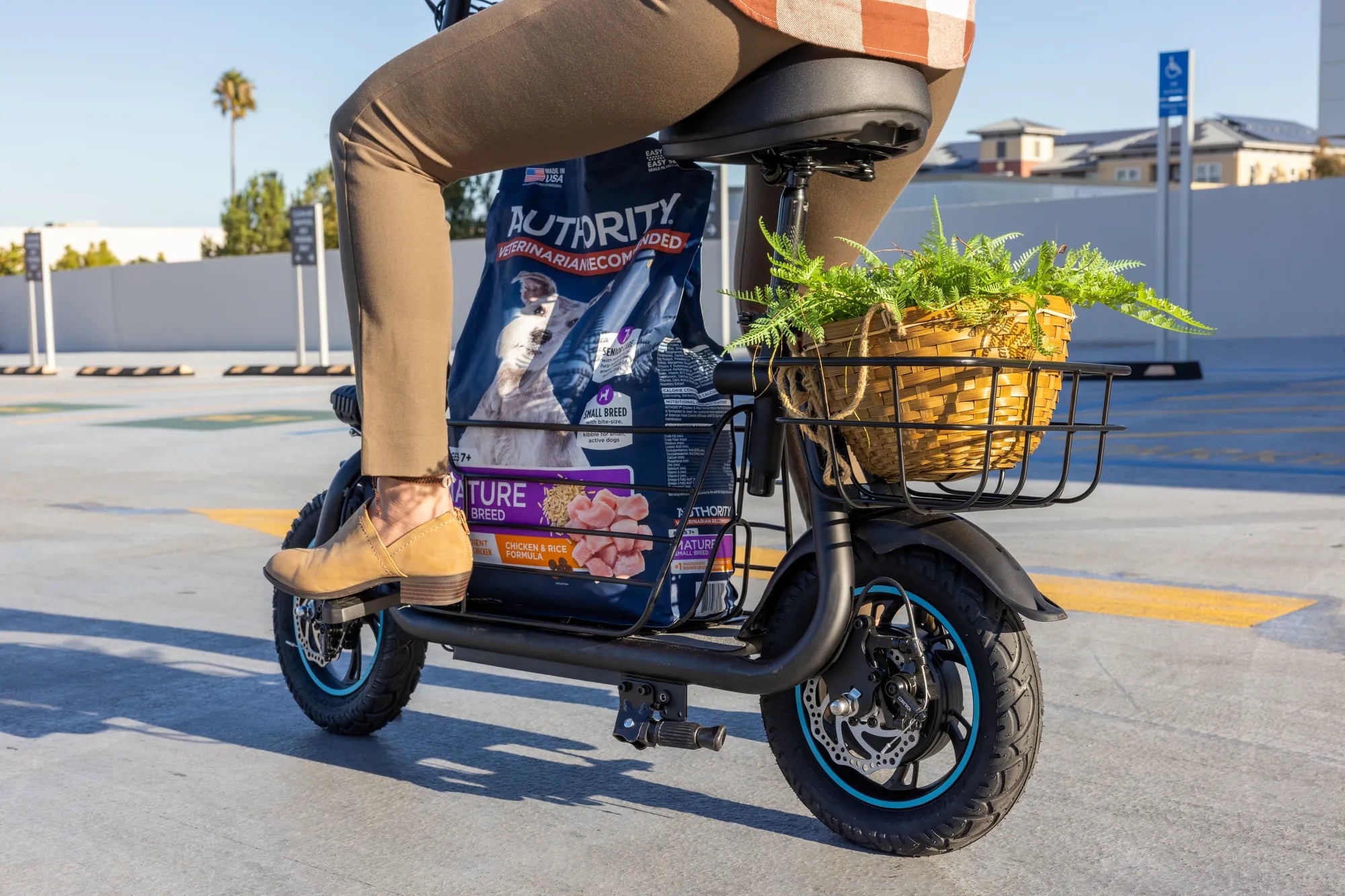
Imagine gliding down the street on your trike, effortlessly powered by electricity, with no fumes or noise—just pure, smooth riding. Converting a trike to electric is not only an eco-friendly upgrade but also a cost-effective way to enhance your riding experience. Whether you're looking to reduce your carbon footprint or simply want an easier commute, this guide will walk you through everything you need to know.
Why Convert Your Trike to Electric?
Electric trikes offer numerous advantages over traditional pedal-powered models. They provide assisted pedaling, making uphill climbs and long distances a breeze. Additionally, electric trikes are quieter, emit zero emissions, and can save you money on fuel in the long run. For those with mobility challenges, an electric conversion can make trikes more accessible and enjoyable.
Essential Components for an Electric Trike Conversion
Before diving into the conversion process, it's crucial to understand the key components you'll need:
- Electric Motor: The heart of your electric trike. Hub motors and mid-drive motors are popular choices.
- Battery Pack: Provides the power for your motor. Lithium-ion batteries are lightweight and long-lasting.
- Controller: Regulates the power flow between the battery and motor.
- Throttle or Pedal Assist System: Allows you to control the motor's speed and power output.
- Charger: Keeps your battery topped up and ready for your next ride.
Step-by-Step Guide to Converting Your Trike
1. Choose the Right Conversion Kit
Select a kit that matches your trike's specifications, including wheel size and frame type. Kits typically include the motor, battery, controller, and necessary wiring.
2. Remove Unnecessary Components
Clear space on your trike by removing any parts that may interfere with the new electric components, such as old gear systems or unnecessary brackets.
3. Install the Motor
Attach the motor to the rear wheel or the frame, depending on the type you've chosen. Ensure it's securely fastened to avoid vibrations or misalignment.
4. Mount the Battery
Place the battery in a location that balances the trike's weight distribution. Common spots include under the seat or on a rear rack.
5. Connect the Controller and Throttle
Wire the controller to the motor and battery, then install the throttle or pedal assist system on the handlebars for easy access.
6. Test and Adjust
Before hitting the road, test your electric trike in a safe area. Check for smooth acceleration, braking, and overall stability. Make adjustments as needed.
Maintenance Tips for Your Electric Trike
To keep your electric trike running smoothly, follow these maintenance tips:
- Regularly inspect the battery and charging system for wear or damage.
- Keep the motor and drivetrain clean and lubricated.
- Check tire pressure and brakes before each ride.
- Store your trike in a dry, cool place to prolong battery life.
Legal Considerations for Electric Trikes
Before converting your trike, research local regulations regarding electric-assist vehicles. Some areas have speed limits, power restrictions, or require registration. Ensure your trike complies to avoid fines or legal issues.
Ready to transform your trike into an electric powerhouse? With the right tools and knowledge, you can enjoy a greener, more efficient ride in no time. Say goodbye to exhausting pedaling and hello to the future of personal transportation!
Electric Bike Speed Classes: Understanding the Different Categories and Their Benefits
7Ah Battery for Bike: The Ultimate Power Solution for Your Ride