


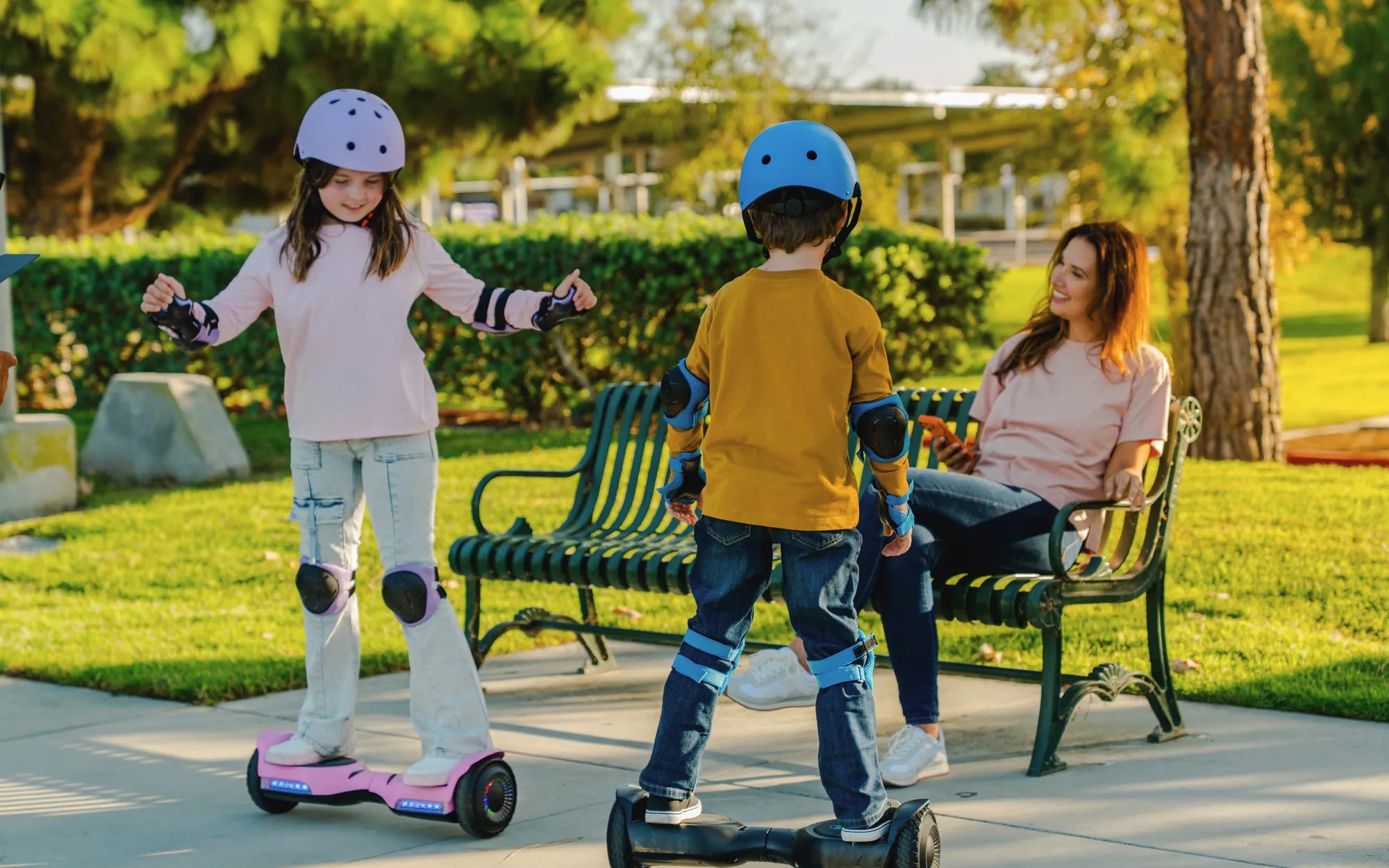
Remember the excitement when hoverboards first hit the market? These futuristic, self-balancing scooters promised to revolutionize personal transportation. But soon, reports of fires, injuries, and legal crackdowns began to surface. So, did hoverboards get banned? The answer isn’t as simple as a yes or no—let’s dive into the full story.
The Rise and Fall of Hoverboards
Hoverboards burst onto the scene in the mid-2010s, quickly becoming a must-have gadget. Celebrities flaunted them, kids begged for them, and social media was flooded with viral videos. However, their popularity was short-lived as safety concerns emerged.
Safety Concerns That Sparked the Controversy
The first major issue was the risk of fires caused by faulty lithium-ion batteries. Reports of hoverboards catching fire during charging or even while in use made headlines worldwide. Airlines and transportation authorities took notice, leading to widespread restrictions.
- Battery Fires: Poorly manufactured batteries were prone to overheating, causing explosions.
- Injury Risks: Riders faced falls, fractures, and even head injuries due to sudden stops or malfunctions.
- Lack of Regulation: Many hoverboards lacked safety certifications, making them unpredictable.
Did Hoverboards Get Banned Officially?
While hoverboards weren’t outright banned globally, several countries and institutions imposed strict regulations. In the U.S., the Consumer Product Safety Commission (CPSC) issued recalls for non-compliant models. Airlines banned them from flights due to fire hazards, and some cities restricted their use on sidewalks.
Key Restrictions Around the World
Different regions responded to hoverboard risks in varying ways:
| Country/Region | Action Taken |
|---|---|
| United States | CPSC recalls, airline bans, and local riding restrictions |
| United Kingdom | Banned from public roads and sidewalks under the Highway Act |
| Australia | Banned sales of non-compliant models and restricted public use |
The Aftermath and Current Status
Today, hoverboards haven’t disappeared entirely. Manufacturers improved safety standards, and many models now meet UL certification requirements. However, their popularity never fully recovered. Some cities still prohibit them in public spaces, while others allow them with strict guidelines.
So, did hoverboards get banned? Not universally—but their heyday was cut short by safety failures and legal hurdles. If you’re thinking of buying one today, check local laws and opt for certified models. The hoverboard craze may have fizzled, but its legacy lives on as a cautionary tale about balancing innovation with safety.
How Long Do You Keep a Hoverboard on the Charger: The Ultimate Guide
2 Wheeled Balance Scooter Hoverboard: The Future of Personal Mobility