


If you're in the market for a self-balancing scooter, you've likely come across the terms hoverboard and Hovertrax. While they may seem similar at first glance, there are significant differences between the two that could influence your buying decision. Whether you're a tech enthusiast, a commuter, or just looking for a fun way to get around, understanding these differences is crucial. Let's dive into the details to help you make an informed choice.
What Is a Hoverboard?
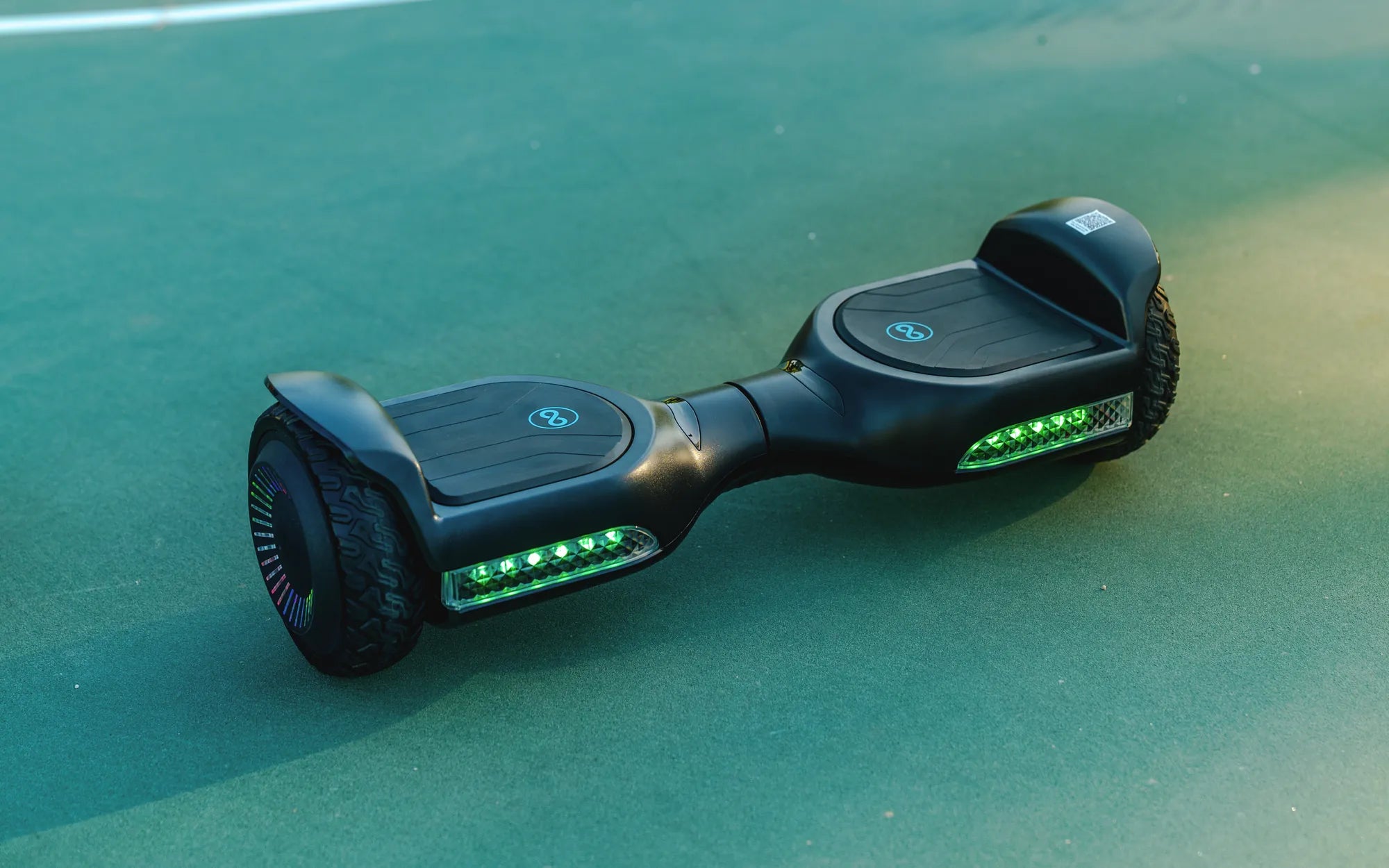
A hoverboard is a self-balancing, two-wheeled electric scooter that gained massive popularity in the mid-2010s. Riders control the device by shifting their weight, leaning forward to move ahead and backward to slow down or reverse. Hoverboards typically feature a central platform with wheels on either side and are powered by rechargeable batteries.
What Is a Hovertrax?
Hovertrax is a specific brand of self-balancing scooter, often considered a premium version of the standard hoverboard. While the term "Hovertrax" is sometimes used generically, it originally referred to a patented design with enhanced stability, better maneuverability, and advanced safety features. Hovertrax models often include additional tech integrations, such as Bluetooth connectivity and mobile app controls.
Key Differences Between Hoverboard and Hovertrax
1. Design and Build Quality
Standard hoverboards usually have a basic design with minimal ergonomic considerations. In contrast, Hovertrax models often feature a more refined build, with better materials and a focus on user comfort. The wheels on a Hovertrax are typically more durable, offering improved traction and longevity.
2. Safety Features
One of the biggest concerns with early hoverboards was safety, particularly regarding battery fires. Hovertrax addressed these issues by incorporating UL-certified batteries and advanced self-balancing algorithms to prevent overheating and sudden shutdowns. Many standard hoverboards now also include these features, but Hovertrax remains a leader in safety innovation.
3. Performance and Speed
Hovertrax models often boast higher top speeds and better acceleration compared to generic hoverboards. They also tend to have more responsive controls, making them ideal for riders who want precision and agility. Standard hoverboards, while functional, may not offer the same level of performance.
4. Price Point
Due to their advanced features and brand reputation, Hovertrax devices are generally more expensive than standard hoverboards. If you're on a budget, a generic hoverboard might suffice, but investing in a Hovertrax could provide better long-term value.
5. Additional Features
Hovertrax models often come with extra perks like Bluetooth speakers, LED lights, and companion apps for tracking speed and battery life. Standard hoverboards may lack these add-ons, focusing instead on basic functionality.
Which One Is Right for You?
Choosing between a hoverboard and a Hovertrax depends on your needs and budget. If you're looking for a cost-effective, no-frills option, a standard hoverboard might be the way to go. However, if you prioritize safety, performance, and premium features, a Hovertrax could be worth the extra investment.
Ready to take your ride to the next level? Whether you opt for a hoverboard or a Hovertrax, you're in for an exciting and futuristic way to zip around town. The choice is yours—pick the one that aligns with your lifestyle and enjoy the ride!
Cool Things You Can Do With a Hoverboard: Unleash Your Creativity
Can Hoverboards Ride on Dirt? Exploring Off-Road Possibilities