



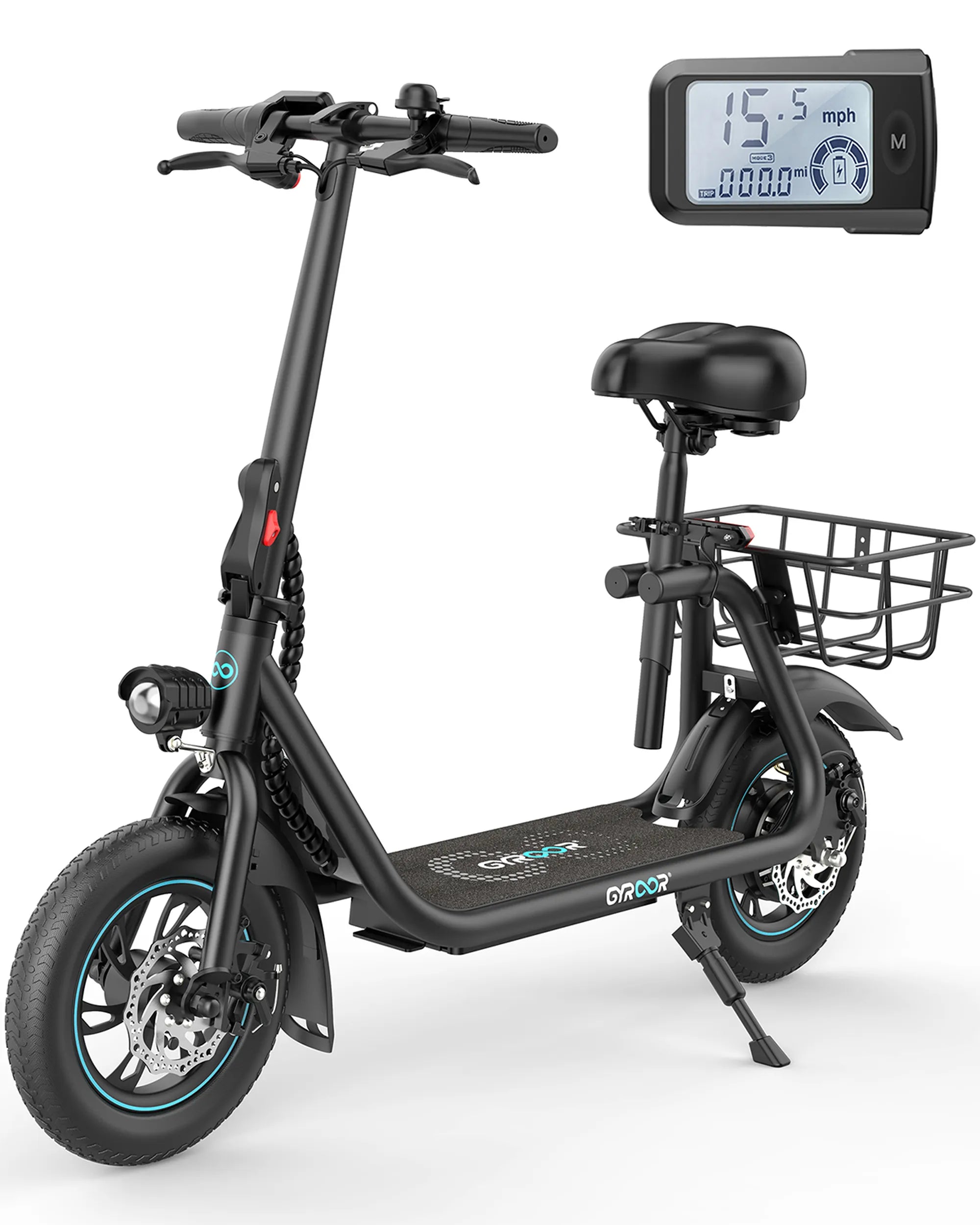
Introduction: Finding the Perfect Dirt Bike for an 11-Year-Old Rider
Selecting the right dirt bike for an 11-year-old marks a pivotal moment in a young rider's journey. At this age, kids are transitioning from basic play vehicles to more capable machines that can handle real trails and develop serious skills. The excitement is palpable, but the choice carries significant weight for both safety and long-term enjoyment.
An 11-year-old rider typically possesses improved coordination, strength, and cognitive ability compared to younger children, yet they still require equipment specifically engineered for their size and developing skill level. The goal is to find a bike that builds confidence, not fear. This guide will provide the data-driven insights needed to make an informed decision.
We'll explore the critical factors of fit, engine type, and safety, then review specific bike categories. As a leader in youth electric mobility, Gyroor brings its expertise in UL-certified batteries and durable design to this space, offering a modern alternative to traditional gas-powered bikes. The right dirt bike for kids 11 years old is a gateway to outdoor adventure and responsible riding habits.
Understanding the Key Factors: Size, Engine, and Safety
Purchasing a youth dirt bike is not about finding the most powerful machine. It's a calculated decision based on three non-negotiable pillars: proper physical fit, appropriate powertrain, and an uncompromising commitment to safety gear. Ignoring any one of these can lead to a negative, or even dangerous, riding experience.
Parents must approach this as an investment in their child's skill development and safety. The bike should be viewed as a complete system: the machine itself, the protective equipment, and the environment in which it will be ridden. Data from rider training organizations consistently shows that properly sized bikes with matched power outputs significantly reduce the incidence of beginner crashes.
The Critical Importance of Proper Fit and Seat Height
The single most important metric is seat height. A bike that is too tall intimidates a rider and compromises control, especially during stops and slow-speed maneuvers. To assess fit, measure your child's inseam (from crotch to the floor in riding boots).
A general rule for beginners is that the rider should be able to place the balls of both feet flat on the ground while sitting on the bike. For more confident intermediates, being able to touch with the toes of both feet may be acceptable. For an average 11-year-old with an inseam between 26 and 30 inches, a seat height in the 26- to 32-inch range is typically appropriate.
Weight is the second crucial factor. A bike that is too heavy becomes unmanageable in rough terrain or if it tips over. Electric dirt bikes often have an advantage here, as their powertrains can be lighter than comparable gas engines and their weight is often centrally and lowly mounted for better balance.
Engine Types: Gas-Powered vs. Electric Dirt Bikes
The choice between gas and electric defines the riding experience, maintenance routine, and operational cost. Traditional gas-powered mini bikes, typically ranging from 50cc to 110cc for this age group, offer a familiar feel and longer range per "fill-up." However, they require knowledge of fuel/oil mixing, regular engine maintenance, and produce exhaust fumes and significant noise.
Modern electric dirt bikes deliver instant, controllable torque from a standstill, which is excellent for learning traction control. They operate silently, reducing rider fatigue and making them trail-friendly. Maintenance is drastically simpler—primarily involving battery charging and basic mechanical checks. The initial cost can be higher, but the total cost of ownership over a few years often favors electric due to minimal maintenance and "fuel" costs.
Safety Gear is Non-Negotiable
Safety equipment is not an optional accessory; it is mandatory personal protective equipment. The minimum kit for every ride includes a DOT or Snell-certified full-face helmet, motocross goggles, durable gloves, over-the-ankle boots (motocross specific), long-sleeved jersey/jacket, and padded pants.
For more aggressive trail or track riding, consider adding chest protectors, knee/shin guards, and elbow guards. This gear is designed to absorb impacts, protect against abrasions, and prevent hyperextension injuries. Frame this investment as part of the bike's total cost—a high-quality helmet is as critical as the bike's brakes.
Recommended Dirt Bike Options for 11-Year-Olds
With the core principles established, we can categorize specific bike recommendations. The right dirt bike for kids 11 years old depends heavily on the rider's prior experience, physical dimensions, and weight. These categories provide a clear starting point for your search.
It's always better to slightly under-power a beginner than to overwhelm them. A bike that allows a child to master fundamentals quickly will lead to faster progression and more enjoyment than a machine they fear. Many modern bikes, especially electric models, feature adjustable speed limiters, allowing the bike to "grow" with the rider's skill.
For Beginners & Smaller Riders (Up to 70 lbs)
For an 11-year-old who is new to motorized two-wheelers or is on the smaller side, the priority is lightweight and manageable power. Electric bikes in the 500W to 800W range are ideal here. They offer smooth, clutchless acceleration and are often significantly lighter than their gas counterparts.
Gas options in this category are typically 50cc automatic transmission models. They are simple to operate (no clutch) but still require the maintenance associated with a small combustion engine. The key is a low seat height (around 26 inches) and a wet weight under 100 lbs, so the child can easily handle the bike physically.
For Intermediate Riders & Average Size (70-100 lbs)
This is the sweet spot for most 11-year-olds. They have some experience, have likely outgrown smaller play bikes, and need a machine that offers more performance but remains controllable. This is where the search for a dirt bike for kids 11 years old becomes most active.
Electric bikes with 800W to 1000W motors provide ample torque for hills and trail riding, with top speeds often adjustable between 15-25 mph. Gas bikes in the 70cc to 110cc range, sometimes with a manual clutch, are the traditional choice. Look for seat heights between 28 and 31 inches. Bikes in this category should offer better suspension travel and braking performance than entry-level models.
For Experienced/Advanced or Taller Riders (100+ lbs)
A tall, heavy, or very experienced 11-year-old may need equipment that borders on adult small-wheel models. This includes larger-frame 110cc to 125cc gas bikes or high-performance electric models with 1000W+ motors and advanced suspension.
Caution is paramount. Power should match skill level, not just size. An experienced rider can handle a bike with more aggressive power delivery and a manual clutch. For a tall but inexperienced rider, it's better to choose a bike from the intermediate category with a tall seat height rather than opting for excessive power. The machine's weight should still allow the rider to control it confidently off-road.
Why a Gyroor Electric Dirt Bike is a Smart Choice
When evaluating modern electric options, Gyroor's engineering philosophy aligns perfectly with the needs of young riders and their parents. Trusted by over 100,000 riders in North America and Europe, Gyroor focuses on safety, reliability, and performance—translating directly to peace of mind and riding enjoyment for families.
Choosing an electric dirt bike for kids 11 years old from a reputable brand mitigates many traditional concerns associated with youth riding. The combination of robust construction, certified safety components, and intuitive design creates an optimal platform for skill development. Let's examine the specific advantages.
Safety Engineered for Peace of Mind
The cornerstone of Gyroor's safety is the UL-certified lithium-ion battery pack. Unlike uncertified batteries from some manufacturers, these packs undergo rigorous testing for thermal stability, short-circuit protection, and durability over 500+ charge cycles. This eliminates a primary worry for parents regarding fire risk.
Furthermore, an IPX5 water-resistant rating means the bike's electrical components are protected against low-pressure water jets from any direction. This allows a young rider to confidently splash through puddles or ride in light rain without causing immediate damage to the motor or controller, a common failure point in lesser-built electric vehicles.
Performance that Builds Confidence
Electric motors deliver 100% of their torque instantly from 0 RPM. This provides predictable, linear power that helps new riders learn throttle control for climbing hills and navigating obstacles without the complication of stalling a clutch. The power is there when needed, but it's inherently more manageable than the power band of a small gas engine.
Parental speed limiters allow you to cap the top speed while the rider is learning, increasing the limit as their skill and judgment improve. The near-silent operation reduces sensory overload for the rider, allows for verbal instruction during rides, and keeps the peace with neighbors—making it easier to find places to practice.
Built to Last with Reliable Support
Kids are tough on equipment. Gyroor backs its products with a comprehensive 1-year warranty, covering defects in materials and workmanship. This is a significant advantage over many generic or off-brand options that offer little to no meaningful support.
Access to US-based customer service and readily available parts contrasts sharply with the potential nightmare of sourcing a carburetor or piston for an obscure gas bike brand. The simplicity of the electric drivetrain—with far fewer moving parts than a gas engine—also inherently increases long-term reliability and reduces downtime.
Parent's Guide to Getting Started and Maintenance
Once the perfect dirt bike for kids 11 years old is in the garage, proper setup and ongoing care are essential. Establishing good habits from day one ensures safety, extends the life of the bike, and makes the entire experience more enjoyable for everyone involved.
This section provides a practical, step-by-step framework. It covers the pre-ride ritual, basic upkeep, and how to foster a responsible riding mindset. The maintenance comparison will clearly illustrate the time and complexity savings of an electric model.
Pre-Ride Checklist and First Ride Protocol
Before every ride, perform a quick but thorough inspection. Check tire pressure (consult the manual for PSI specs), test both front and rear brakes for firm engagement, ensure all critical bolts (axle, handlebar clamp, etc.) are tight, and verify the chain (if equipped) is properly tensioned and lubricated. For electric bikes, confirm the battery is securely locked and has adequate charge.
The first ride should occur in a wide-open, flat, paved or hard-packed area free of traffic and major obstacles. The goal is not to ride fast, but to practice starting, stopping, turning, and using the brakes in a controlled environment. Spend the first several sessions here until the rider demonstrates consistent basic control.
Basic Maintenance: Electric vs. Gas Simplicity
The maintenance burden is a major differentiator. The table below outlines the core requirements:
| Maintenance Task | Electric Dirt Bike | Gas-Powered Dirt Bike |
|---|---|---|
| Fueling/Charging | Plug into standard outlet. Charge after use. | Mix gas & 2-stroke oil (or use pre-mix). Store fuel safely. |
| Engine Care | None. No oil, filters, or spark plugs. | Regular oil changes (4-stroke), clean/re-oil air filter, replace spark plug. |
| Drivetrain | Check belt/chain tension occasionally. Largely sealed. | Frequent chain cleaning, lubrication, and tension adjustment. |
| Post-Ride | Wipe down, check for loose parts, store with ~50% charge if long-term. | Wipe down, may need to drain carburetor for storage, fog engine. |
| Winterization | Very simple. Store with partial charge in a dry place. | Complex. Requires fuel stabilization, oil change, and battery removal. |
Encouraging Responsible Riding Habits
Set clear, non-negotiable ground rules before the first ride. These should include: always wearing full safety gear, riding only in pre-approved areas (never on public roads), no passengers, and an understanding that riding privileges are tied to responsible behavior both on and off the bike.
Supervise all riding sessions until you are confident in the child's skill and judgment. Use this time to teach trail etiquette, environmental respect, and mechanical awareness. Explain why maintenance is important and involve them in simple tasks like cleaning and tire pressure checks to build ownership.
Frequently Asked Questions (FAQs)
Q1: What size dirt bike is right for my 11-year-old?
A1: The right size is determined by seat height and weight. Measure your child's inseam. They should be able to touch the ground with the balls of both feet while seated. For average 11-year-olds (inseam 26-30"), look for seat heights of 28-31 inches. The bike's weight should not exceed roughly 50-60% of the rider's body weight for optimal control.
Q2: Are electric dirt bikes powerful enough for trails?
A2> Absolutely. Modern electric dirt bikes in the 800W-1000W+ range offer torque equivalent to or exceeding many 70cc-90cc gas bikes. Their instant torque is particularly effective for technical trail riding, hill climbs, and navigating obstacles. Their quiet operation also reduces environmental impact on shared trails.
Q3: How long does the battery last on an electric dirt bike?
A3: Runtime varies based on motor power, battery capacity (Ah), terrain, rider weight, and speed. A typical quality bike for this age group offers 45 minutes to 1.5 hours of continuous ride time on a single charge. Batteries like Gyroor's UL-certified packs are designed for 500+ charge cycles, providing years of service with proper care.
Q4: Is a gas or electric dirt bike better for a first-time rider?
A4> Electric is generally superior for first-time riders. The elimination of a clutch and stalling, combined with smooth, linear power delivery, allows the rider to focus on balance, braking, and steering fundamentals. The reduced noise and mechanical complexity also create a less intimidating learning environment.
Q5: What does Gyroor's warranty cover?
A5: Gyroor offers a 1-year comprehensive warranty against defects in materials and workmanship for the original purchaser. This covers the frame, motor, controller, battery, and other core components. The UL-certified battery itself often has its own extended performance guarantee. Always register your product and keep your proof of purchase.
Conclusion: The Gateway to a Lifelong Passion
Choosing the ideal dirt bike for kids 11 years old is a decision that prioritizes safe skill development over raw speed. By focusing on proper fit, selecting an appropriate powertrain (with electric offering compelling modern advantages), and insisting on full safety gear, you lay the foundation for countless hours of healthy, outdoor adventure.
A well-chosen bike from a reputable brand like Gyroor—with its safety certifications, durable construction, and reliable support—becomes more than a toy. It's a tool that teaches responsibility, mechanical awareness, and respect for the outdoors. The quiet, instant power of an electric model reduces barriers to practice and fosters a focus on riding technique.
Ready to explore a modern, low-maintenance, and safe option for your young rider? Browse the full Gyroor collection, featuring models with the safety and performance features detailed in this guide, at gyroorboard.com. Invest in a bike that builds confidence and memories to last a lifetime.
800 Dollar E Bike: The 2024 Value Guide to Smart Budget E-Bikes
How to Fix Error Code 30 on Ebike: Complete Diagnostic & Repair Guide