

Introduction to Dirt Bike Riding for Beginners
Dirt bike riding for beginners is an exhilarating gateway to adventure, demanding skill, and a profound connection with the outdoors. It’s a sport that combines physical control with mental focus, offering a unique sense of freedom. For a novice, the initial challenges—learning clutch control, navigating uneven terrain, building confidence—are matched by immense rewards: the thrill of progression, the camaraderie of the riding community, and the joy of exploring nature from a new perspective. This guide is designed to transform that initial intrigue into actionable knowledge, setting you on a path to safe and enjoyable riding from your very first outing.
The journey begins with respect for the machine and the environment. Unlike street riding, off-road terrain is unpredictable, requiring a different set of skills and preparations. Success hinges not on speed, but on mastering fundamentals in a controlled, progressive manner. We will walk you through every critical step, from gearing up to executing your first turns, ensuring your introduction to the sport is built on a foundation of safety and smart practice.
Essential Gear: Your Non-Negotiable Safety Kit
Before you even sit on a bike, your first and most important investment is in protective equipment. This gear is not optional; it is your primary defense against the inevitable falls and debris that come with learning to ride off-road. Quality gear is designed to absorb impacts, protect against abrasions, and prevent injuries that could end your riding career before it starts. View this purchase as crucial as the bike itself.
Compromising on safety gear to save money is a dangerous false economy. Reputable brands engineer their products using advanced materials and impact-absorbing technologies specifically for motocross and enduro use. Proper fit is also paramount—gear that is too loose or too tight can compromise its protective qualities and your comfort. Always try on gear, preferably over the base layers you intend to wear while riding.
Helmet, Goggles, and Boots
Your helmet is the most critical piece of equipment. For dirt bike riding for beginners, a full-face motocross helmet certified by DOT (Department of Transportation) or, preferably, SNELL or ECE is mandatory. These certifications ensure it has passed rigorous impact tests. A proper dirt bike helmet features a pronounced chin bar and visor for protection and sun deflection, and it is designed for ample airflow. Pair it with motocross goggles featuring a dual-pane, anti-fog lens to keep your vision clear in all conditions, and a comfortable, tear-off system for muddy rides.
Purpose-built motocross boots are equally vital. They offer rigid support to prevent ankle rolls, twists, and breaks, with reinforced soles to protect your feet from impact and the heat of the exhaust. Street boots or work boots lack the specific lateral support, buckles, and shin protection needed for off-road riding. Break in new boots before a long ride to avoid blisters.
Body Protection: Jersey, Pants, Chest Protector & More
Durable, breathable motocross jerseys and pants are designed to withstand crashes and trail debris. They are typically made from lightweight, tear-resistant materials and are worn over additional protection. A roost protector or full chest protector shields your torso, back, and sometimes shoulders from rocks and branches kicked up by other riders.
Knee and shin guards are essential for protecting these vulnerable joints from impacts with the ground, rocks, and the bike itself. Many riders advance to knee braces for enhanced ligament support. Don’t forget elbow guards and a pair of quality off-road gloves. Gloves improve grip, protect your hands from blisters and abrasion, and often include padding on the backhand.
Choosing Your First Dirt Bike
Selecting the right first bike is a cornerstone of a positive learning experience. The goal is to find a machine that builds confidence, not one that intimidates. A bike that is too powerful, tall, or heavy will hinder your ability to learn fundamental skills and can quickly become discouraging or dangerous. The ideal beginner bike feels manageable and forgiving, allowing you to focus on technique rather than wrestling for control.
For most adults new to dirt bike riding for beginners, the best starting point is a used bike from a reputable brand. The used market offers great value and less financial worry about the inevitable tip-overs. Focus on bikes known for reliability and easy maintenance. A mechanically sound, modest bike is far superior to a high-performance machine that is difficult to handle or keep running.
Engine Size: Why Less is More
The most common mistake beginners make is choosing an engine that is too large. A smaller, less powerful engine allows you to master clutch control, throttle modulation, and body positioning without being overwhelmed. For adult beginners (5'5" and taller), a 125cc four-stroke or an 85cc two-stroke trail bike is an excellent starting point. These engines provide ample power for learning on trails and open areas but are manageable and predictable.
For younger or smaller-framed riders, a 110cc or even a 50cc four-stroke is appropriate. The principle remains the same: start small to learn big. A manageable bike lets you practice skills repeatedly without excessive fatigue or fear, leading to faster and safer progression. You can always move to a larger bike once your skills have solidly outgrown the beginner machine.
Key Factors: Seat Height, Weight, and Bike Type
Seat height is crucial. You should be able to sit on the bike and touch the ground with the balls of both feet, or at least one foot flat. This provides stability when stopping and maneuvering at low speeds. If you have to tip-toe or slide off the seat to reach, the bike is too tall. Weight is another critical factor. A lighter bike is easier to pick up after a fall, easier to maneuver on tight trails, and less intimidating to handle.
Finally, consider the bike type. Motocross (MX) bikes are tuned for aggressive track riding with stiff suspension and peaky powerbands. Trail or Enduro bikes are generally better for beginners, featuring softer, more plush suspension for rough terrain, a smoother power delivery, wider-ratio transmissions for varied speeds, and often include features like kickstands and headlights. For pure off-road learning, a trail bike is typically the more versatile and forgiving choice.
Mastering the Basics: Foundational Skills and Drills
With gear on and a suitable bike underneath you, it’s time to learn the fundamentals. Find a large, open, flat area free of obstacles—a vacant field, a safe clearing, or a designated practice area. Your first goal is not speed or style, but consistent, controlled manipulation of the bike’s controls. Patience here pays enormous dividends later. Spend your first several sessions in this controlled environment.
Break each skill down into its components. Practice starting, stopping, and turning in both directions until they become second nature. Use cones or natural markers to create simple drills. The focus should be on smoothness and precision, not aggression. Remember, every expert rider once started in this exact same place, mastering these same basic drills.
Body Position and Control
The correct riding position is the foundation for all other skills. The default “attack position” involves standing on the footpegs (not sitting), with knees slightly bent and gripping the bike, elbows up and out, and your head up looking forward. This centralizes your weight, lowers your center of gravity, and allows the bike to move freely beneath you over bumps. When turning, shift your weight toward the inside of the turn, pressing on the outside footpeg.
Your eyes are your guide. Look where you want to go, not at the obstacle you want to avoid. This is a critical mental discipline in dirt bike riding for beginners. Your body and the bike will naturally follow your line of sight. Practice looking ahead through turns and down the trail, scanning for your next move rather than fixating on the front fender.
Clutch, Throttle, and Braking Practice
Mastering the friction zone of the clutch is your first major mechanical skill. With the bike in first gear, slowly release the clutch lever until you feel the bike begin to move forward (the friction zone), then gently apply throttle. Practice this “feathering” motion to start smoothly and control speed at a slow walk. The clutch is a control for modulation, not just an on/off switch.
Throttle control should be smooth and deliberate. Jerky inputs can cause the bike to lurch or the rear wheel to break traction. Practice rolling on and off the throttle gently. For braking, understand that the front brake provides about 70% of your stopping power. Practice using the front and rear brakes independently and together, applying pressure progressively rather than grabbing handfuls. Practice emergency stops in a straight line on a safe surface.
Where to Ride: Finding Safe and Legal Locations
One of the biggest challenges for new riders is finding a legal and appropriate place to practice. Riding on unauthorized public land, private property without permission, or local parks is illegal, unsafe, and gives the sport a bad reputation, leading to trail closures. Responsible riding starts with respecting land access rules. A core part of dirt bike riding for beginners is learning where it is acceptable to ride.
Research is key. Use online resources, local riding forums, and apps dedicated to off-road trail maps. Your local motorcycle shop or dealership is often an excellent source of information for beginner-friendly areas. Joining a local riding club or organization not only provides camaraderie but also gives you access to organized rides and knowledge about legal riding spots.
Off-Road Parks and Designated Trail Systems
Off-road vehicle (ORV) parks and designated trail systems managed by state or federal agencies (like the Bureau of Land Management or state Department of Natural Resources) are ideal for beginners. These areas are legally sanctioned for riding, often have marked trails for different skill levels (green = easy, blue = intermediate, black = difficult), and sometimes offer training areas. They typically require a daily pass or an annual state-issued ORV permit or sticker.
These managed facilities provide a structured environment to learn. You can start on easy green-circle trails to build confidence. They also often have basic amenities like parking, restrooms, and sometimes even a shop or mechanic on site. Riding in these designated areas ensures you are covered by the land use agreement and are far less likely to encounter unexpected hazards like hikers or vehicles.
The Importance of Riding Etiquette and Land Access
Preserving riding areas is a collective responsibility. Always yield the right-of-way to uphill travelers, as they have the momentum and less visibility. When stopping, pull completely off the trail. Keep noise to a minimum by using a USFS-approved spark arrestor and keeping your bike well-maintained. Stay on designated trails to prevent erosion and damage to sensitive ecosystems.
Pack out all trash, including broken parts and used tear-offs. Getting involved with trail maintenance organizations or advocacy groups like the AMA (American Motorcyclist Association) or local clubs helps ensure these lands remain open for future generations. Your behavior on the trail directly impacts the public perception of the sport and the likelihood of land managers keeping areas open.
Your First Ride and Beyond: A Practical Checklist
Your first real ride outside of a practice field should be approached methodically. Plan a short outing with a simple goal, like completing an easy loop trail. Never ride alone, especially as a beginner. Go with an experienced, patient friend or a group who knows your skill level and is willing to ride at your pace. Communicate your plan and expected return time to someone not on the ride.
Prepare a small toolkit, a tire repair kit, a first-aid kit, and plenty of water. Dress for the weather, but remember that off-road riding is physically demanding—you will get hot even on cool days. Layer your clothing appropriately. A hydration pack is an excellent investment for carrying water and small essentials.
Pre-Ride Inspection (T-CLOCS)
Before every ride, perform a basic mechanical safety check. The Motorcycle Safety Foundation’s T-CLOCS checklist is an industry standard:
Tires & Wheels: Check air pressure and tread depth. Look for cracks, dents, or loose spokes.
Controls: Ensure levers, throttle, and cables operate smoothly and are not damaged.
Lights/Oil & Fluids: Check engine oil, coolant, and brake fluid levels. Ensure lights work if equipped.
Chassis: Inspect the frame, suspension, and swingarm for cracks or damage. Check chain tension and lubrication.
Stands: Ensure the kickstand springs back properly.
This five-minute routine can prevent a mechanical failure that could strand you or cause a crash. It also helps you become familiar with your bike’s normal condition, making it easier to spot problems early.
Setting Goals and Learning Progression
Set small, achievable goals for each ride. Your first goal might be “complete one lap without stalling.” Next could be “practice standing through a rough section” or “focus on looking ahead in every turn.” Celebrate these small victories—they are the building blocks of skill. After a few rides, consider taking a formal off-road riding course. Professional instruction can dramatically accelerate your learning, correct bad habits before they form, and teach advanced techniques safely.
Record your progress. Mental notes or a simple journal can help you track what you’ve learned and what to work on next. Watch instructional videos online, but always practice new techniques in a controlled setting first. The journey in dirt bike riding for beginners is a marathon, not a sprint. Consistent, mindful practice is the key to long-term enjoyment and skill.
Frequently Asked Questions for New Riders
Q: Is dirt bike riding dangerous?
A: Like any motorsport, it carries inherent risks. However, with proper safety gear (full-face helmet, boots, chest protector, etc.), a suitable beginner-friendly bike, formal or supervised training, and a commitment to riding within your skill limits, those risks are managed and significantly minimized. The danger is greatly reduced by the rider’s preparation and attitude.
Q: How much does it cost to get started?
A: Initial costs can vary. A good used beginner dirt bike (e.g., 125cc four-stroke) typically ranges from $1,500 to $3,000. Quality new safety gear (helmet, goggles, boots, jersey/pants, chest protector, gloves) is a crucial $500 to $1,000 investment. Ongoing costs include insurance (for some parks), maintenance (oil, filters, tires), fuel, and possible riding area fees or annual permits ($50-$150).
Q: Do I need a special license or registration?
A: For riding exclusively on private land or dedicated off-road parks, a standard driver’s license is usually not required. However, for riding on public land managed by state or federal agencies (e.g., state forests, BLM land), you almost always need a state-issued Off-Highway Vehicle (OHV) permit or sticker. Requirements vary by state, so check with your local Department of Motor Vehicles or natural resources agency.
Q: How often does a dirt bike need maintenance?
A: Off-road bikes require more frequent maintenance than street bikes due to harsh operating conditions. Key intervals include: air filter cleaning/oiling after every dusty ride, engine oil and filter changes every 10-15 hours of ride time, chain adjustment and lubrication regularly, and suspension servicing annually or per the manufacturer's hour-based schedule. Regular maintenance is non-negotiable for reliability and safety.
Q: Can I ride a dirt bike on the street?
A: Most pure dirt bikes are not street-legal from the factory. They lack required equipment like turn signals, horn, mirrors, and DOT-approved lights and tires. Some “dual-sport” or “enduro” models are manufactured to be street-legal. Converting a dirt bike for street use can be complex and expensive, and is subject to strict state laws and inspections. It is generally not recommended for beginners.
Comparison of Beginner Bike Types
| Bike Type | Best For | Power Delivery | Suspension | Typical Engine Size (Beginner) | Key Considerations |
|---|---|---|---|---|---|
| Trail/Enduro Bike | Wooded trails, rocky paths, general off-road exploration. | Smooth, linear, tractable. Easy to control. | Softer, plush, tuned for absorption. | 110cc - 250cc (4-stroke) | Often has a kickstand, headlight, wider-ratio gearing. Most forgiving for beginners. |
| Motocross (MX) Bike | Closed-course motocross tracks with jumps and whoops. | Aggressive, peaky powerband. Responsive. | Stiff, tuned for jumping and hard landings. | 85cc - 125cc (2-stroke) / 125cc - 250cc (4-stroke) | No lights or kickstand. Requires more clutch and throttle control. Can be intimidating for new riders. |
| Dual-Sport Bike | Riders who want to legally connect trail sections via public roads. | Moderate, street-biased but capable off-road. | A compromise between street comfort and off-road capability. | 250cc - 400cc (4-stroke) | Heavier than pure dirt bikes. Street legal from factory. A good option if legal trail access requires road travel. |
Conclusion: The Journey Starts Here
Embarking on your dirt bike riding journey opens up a world of adventure, challenge, and community. The path for beginners is clear: prioritize safety with top-quality gear, choose a manageable bike that builds confidence, and dedicate time to mastering the fundamentals in a legal, controlled environment. Progress at your own pace, set small goals, and absorb knowledge from experienced riders and courses. The initial challenges are part of the process, each one overcome adding to your skill and the sheer fun of the ride.
Remember, every expert was once a beginner. The off-road community is generally welcoming to those who show respect for the sport, the land, and safety. Your commitment to learning properly ensures not only your own longevity in the sport but also helps preserve the riding areas we all cherish. Now, you’re equipped with the knowledge—the next step is action. Gear up, start small, be patient, and welcome to the incredible world of dirt bike riding.
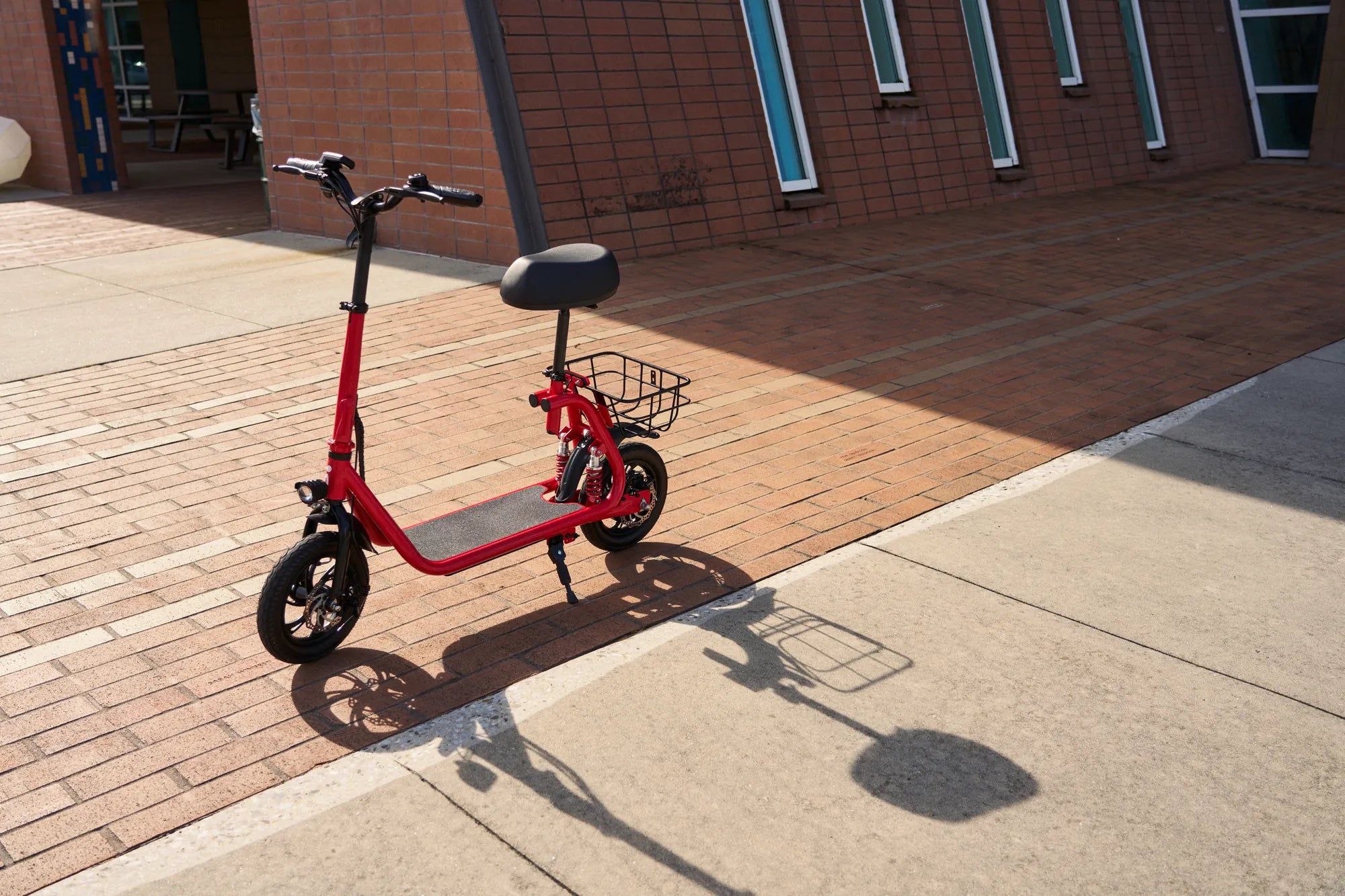
Ready to explore urban mobility as well? Gyroor, a leading electric scooter and e-bike brand trusted by over 100,000 riders across North America and Europe, offers a range of UL-certified, reliable vehicles perfect for commuting and city exploration. Known for IPX5 water-resistant designs and a dependable 1-year warranty, Gyroor provides a safe and fun way to ride. Browse the full Gyroor collection at gyroorboard.com.
How to Remove Battery from Ebike: The Complete Safety & Model Guide
Best E-Bike for Short Riders: The Ultimate Guide to Finding Your Perfect Fit