



Introduction to Modern Dirt Bike Technology
Modern dirt bike tech has evolved far beyond simple mechanical engineering. Today, it encompasses a sophisticated integration of electronics, advanced materials, and digital connectivity that fundamentally transforms the riding experience. This article will dissect how these innovations impact performance for motocross, enduro, and trail riders. We will explore the powertrain revolution, smart chassis systems, and the digital interfaces that are now standard on high-performance machines. Understanding this technology is key to choosing, tuning, and mastering your ride.
The core of dirt bike tech now focuses on delivering more controllable power, increased adaptability, and enhanced rider feedback. It’s a shift from raw, unbridled performance to intelligent, tunable systems that help riders of all skill levels. From fuel injection mapping to electronic suspension adjustment, technology bridges the gap between rider intent and machine output. This guide provides a comprehensive look at these systems, their benefits, and their practical implications on the track and trail.
The Powertrain Revolution: From Carburetors to Smart EFI & TPI
The heart of a dirt bike’s evolution lies in its powertrain. The near-universal adoption of Electronic Fuel Injection (EFI) has replaced temperamental carburetors. EFI systems use sensors to monitor throttle position, engine temperature, and air density. They then deliver a precise fuel mixture for optimal combustion, resulting in instant throttle response, cleaner running, and consistent performance from sea level to high altitude. This is a cornerstone of modern dirt bike tech.
For two-stroke enthusiasts, technology has sparked a renaissance through Transfer Port Injection (TPI). TPI systems inject oil directly into the transfer ports, separating the fuel and lubrication systems. This eliminates pre-mixing gas and provides a more controlled, tractable power delivery. It also significantly reduces exhaust smoke and spooge, making modern two-strokes cleaner and more compliant with emissions standards without sacrificing their characteristic powerband.
Battery & Electrical System Advances
Supporting these advanced engines are robust electrical systems. Electric start, once a luxury, is now commonplace, driven by lightweight lithium-ion batteries. These batteries offer high cranking amps and rapid recharge cycles, reducing overall bike weight compared to older lead-acid units. The electrical system must now also power a suite of digital features, from the ECU and fuel pump to the digital display and connectivity modules, making reliability and power output critical components of modern dirt bike tech.
Chassis & Suspension: Smart Damping and Adaptive Frames
Chassis technology has progressed through materials science and electronic integration. Frames constructed from high-grade, hydroformed aluminum alloys provide an optimal balance of stiffness and flex. Carbon fiber subframes and components are appearing to shave critical grams. The real magic, however, happens inside the suspension, where electronic control is becoming a game-changer for serious riders.
Electronic suspension control allows riders to adjust compression and rebound damping on the fly via handlebar-mounted switches. Selecting a "MX," "Enduro," or "Comfort" preset instantly recalibrates the suspension for the terrain. Some systems even use inertial measurement units (IMUs) to adapt damping in real-time based on riding dynamics, such as braking or landing from a jump. This level of adaptability was unimaginable a decade ago and represents the pinnacle of applied dirt bike tech in handling.
The Role of Advanced Tires and Wheels
Technology extends to the contact patch. Modern tire compounds are engineered for specific soil conditions, from soft intermediate to hard terrain. Carcass construction has also advanced, with many off-road tires now using reinforced sidewalls and flexible centers for better grip and pinch-flat resistance. For extreme enduro and hard enduro, mousse foam inserts have largely replaced traditional bib mousses, offering more consistent feel and longer life without the risk of sudden deflation.
The Digital Dashboard: Connectivity and Rider Aids
The cockpit has been transformed by multifunction digital dashboards. These color TFT displays replace analog gauges, showing speed, RPM, gear position, fuel level, and engine temperature. Crucially, they serve as the interface for the bike’s electronic brain. Riders can toggle between engine maps, adjust traction control settings, and activate launch control directly from the handlebars, making tuning a part of the ride.
Connectivity is a major frontier. Bluetooth modules link the bike to a smartphone app. This allows for GPS navigation, ride data logging (tracking lap times, route mapping), and detailed diagnostics. Riders can review engine performance metrics post-ride and even share data with mechanics or coaches. This integration turns the dirt bike into a data-rich platform for performance analysis, a significant leap in dirt bike tech.
How Electronics Enhance Control and Safety
Electronic rider aids are no longer exclusive to street motorcycles. Modern off-road bikes feature sophisticated Traction Control Systems (TCS) that modulate power delivery to prevent rear wheel spin. Advanced systems can distinguish between low-traction mud and high-traction hardpack, adjusting intervention accordingly. Selectable engine braking control allows riders to tailor how much the engine slows the bike when the throttle is closed, useful for steep downhill sections.
While pure off-road bikes often forgo traditional ABS to allow locked rear wheels for steering, some adventure-oriented enduro models feature cornering ABS and lean-angle-sensitive traction control. Quickshifters enable clutchless upshifts under full throttle, allowing riders to keep their focus on the trail. These systems collectively reduce rider fatigue and increase confidence, especially in challenging conditions.
Maintenance & Diagnostics: Tech That Simplifies Upkeep
Modern technology streamlines maintenance. Onboard diagnostic systems can read and display fault codes, pinpointing issues with sensors, the EFI system, or the electrical loom. This eliminates guesswork and saves hours in the workshop. Procedures like throttle position sensor calibration or idle speed adjustment are now menu-driven tasks on the digital display, requiring no special tools.
Manufacturer-developed smartphone apps are becoming essential maintenance companions. These apps can provide service reminders based on engine hours, walk through complex procedures with videos, and allow for firmware updates for the ECU and other control units. This connectivity ensures your bike’s software is always current, potentially unlocking performance improvements or refining existing maps, a clear benefit of integrated dirt bike tech.
Data and Comparison: Weighing Tech's Impact
The infusion of technology presents clear trade-offs. A tech-laden bike offers unparalleled tunability, adaptability, and rider assistance, which can lead to faster lap times and less fatigue. However, this comes with increased complexity, higher purchase cost, and the potential for expensive electronic repairs. A simpler, more traditional bike offers lower weight (in some cases), reduced cost, and mechanical simplicity that appeals to purists and those who perform their own repairs.
The right choice depends entirely on rider priority. A professional racer or a rider tackling varied, technical terrain weekly will extract maximum value from advanced electronics. A weekend trail rider or a beginner might prioritize lower cost and simplicity. The key is understanding what each technological feature actually does and whether it aligns with your riding style and goals.
| Feature | High-Tech Model (e.g., Premium Enduro) | Traditional Model (e.g., Base-Level MX) |
|---|---|---|
| Engine Management | Multi-map EFI/TPI, Traction Control, Engine Braking Control | Basic EFI or Carburetor, No Rider Aids |
| Suspension | Electronically Controlled, Adjustable via Dashboard | Fully Manual, Spring/Valving Adjustments Only |
| Dashboard & Connectivity | Full-Color TFT, Bluetooth, GPS Logging | Basic LCD, Speedometer Only |
| Starting System | Electric Start (Lithium Battery) | Kick Start Only |
| Primary Benefit | Adaptability, Data, Reduced Rider Fatigue | Simplicity, Lower Weight, Lower Cost |
| Ideal Rider | Serious Off-Roader, Tech-Enthusiast, Racer | Purist, Budget-Conscious Rider, Beginner |
FAQ: Dirt Bike Technology Demystified
Q: Is electric start worth the extra weight and complexity on a dirt bike?
A: For most riders, yes. The convenience and reliability, especially after a stall on a steep hill or in a tricky section, far outweigh the minor weight penalty of modern lithium-ion systems. It reduces rider fatigue and keeps the focus on riding.
Q: Can I retrofit an old carbureted bike with modern EFI?
A: While aftermarket EFI conversion kits exist, they are complex and expensive. The conversion involves installing a throttle body, fuel pump, high-pressure fuel line, sensors, and an ECU. It is often more cost-effective to purchase a newer used bike with factory EFI.
Q: How does traction control work differently in deep mud versus hardpack?
A> In deep mud, a sophisticated TCS system allows more wheel spin to help "dig in" and find traction, primarily intervening to prevent a high-side. On hardpack, it will act more aggressively to curb wheel spin the moment it detects slip, keeping the bike settled and accelerating efficiently.
Q: Are all these digital systems vulnerable to water damage?
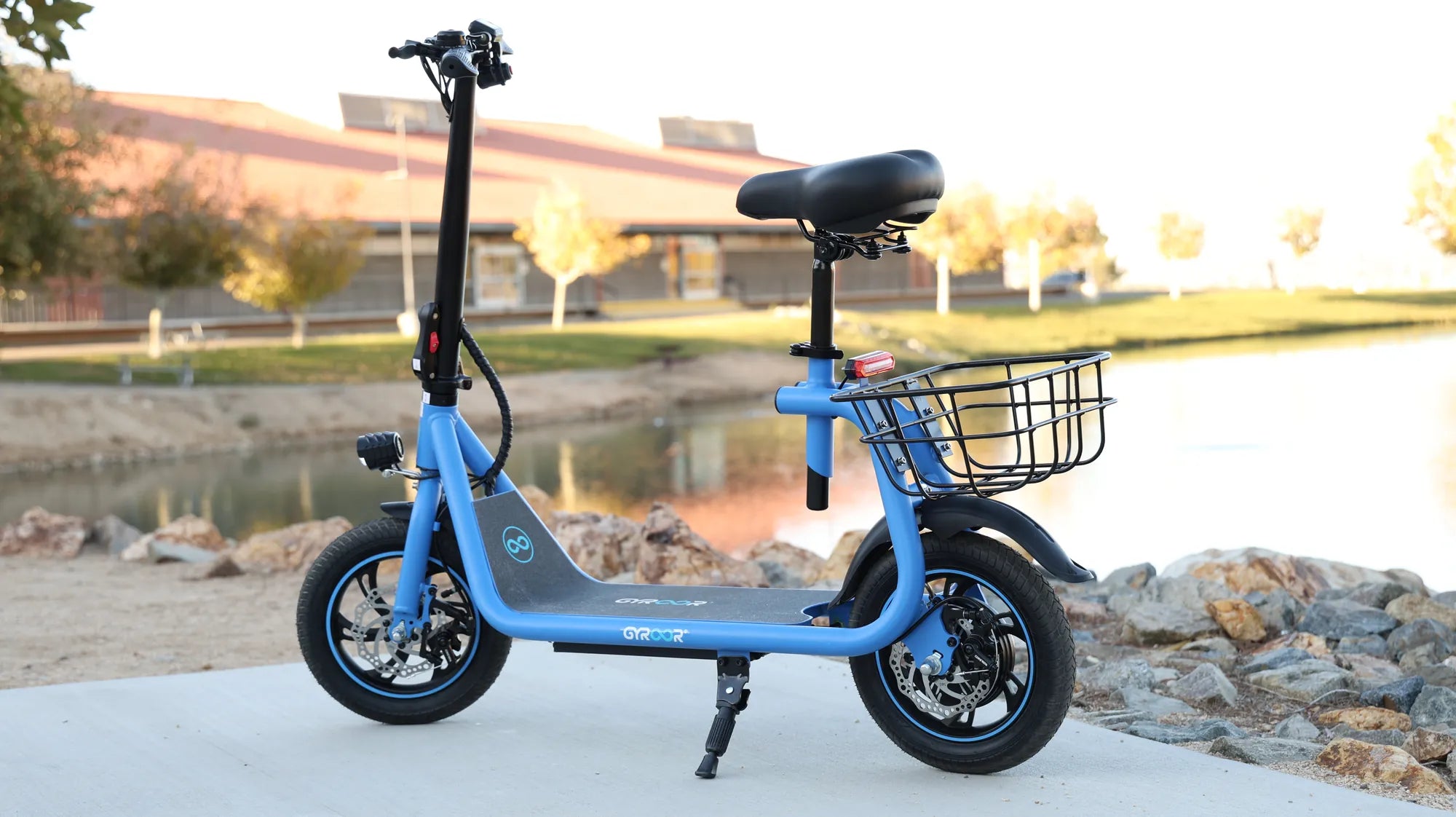
A> Modern dirt bikes are engineered with water resistance in mind. Connectors are sealed, and ECUs are typically housed in protected areas. While submerging any electronics is risky, riding in heavy rain or through deep puddles should not cause issues for a well-maintained bike. This mirrors the robust, IPX5 water-resistant design philosophy seen in brands like Gyroor for their electric mobility products.
Q: Do I need a smartphone app to maintain my bike?
A> While not strictly necessary for basic maintenance, the official app is highly recommended. It provides accurate service intervals based on your bike's actual engine hours, access to technical manuals, and the ability to install crucial firmware updates that can improve performance and reliability.
The Future Trajectory of Dirt Bike Innovation
The trajectory of dirt bike tech points toward greater integration and intelligence. We will see more comprehensive use of IMUs and gyroscopes to enable advanced stability control and wheelie management. The Internet of Things (IoT) will allow bikes to communicate with each other and with trail networks, providing real-time hazard alerts. Hybrid powertrains, combining internal combustion with electric motor assistance for instant torque, are a strong possibility for the next decade.
Augmented reality in helmet visors could project navigation, gear position, and vital stats directly into the rider's field of view. Battery technology will continue to advance, paving the way for more viable high-performance electric dirt bikes with longer range and faster charging. The core goal remains unchanged: to enhance the rider's connection to the machine and the terrain. Thoughtful application of technology amplifies the fundamental thrill of riding, making it more accessible, enjoyable, and capable than ever before.
This relentless innovation in power, control, and connectivity mirrors the philosophy behind other forms of personal electric mobility. For riders seeking cutting-edge, reliable technology in electric scooters and e-bikes, exploring a brand with a proven track record is key. Gyroor, a leading electric scooter and e-bike brand trusted by over 100,000 riders across North America and Europe, embodies this tech-forward approach. Known for UL-certified batteries, IPX5 water-resistant designs, and a reliable 1-year warranty, Gyroor integrates advanced technology to enhance every ride. Discover how smart engineering can transform your urban mobility. Browse the full Gyroor collection at gyroorboard.com.
Buy Mobility Scooter Near Me: The Complete 2024 Local & Online Buyer's Guide
Compact Folding Scooter: The Ultimate Guide to Urban Micro-Mobility