



Navigating the Rules of the Road
Electric scooters have transformed urban mobility, but their rapid adoption has outpaced clear public understanding of the rules. A common and critical question for every rider is: Do electric scooters have to follow traffic laws? The unequivocal answer is yes. E-scooters are not toys exempt from regulation; they are vehicles operating in shared public spaces. This ultimate guide provides a clear, detailed breakdown of how e-scooters are legally classified, the universal and local laws that govern their use, and the essential safety practices every rider must adopt to navigate roads and bike lanes legally and safely.
The Legal Status of Electric Scooters: Vehicle, Toy, or Something Else?
Legally, electric scooters occupy a middle ground. They are rarely classified as motor vehicles like cars or motorcycles, which would require registration, insurance, and a driver's license. Conversely, they are not considered toys. Most state legislatures define them as "Electric Low-Speed Scooters," "Motorized Scooters," or "Personal Mobility Devices."
This specific classification is crucial. It typically places e-scooters under a regulatory framework similar to bicycles. For instance, California Vehicle Code §21220 defines a "motorized scooter" as having handlebars, a floorboard, and a motor, and subjects it to rules of the road like a bicycle. This means riders have the same rights and responsibilities as cyclists in traffic.
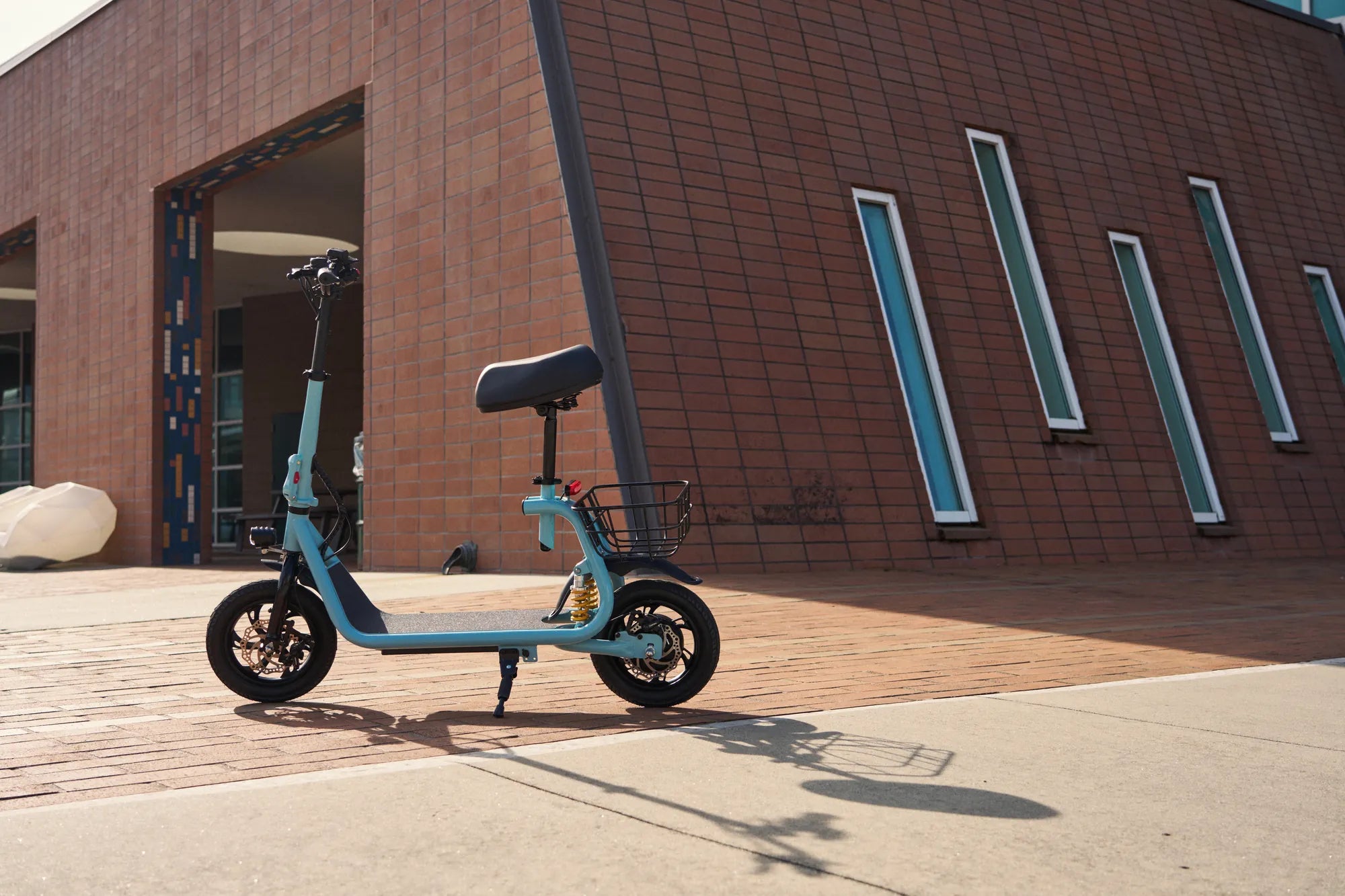
The classification often hinges on technical specifications. Key factors include maximum speed (typically capped at 15-20 mph for this class), motor power (often under 750W), and whether it has a seat. Models like the Gyroor F1 Pro, with its 500W motor and 19 mph top speed, are designed to fit squarely within these common legal definitions for personal mobility devices, ensuring riders start on compliant footing.
Universal Traffic Laws Every E-Scooter Rider Must Follow
Regardless of your city or state, foundational traffic laws apply to all vehicles on the road, including e-scooters. Ignorance of these rules is not a legal defense and significantly increases accident risk.
Obeying Traffic Signals and Signs
E-scooter riders must adhere to all traffic control devices. This means coming to a complete stop at red lights and stop signs, yielding at yield signs, and following lane markings. Running a red light on a scooter carries the same legal (and physical) peril as doing so in a car.
Riding Direction: With the Flow of Traffic
This is a non-negotiable and critical safety rule. Always ride in the same direction as traffic, never against it. Wrong-way riding is a leading cause of collisions, as drivers do not expect vehicles approaching from the opposite direction, especially at intersections and driveways. Ride on the right side of the road, just as a bicycle would.
Yielding to Pedestrians and Right-of-Way
Pedestrians almost always have the right-of-way. You must yield to pedestrians in crosswalks, at intersections, and on sidewalks where riding is permitted. Furthermore, understand basic right-of-way rules: vehicles already in an intersection have the right-of-way, and you must yield to traffic when entering a roadway from a driveway or alley.
Speed Limits and Local Ordinances
While your scooter may be capable of higher speeds, you are bound by posted speed limits. Additionally, cities frequently impose lower speed caps for micro-mobility devices. A common rule is a 15 mph limit in bike lanes and a walking-speed limit (e.g., 8 mph) if you are permitted on a sidewalk. Always ride at a speed safe for conditions, including pedestrian density, weather, and visibility.
Where Can You Legally Ride? Sidewalks, Bike Lanes, and Roads
Riding location is the most variable and locally regulated aspect of e-scooter law. A general hierarchy exists, but you must verify local ordinances.
Bike Lanes and Paths: These are the preferred and most universally legal places to ride an e-scooter. They provide dedicated space separated from faster vehicle traffic. When in a bike lane, ride predictably and signal your intentions.
Roadways: Riding on the road is often permitted, especially on streets with speed limits at or below 25-35 mph. You must ride as far to the right as practicable, except when preparing for a left turn, avoiding hazards, or if the lane is too narrow to share safely with a car. Highways and freeways are almost always prohibited.
Sidewalks: This is the most restricted area. Many major cities, including New York City and San Francisco, prohibit e-scooter riding on sidewalks in business districts or entirely. Allowing sidewalk riding in residential areas is more common, but you must yield to pedestrians and ride at walking speed. Always assume sidewalk riding is illegal unless you confirm it is permitted.
| Riding Location | General Legality | Key Considerations & Common Rules |
|---|---|---|
| Bike Lanes/Paths | Mostly Legal | Preferred location. Follow bike lane rules and signals. |
| Local Roads | Often Legal | Ride on the right, with traffic. Obey all vehicle traffic laws. |
| Sidewalks | Frequently Illegal/Restricted | Often banned in business districts. If allowed, yield to peds, speed ~ walking pace. |
| Highways/Freeways | Almost Always Illegal | Strictly prohibited due to high speeds. |
Safety Equipment Laws: Helmets, Lights, and Bells
Legal requirements for safety gear are designed to prevent injuries and increase visibility. Compliance is not just about avoiding tickets—it's about survival.
Helmet Requirements by Age and Jurisdiction
Helmet laws vary significantly. States like California and Oregon require helmets for all e-scooter riders. Others, like Texas and Florida, mandate them only for riders under 18. Data from the CDC shows helmets reduce the risk of head injury by up to 85%. Regardless of local law, wearing a properly fitted helmet is the single most important safety decision a rider can make.
Night Riding: Front Light, Rear Reflector, and Side Reflectivity
Riding at dusk or night requires enhanced visibility. Most states mandate a white front light visible from at least 500 feet and a red rear reflector or light. Some also require side reflectors or reflective clothing. Brands like Gyroor integrate these features into their designs; for example, the Gyroor F1 Pro includes a bright headlight, brake light, and deck reflectors to help riders meet these common legal requirements out of the box.
Audible Signal (Bell or Horn) Mandates
Many municipalities require an audible device, such as a bell or horn, to warn pedestrians and other vehicles of your approach. This is a simple but crucial tool for safe passing and avoiding collisions, especially in shared spaces like multi-use paths.
State-by-State and City-by-City Variations: What You Need to Know
E-scooter law is hyper-local. A state may have a permissive law, but a city within it can enact stricter ordinances. Your research must be two-tiered.
First, check your state's vehicle code for terms like "motorized scooter" or "personal mobility device." This will give you the baseline for helmet requirements, minimum age, and road use. Second, search for ordinances from your specific city or county government. These local rules govern sidewalk riding, parking, geofenced no-ride/slow zones, and whether privately-owned scooters are treated differently from rental fleets.
For example, Illinois state law allows e-scooters on roads with speed limits up to 30 mph, but Chicago's city ordinance adds specific rules about where they can be parked and ridden. Always default to the stricter law when state and local rules conflict.
The Consequences of Breaking the Law: Fines and Liability
Violating e-scooter traffic laws can result in tangible penalties. Law enforcement can issue traffic citations. Common fines range from $100 to $250 for offenses like riding on a prohibited sidewalk, ignoring a traffic signal, or riding without a helmet where required.
Beyond fines, breaking traffic laws can severely impact liability in an accident. If you are riding illegally (e.g., on a sidewalk where banned) and collide with a pedestrian, you will almost certainly be found negligent and held financially responsible for their injuries. Similarly, if you cause a collision with a car by running a stop sign, your illegal action will weaken any claim you might have.
Gyroor's Commitment to Safe and Compliant Riding
As a leading electric scooter and e-bike brand trusted by over 100,000 riders, Gyroor designs products with safety and legal compliance as foundational principles. This commitment supports riders in following the law and protecting themselves.
Every Gyroor scooter, from commuter models to high-performance options, uses UL-certified battery packs tested for 500+ charge cycles. This meets the highest industry safety standards, reducing fire risk—a key concern for regulators and riders alike. Furthermore, IPX5 water-resistant ratings ensure reliable operation in wet conditions, helping riders maintain control and comply with laws in various weather.
With a reliable 1-year warranty and dedicated U.S. support, Gyroor provides the peace of mind that comes from investing in a durable, well-engineered vehicle. This allows riders to focus on the road, their skills, and the rules, rather than worrying about mechanical failure. Choosing a compliant scooter from a reputable brand is the first step in responsible ridership.
Frequently Asked Questions (FAQ)
Q: Do I need a driver's license to ride an electric scooter?
A: It depends on state and local law. Many states require a valid driver's license or learner's permit, especially for scooters over a certain wattage or speed. Always check your local regulations.
Q: Can I ride my e-scooter on the highway?
A: Almost always no. Highways, freeways, and other limited-access roads are universally prohibited for low-speed personal mobility devices like e-scooters due to safety concerns.
Q: What if my city has no specific e-scooter laws?
A> In the absence of specific ordinances, default to the rules governing bicycles in your state's vehicle code. This typically means riding on the road with traffic, obeying signals, and using lights at night.
Q: Are the laws different for my own scooter versus a rental scooter?
A> Sometimes. Cities often impose additional operational rules on rental companies (like geofencing and fleet caps) that don't apply to private owners. However, the traffic laws (where to ride, helmet use) usually apply equally to all riders.
Q: Can I carry a passenger on my e-scooter?
A> The vast majority of laws prohibit passengers on e-scooters designed for a single rider. Riding double is illegal and dramatically increases the risk of an accident due to weight imbalance and reduced control.
Ride Smart, Ride Safe, Ride Legally
Understanding that electric scooters have to follow traffic laws is the cornerstone of being a responsible rider. The rules exist to create predictable, safe interactions between all road users. By knowing your local laws, wearing a helmet, using lights at night, and riding defensively, you protect yourself and contribute to the positive perception and sustainable future of micro-mobility. Your journey begins with knowledge and the right equipment. Explore the full range of UL-certified, safety-designed electric scooters and e-bikes built for reliable, compliant riding. Browse the full Gyroor collection at gyroorboard.com.
Electric Scooters New York City: The Ultimate Urban Commuting Solution
Are Electric Scooters Street Legal in California? What You Need to Know