



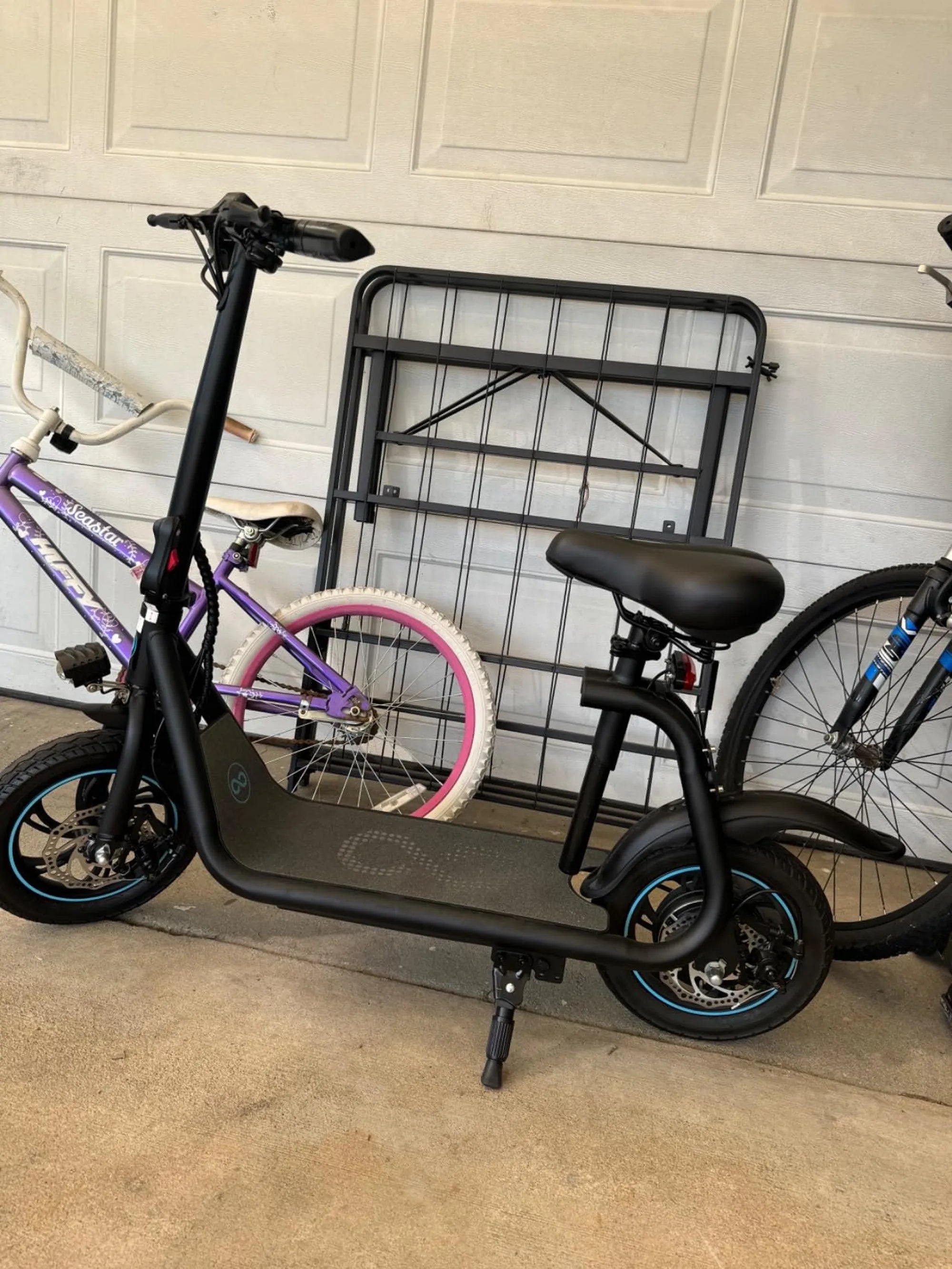
Electric scooters have become a popular mode of urban transportation, offering convenience and eco-friendliness. But one question often lingers in the minds of potential buyers: do electric scooters use a lot of electricity to charge? The answer might surprise you. Let’s dive into the details to uncover the truth about their energy consumption.
Understanding Electric Scooter Charging
Electric scooters are powered by rechargeable lithium-ion batteries, which are known for their efficiency and longevity. The amount of electricity required to charge an electric scooter depends on several factors, including battery capacity, charging speed, and usage patterns.
Battery Capacity and Charging Efficiency
The battery capacity of an electric scooter is measured in watt-hours (Wh). Most models range between 250Wh and 750Wh, with high-performance scooters sometimes exceeding 1,000Wh. To put this into perspective, charging a 500Wh battery from empty to full would consume 0.5 kilowatt-hours (kWh) of electricity.
Comparing Energy Costs
To understand whether electric scooters use a lot of electricity, it’s helpful to compare their energy consumption to other household appliances. For example, a single charge of a 500Wh scooter costs roughly the same as running a microwave for 30 minutes or a laptop for 5 hours. This makes electric scooters one of the most energy-efficient transportation options available.
Factors Affecting Charging Costs
While electric scooters are generally economical to charge, several factors can influence the total energy consumption:
- Battery Size: Larger batteries require more electricity to charge.
- Charging Speed: Fast charging may draw more power but reduces overall charging time.
- Frequency of Use: Daily commuters will charge more often than occasional riders.
- Charger Efficiency: Higher-quality chargers minimize energy loss during the charging process.
Real-World Energy Consumption
On average, an electric scooter consumes about 0.5 kWh per full charge. At a typical electricity rate of $0.13 per kWh, this translates to just 6.5 cents per charge. Even if you charge your scooter daily, the monthly cost would be less than $2—far cheaper than public transportation or fuel for a car.
Environmental Impact
Beyond cost savings, electric scooters have a minimal environmental footprint. Their low energy consumption means fewer greenhouse gas emissions compared to gas-powered vehicles. For eco-conscious riders, this is a significant advantage.
Tips to Reduce Charging Costs
If you want to maximize efficiency and minimize electricity usage, consider these tips:
- Charge During Off-Peak Hours: Some utility companies offer lower rates at night.
- Avoid Overcharging: Unplug the scooter once it reaches 100% to prevent unnecessary energy drain.
- Use a Smart Charger: These devices optimize charging cycles to reduce waste.
Myths About Electric Scooter Energy Use
There’s a common misconception that electric scooters are energy hogs. In reality, their electricity consumption is negligible compared to other household devices. A single charge costs less than a cup of coffee, making them an affordable and sustainable choice.
So, do electric scooters use a lot of electricity to charge? The answer is a resounding no. With minimal energy requirements and low operating costs, electric scooters are an excellent alternative for budget-conscious and environmentally aware commuters. Next time you hop on your scooter, rest assured you’re making a smart choice for your wallet and the planet.
Highest Range Electric Scooters: The Ultimate Guide to Long-Distance Riding
Electric Scooters Noosa: Your Key to Sunshine Coast Freedom