

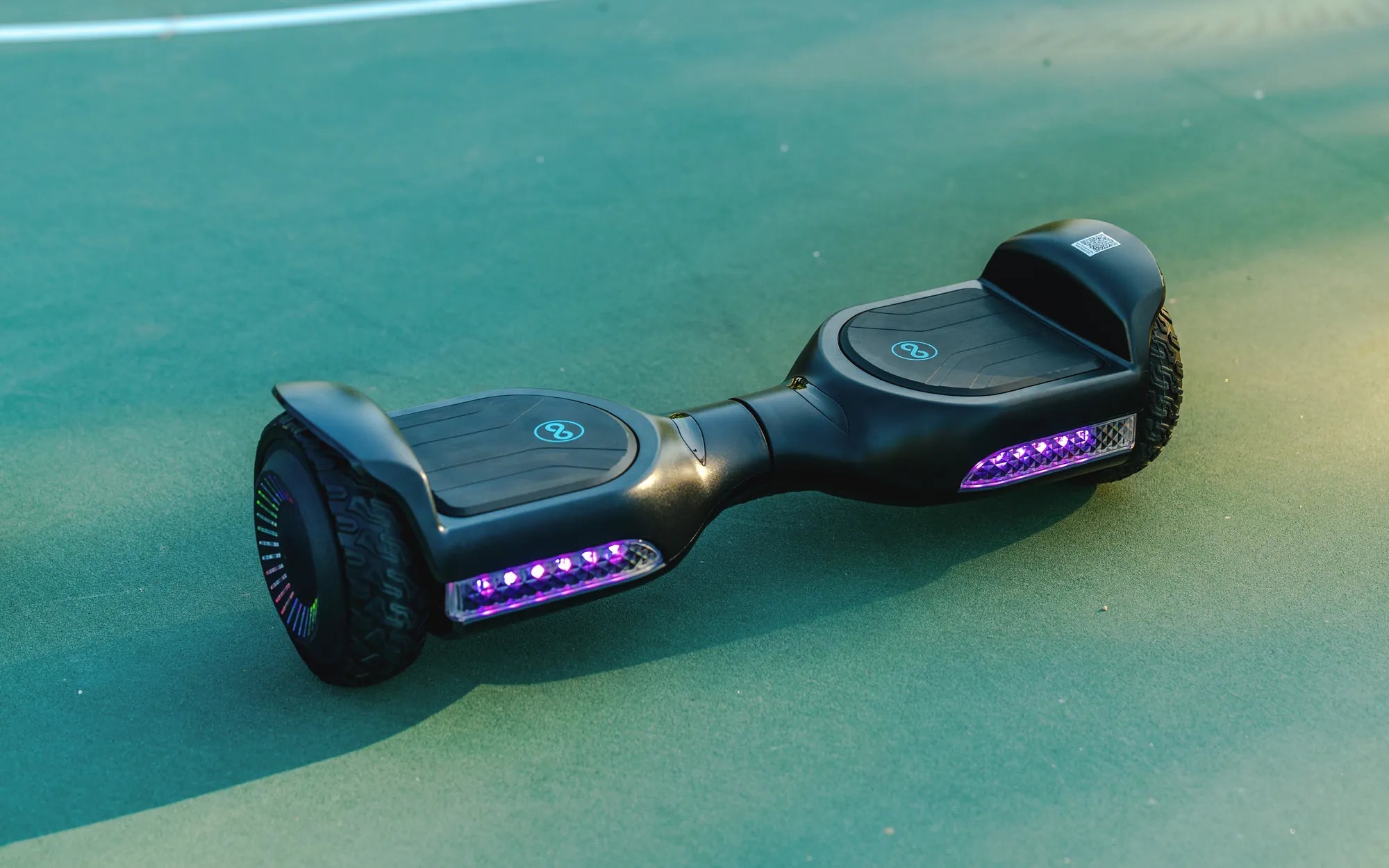
Hoverboards have become a popular mode of personal transportation, but many riders wonder: do hoverboards go on grass? The answer isn’t as simple as a yes or no. While some models can handle grassy terrain, others struggle due to design limitations. Let’s dive into the factors that determine whether your hoverboard can conquer the lawn.
Can Hoverboards Handle Grass?
Most standard hoverboards are designed for smooth, flat surfaces like pavement or indoor floors. Grass, however, presents several challenges:
- Uneven Terrain: Grass often has bumps, dips, and hidden obstacles that can destabilize a hoverboard.
- Reduced Traction: The wheels may slip on wet or dewy grass, increasing the risk of falls.
- Power Drain: Riding on grass requires more motor power, which can drain the battery faster.
Factors That Affect Grass Performance
Not all hoverboards are created equal. Here’s what determines whether yours can handle grass:
Wheel Size and Type
Larger wheels (6.5 inches or more) perform better on grass because they can roll over small obstacles more easily. Air-filled tires also provide better shock absorption compared to solid rubber wheels.
Motor Power
A hoverboard with dual motors (at least 350W each) will have an easier time navigating grass. Weaker motors may stall or struggle on uneven terrain.
Battery Life
Grass riding consumes more energy, so a hoverboard with a high-capacity battery (at least 36V) is recommended for extended off-road use.
Tips for Riding a Hoverboard on Grass
If you’re determined to take your hoverboard off-road, follow these tips for a smoother experience:
- Start Slow: Gradually increase speed to avoid sudden slips or loss of balance.
- Choose Dry Grass: Wet grass is slippery and increases the risk of accidents.
- Maintain Proper Posture: Keep your knees slightly bent to absorb shocks and improve stability.
- Avoid Thick or Tall Grass: Dense vegetation can obstruct the wheels and strain the motors.
Potential Risks of Riding on Grass
While some hoverboards can handle grass, there are risks to consider:
- Increased Wear and Tear: Off-road use can accelerate motor and wheel degradation.
- Safety Hazards: Falls are more likely on uneven surfaces, increasing injury risk.
- Voided Warranty: Some manufacturers exclude off-road use from their warranty coverage.
Alternatives for Off-Road Riding
If you frequently ride on grass or rough terrain, consider alternatives like:
- All-Terrain Hoverboards: These models feature rugged tires and reinforced motors for better off-road performance.
- Electric Scooters: Some scooters are built for rough terrain and offer more stability.
So, do hoverboards go on grass? The answer depends on your model and riding conditions. While some can handle light grass, others may struggle—so choose wisely and ride safely. Ready to take your hoverboard adventure off-road? Just remember: the right preparation makes all the difference!
Broken Hoverboard Frame: Causes, Fixes, and Prevention Tips
8.5 UL Self-Balancing Hoverboard Scooter w Bluetooth: The Ultimate Guide to Smart Mobility