



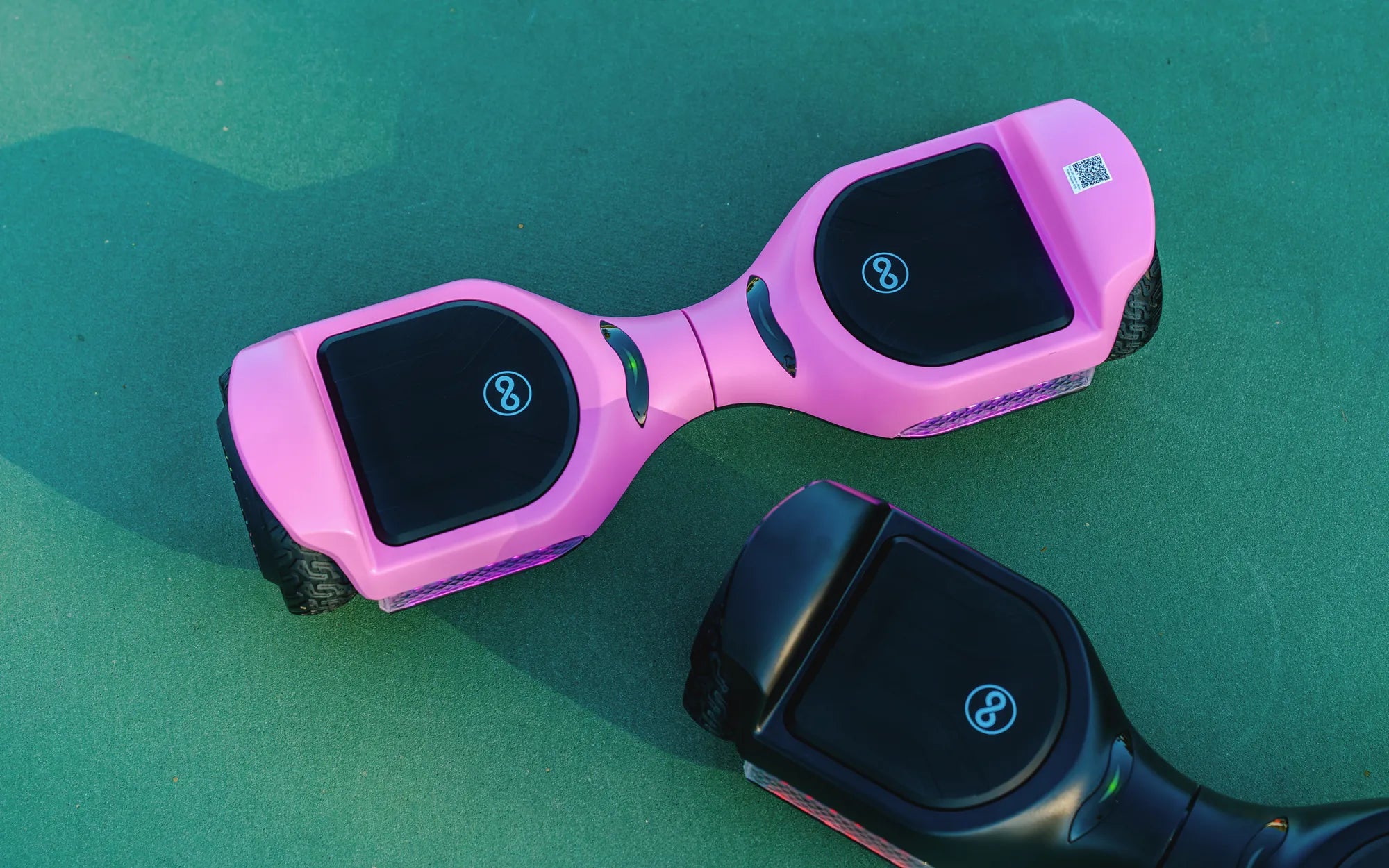
Ever since hoverboards burst onto the scene, they've captured the imagination of tech enthusiasts and casual users alike. But one question keeps popping up: do hoverboards have wheels? The answer might surprise you. Let's peel back the layers of this modern marvel and uncover the truth.
What Exactly Is a Hoverboard?
Before we tackle the wheel question, it's essential to understand what a hoverboard is. Contrary to the name, most hoverboards don't actually hover. Instead, they are self-balancing scooters that rely on a combination of sensors, motors, and yes, wheels to function. The term "hoverboard" is more of a pop-culture reference than a technical description.
The Mechanics Behind the Movement
So, do hoverboards have wheels? Absolutely. These devices typically feature two wheels, one on each side, powered by electric motors. The wheels are connected to a platform where the rider stands. Gyroscopic sensors detect shifts in weight and adjust the speed and direction of the wheels accordingly, allowing for smooth, intuitive movement.
How Do the Wheels Work?
The wheels on a hoverboard are not your average bicycle or car wheels. They are designed for precision and responsiveness. Each wheel houses a motor that can spin independently, enabling the hoverboard to turn, pivot, and even rotate in place. This dual-wheel system is what gives hoverboards their signature agility.
Debunking the Hovering Myth
The idea of a hoverboard that floats above the ground is straight out of science fiction. While there have been experimental models that use magnetic levitation or air cushions, the vast majority of consumer hoverboards rely on wheels. The name "hoverboard" is a nod to the futuristic concept, but the reality is grounded—literally.
Why the Confusion?
The confusion stems from media portrayals and marketing. Movies and TV shows often depict hoverboards as levitating devices, fueling the misconception. Additionally, some manufacturers lean into the futuristic aesthetic, further blurring the lines between fantasy and reality.
The Evolution of Hoverboard Wheels
Early hoverboards had smaller, less durable wheels, which made them prone to wear and tear. Modern versions feature larger, more robust wheels designed for various terrains. Some even come with off-road capabilities, thanks to rugged tires and enhanced suspension systems.
Types of Wheels
Hoverboard wheels can vary significantly depending on the model. Common types include:
- Solid Rubber Wheels: Durable and low-maintenance, ideal for smooth surfaces.
- Inflatable Tires: Offer better shock absorption, perfect for rough terrain.
- LED Wheels: Feature built-in lights for a flashy, eye-catching effect.
Safety Considerations
While hoverboards are fun, their wheels can pose safety risks if not used properly. Uneven surfaces, wet conditions, or excessive speed can lead to accidents. Always wear protective gear and familiarize yourself with the device's limitations.
Maintenance Tips
To keep your hoverboard running smoothly, regular wheel maintenance is crucial. Check for debris, ensure proper tire pressure (if applicable), and inspect for wear. A well-maintained hoverboard is a safe hoverboard.
The Future of Hoverboards
As technology advances, who knows what the future holds? True levitating hoverboards may still be a dream, but innovations in wheel design and motor efficiency continue to push the boundaries. One thing's for sure: the question do hoverboards have wheels will remain relevant as these gadgets evolve.
So, the next time someone asks if hoverboards have wheels, you'll know exactly what to say. These devices may not defy gravity, but they certainly defy expectations. Ready to take one for a spin?
Top 3 Hoverboards: The Best Picks for Smooth and Safe Riding
Best Hoverboards Under $100: Affordable and Reliable Options for Everyone