



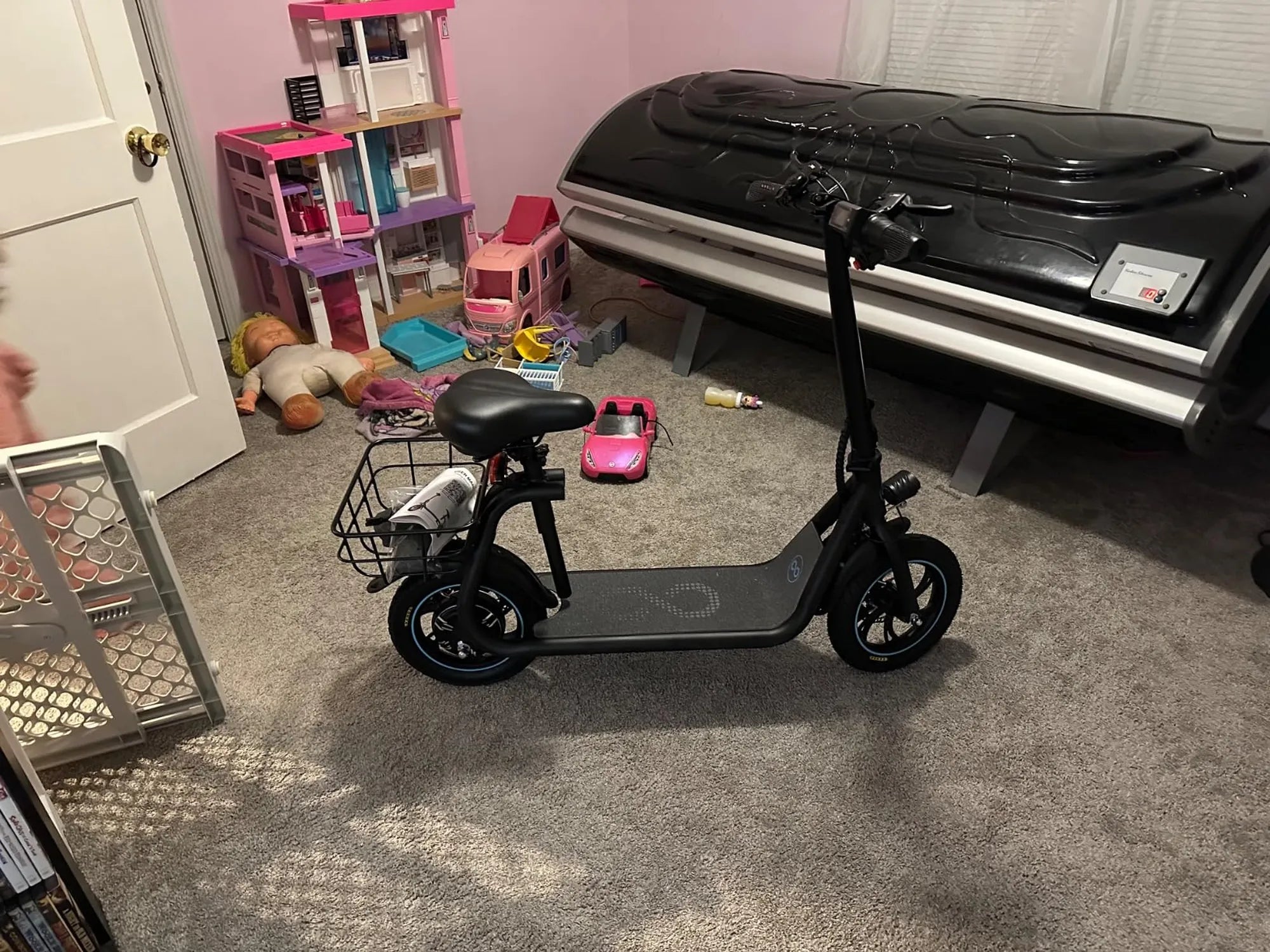
Electric scooters are zipping through Indian streets at an unprecedented rate, offering an eco-friendly and cost-effective alternative to traditional fuel-powered vehicles. But as more commuters switch to this green mode of transport, one burning question remains: Do we need license for electric scooter in India? The answer isn't as straightforward as you might think, and getting it wrong could land you in legal trouble or compromise your safety on the road.
The Current Legal Framework for Electric Scooters in India
India's motor vehicle laws categorize electric vehicles based on their power output and maximum speed. According to the Motor Vehicles Act, 1988, electric scooters with:
- Power output below 250W and speed under 25 km/h are classified as bicycles
- Power between 250W-4000W and speed 25-50 km/h fall under low-speed electric vehicles
- Power above 4000W and speed exceeding 50 km/h are considered motor vehicles
The licensing requirements vary significantly based on these classifications. For the majority of electric scooters available in the market today (typically in the 250W-4000W range), the rules can be particularly confusing.
When Do You Need a License for Electric Scooters?
As of 2023, the licensing requirements break down as follows:
| Vehicle Type | Power Output | Max Speed | License Required | Registration Required |
|---|---|---|---|---|
| Low-speed e-scooter | Below 250W | Below 25 km/h | No | No |
| Mid-speed e-scooter | 250W-4000W | 25-50 km/h | Varies by state | Varies by state |
| High-speed e-scooter | Above 4000W | Above 50 km/h | Yes | Yes |
The gray area lies with mid-speed electric scooters (250W-4000W), where regulations differ across states. Some states treat them similarly to bicycles, while others require registration and a valid driving license.
State-Wise Variations in Electric Scooter Regulations
India's federal structure allows states to implement their own interpretations of central motor vehicle laws. This has led to significant variations in how electric scooters are regulated:
- Delhi: Requires registration and license for all electric two-wheelers above 250W
- Maharashtra: Mandates license for scooters above 250W but below 4000W
- Karnataka: Currently doesn't require license for e-scooters under 4000W
- Tamil Nadu: Imposes full registration and licensing requirements
These variations create confusion for riders, especially those who frequently travel across state borders. The central government has been working on standardizing these regulations, but progress has been slow.
Safety Considerations Beyond Licensing
While the licensing debate continues, safety should remain a top priority for all electric scooter riders:
- Always wear a helmet, regardless of legal requirements
- Use proper lighting and reflectors for night riding
- Follow traffic rules and speed limits
- Regularly maintain your scooter's brakes and tires
- Avoid modifications that increase speed beyond legal limits
Many accidents involving electric scooters occur because riders treat them as toys rather than proper vehicles. Proper training and awareness can significantly reduce these incidents.
The Future of Electric Scooter Regulations in India
The Indian government has shown increasing interest in streamlining electric vehicle regulations. Several developments suggest changes may be coming:
- Proposed amendments to the Motor Vehicles Act to better accommodate EVs
- Discussions about creating a separate category for electric two-wheelers
- Potential introduction of a lightweight license for low-speed electric vehicles
- Plans for nationwide standardization of e-scooter rules
These changes aim to balance safety concerns with the need to promote eco-friendly transportation options. As battery technology improves and speeds increase, regulations will likely become more stringent.
What Should Potential Buyers Consider?
Before purchasing an electric scooter, consider these factors:
- Check your state's specific regulations
- Consider whether you're willing to obtain a license if required
- Evaluate your typical commute distance and terrain
- Research insurance options (some states mandate it)
- Factor in potential future regulatory changes
Remember that rules may change during your ownership period, so opting for a slightly more powerful model than currently needed might future-proof your purchase.
The electric scooter revolution in India is just beginning, and the question of whether you need a license today might have a different answer tomorrow. Staying informed about the latest regulations will ensure you enjoy your ride without legal hassles while contributing to cleaner air and quieter streets. As more Indians embrace this green technology, clearer guidelines and better infrastructure will undoubtedly follow - making electric scooters an even more attractive option for urban mobility.
Highest Watt Electric Bike: Power, Performance, and What You Need to Know
How to Lock Electric Scooter on Bike Rack: A Step-by-Step Guide