


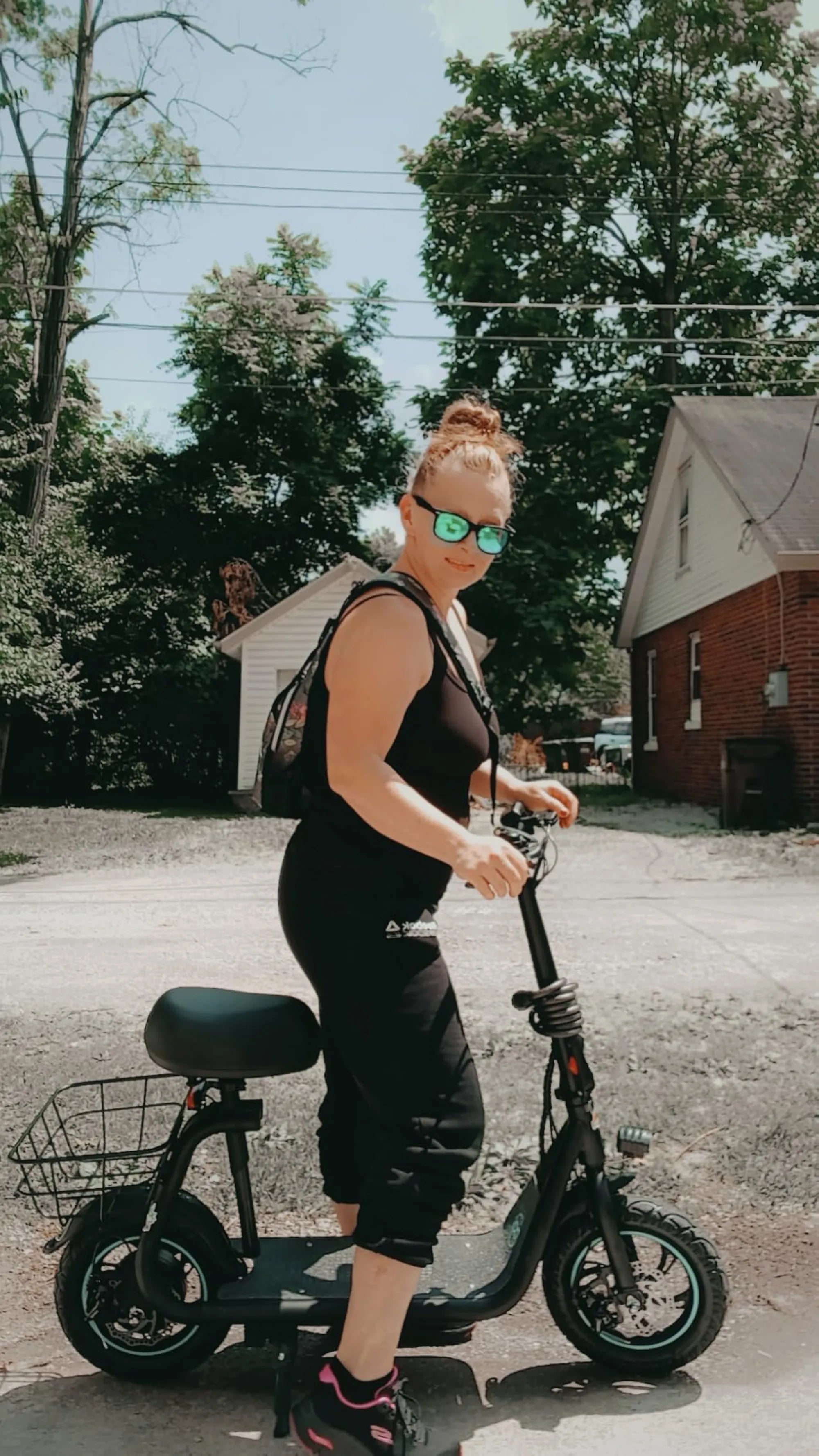
Electric bikes are taking cities by storm, offering an eco-friendly alternative to cars and public transportation. But one question keeps popping up among new riders: Do you have to have a license to drive an electric bike? The answer isn't as straightforward as you might think, with regulations varying significantly depending on where you live and what type of e-bike you're riding.
Understanding Electric Bike Classifications
Before diving into licensing requirements, it's crucial to understand how electric bikes are classified. Most jurisdictions categorize e-bikes into three main classes:
- Class 1: Pedal-assist only, with no throttle, and a maximum assisted speed of 20 mph
- Class 2: Throttle-assisted with a maximum speed of 20 mph
- Class 3: Pedal-assist only, with a maximum assisted speed of 28 mph
These classifications often determine whether you'll need a license to operate your electric bike legally.
Licensing Requirements by Region
The need for a license to operate an electric bike varies dramatically depending on your location. Here's a breakdown of common regulatory approaches:
United States Regulations
In most U.S. states, you don't need a license to ride Class 1 and Class 2 e-bikes. However, some states have different rules for Class 3 e-bikes, which may require:
- A driver's license
- Minimum age requirements
- Helmet use
- Registration or insurance
European Union Standards
EU regulations generally treat electric bikes differently based on their power output and maximum speed:
- Pedelecs (up to 250W and 25 km/h): No license required
- S-Pedelecs (up to 4,000W and 45 km/h): Often require registration, insurance, and a license
Asian Market Variations
Asian countries have diverse regulations:
- China: No license for most e-bikes under certain speed and power limits
- Japan: Requires license for higher-powered models
- India: Varies by state, with some requiring licenses for higher-speed models
Age Restrictions and Other Requirements
Even when a license isn't required, many jurisdictions impose age restrictions:
- Minimum age requirements (often 14-16 years old)
- Helmet laws for certain classes or ages
- Equipment requirements (lights, reflectors, bells)
Why Licensing Requirements Exist
Understanding the reasoning behind e-bike regulations can help riders appreciate the importance of following local laws:
- Safety concerns with higher-speed electric vehicles
- Integration with existing traffic infrastructure
- Insurance and liability considerations
- Consistency with other motor vehicle regulations
How to Check Your Local Regulations
Since laws vary so widely, it's essential to research your specific area's requirements:
- Check your state/provincial transportation department website
- Consult local bicycle advocacy groups
- Review municipal codes for any additional restrictions
- Contact local law enforcement for clarification
The Future of E-Bike Licensing
As electric bikes become more popular, regulations continue to evolve:
- Potential standardization of laws across regions
- New classifications for emerging e-bike technologies
- Changes in insurance requirements
- Integration with smart city infrastructure
Whether you're a daily commuter or a weekend adventurer, understanding your local e-bike licensing requirements is crucial for safe, legal riding. With regulations changing rapidly, staying informed ensures you can enjoy the freedom of electric biking without unexpected legal complications. The open road (or bike lane) awaits - are you ready to ride?
Portable Electric Scooter for Commuting: The Ultimate Urban Travel Solution
Portable Electric Scooter for Commuting: The Ultimate Urban Travel Solution