

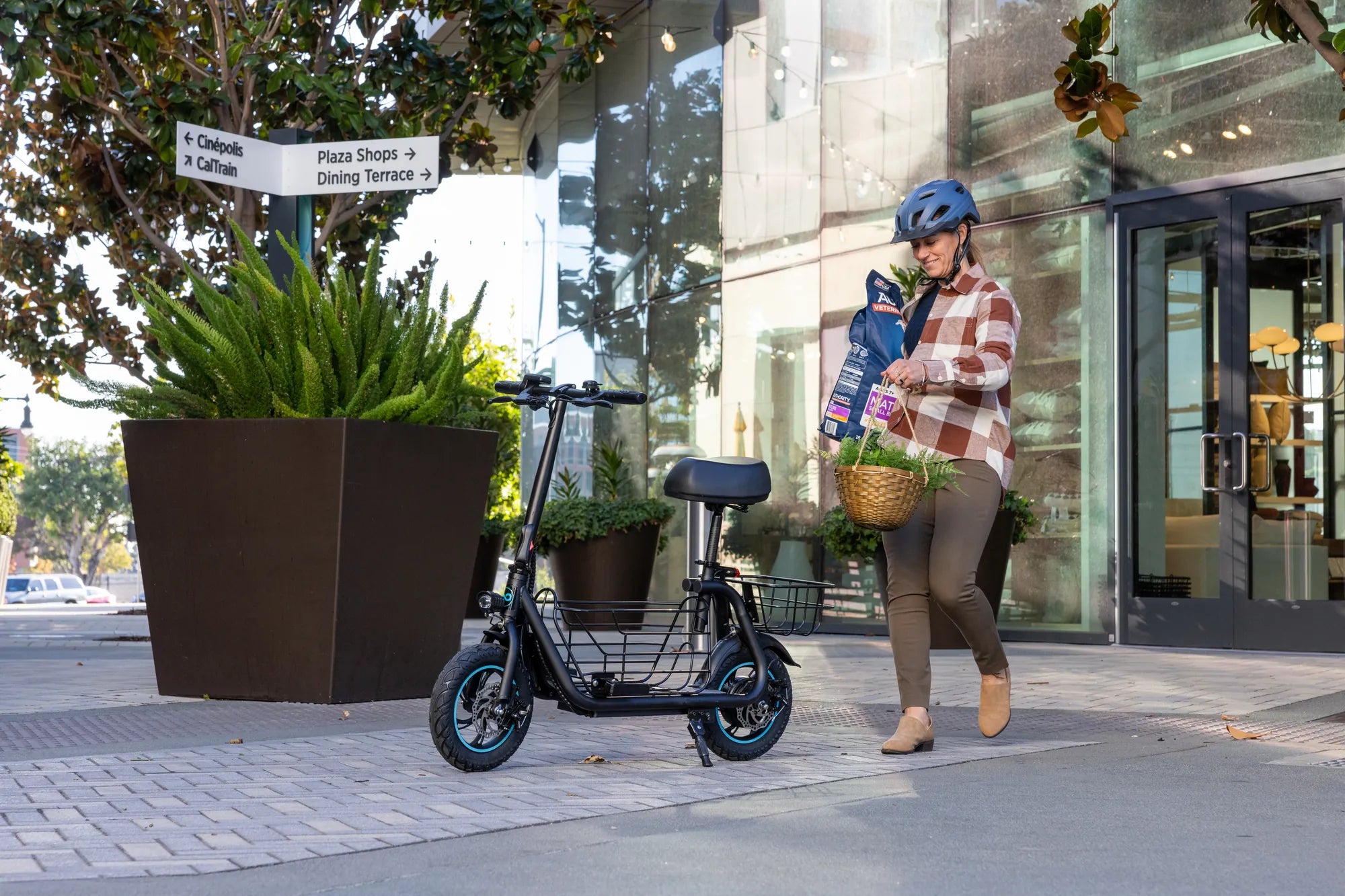
Electric bikes are taking the world by storm, offering an eco-friendly and efficient way to navigate cities and countryside alike. But as their popularity surges, so do questions about their legal status. One of the most common queries is: do you need a licence to drive an electric bike? The answer isn't as straightforward as you might think, with regulations varying by country, state, and even local municipality. Let's dive into the electrifying world of e-bike laws to ensure your rides are both thrilling and compliant.
Understanding Electric Bike Classifications
Before we can answer the licensing question, we need to understand how electric bikes are categorized. Most jurisdictions classify e-bikes based on three key factors:
- Motor power: Typically measured in watts, with common limits being 250W, 500W, or 750W
- Speed capability: Whether the motor assists up to 20 mph, 28 mph, or higher
- Operation method: Pedal-assist (requires pedaling) vs. throttle-controlled (can operate without pedaling)
These classifications directly impact whether your e-bike requires registration, licensing, or insurance. In many regions, lower-powered pedal-assist models are treated similarly to traditional bicycles, while higher-powered models may be classified as mopeds or even motorcycles.
Licensing Requirements by Region
The legal landscape for e-bikes varies dramatically around the world. Here's a breakdown of some key regions:
United States
In the U.S., federal law defines three classes of e-bikes:
- Class 1: Pedal-assist only, max speed 20 mph - no license required
- Class 2: Throttle-assisted, max speed 20 mph - no license required
- Class 3: Pedal-assist only, max speed 28 mph - varies by state
Most states follow these classifications, but some have additional requirements. For example, certain states mandate helmets for Class 3 e-bikes or restrict their use on bike paths.
European Union
The EU generally follows the EPAC (Electrically Power Assisted Cycle) standard:
- Max continuous power: 250W
- Motor cuts out at 25 km/h (15.5 mph)
- Pedal-assist only (no throttle)
E-bikes meeting these criteria are considered bicycles and require no license. More powerful models are classified as mopeds or motorcycles, requiring registration and insurance.
United Kingdom
The UK has similar rules to the EU, with a few key differences:
- E-bikes must have pedals capable of propelling the vehicle
- Maximum power output of 250W
- Motor must cut out at 15.5 mph (25 km/h)
- No license required if these conditions are met
Higher-powered e-bikes fall under motorcycle regulations, requiring licensing, registration, and insurance.
Age Restrictions and Other Requirements
While licensing might not be required for many e-bikes, age restrictions often apply:
| Region | Minimum Age | Notes |
|---|---|---|
| United States (most states) | 16+ | Some states have no minimum age |
| European Union | 14+ | Varies by country |
| United Kingdom | 14+ | Must be 16+ for higher-powered models |
Other common requirements include helmet laws (especially for higher-speed classes), lighting requirements for night riding, and restrictions on where you can ride (bike lanes vs. roads).
Why the Confusion Exists
The legal gray area surrounding e-bikes stems from several factors:
- Rapid technological advancement: Laws struggle to keep pace with evolving e-bike capabilities
- Varied terminology: Terms like "pedelec," "e-bike," and "electric moped" are often used interchangeably
- Local vs. national regulations: Municipalities sometimes impose additional restrictions beyond state/provincial laws
- Safety concerns: As e-bikes become more powerful, authorities grapple with balancing innovation and public safety
This confusion makes it essential to check your local regulations before purchasing or riding an e-bike.
Penalties for Non-Compliance
Riding an unlicensed e-bike when one is required can lead to serious consequences:
- Fines ranging from $100 to $1,000+
- Impoundment of your e-bike
- Points on your driver's license (if you have one)
- In rare cases, criminal charges
More importantly, riding an improperly classified e-bike could void your insurance coverage in case of an accident, leaving you personally liable for damages.
Future of E-Bike Regulations
As e-bike adoption grows worldwide, we're likely to see:
- More standardized classifications across jurisdictions
- Clearer distinctions between e-bikes and other electric vehicles
- Updated infrastructure to accommodate different e-bike classes
- Potential licensing requirements for higher-speed models
Advocacy groups are working to ensure these changes promote safety without stifling innovation or accessibility.
Whether you're a daily commuter or a weekend adventurer, understanding e-bike licensing requirements ensures you stay on the right side of the law. With regulations evolving as quickly as the technology itself, staying informed is the best way to enjoy the freedom and fun of electric biking without unexpected legal shocks. The open road (or bike path) awaits - are you ready to ride?
Electric Scooter Battery Won't Charge: Troubleshooting and Fixes
Kids Electric Dirt Bike for 6 Year Old: The Ultimate Guide for Parents