


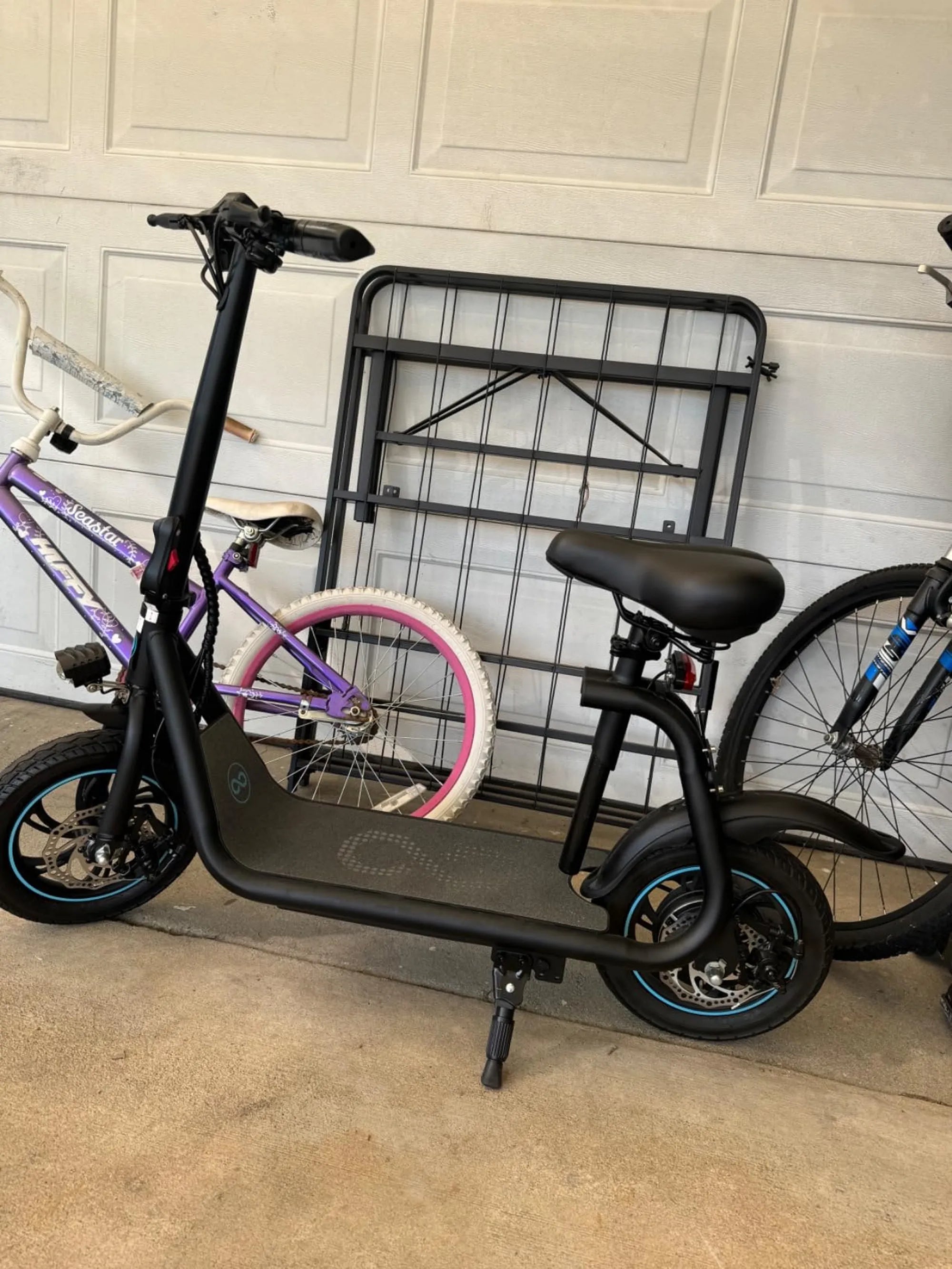
Electric bikes are taking California by storm, offering an eco-friendly and efficient way to navigate busy streets and scenic trails. But before you hop on one, you might be wondering: Do you need a license to drive an electric bike in California? The answer isn’t as straightforward as you might think, and understanding the rules can save you from fines or legal trouble.
Understanding California’s Electric Bike Classification
California law divides electric bikes into three distinct classes, each with its own set of regulations. Knowing which class your e-bike falls under is crucial for determining whether a license is required.
- Class 1: Pedal-assist only, with no throttle, and a maximum assisted speed of 20 mph.
- Class 2: Equipped with a throttle, but still capped at 20 mph.
- Class 3: Pedal-assist only, with a higher maximum speed of 28 mph.
These classifications help clarify the legal requirements for riders, including whether a license is necessary.
Do You Need a License for an Electric Bike in California?
The short answer is no—you typically don’t need a driver’s license to operate an electric bike in California. However, there are exceptions and additional rules depending on the class of your e-bike.
For Class 1 and Class 2 e-bikes, no license is required. These bikes are treated similarly to traditional bicycles under California law, meaning riders of all ages can use them without a license.
Class 3 e-bikes, however, come with a few extra restrictions. While a license isn’t mandatory, riders must be at least 16 years old, and helmets are required for all ages. Additionally, Class 3 e-bikes are not allowed on bike paths or trails unless explicitly permitted by local authorities.
Other Legal Requirements for Electric Bikes in California
Even if a license isn’t required, there are still rules you must follow to stay compliant with California law:
- Helmet Laws: Riders under 18 must wear a helmet on all e-bike classes. For Class 3 e-bikes, helmets are mandatory for all ages.
- Speed Limits: Exceeding the designated speed limits for your e-bike class can result in fines or reclassification as a motor vehicle.
- Where You Can Ride: Class 1 and 2 e-bikes are generally allowed wherever traditional bikes are permitted, while Class 3 e-bikes face more restrictions.
Why Knowing the Rules Matters
Ignorance of the law isn’t an excuse, and violating e-bike regulations can lead to fines or even having your bike impounded. By understanding the classifications and requirements, you can enjoy your electric bike safely and legally.
Electric bikes offer a fantastic way to reduce your carbon footprint while enjoying the freedom of the open road. Now that you know the answer to Do you need a license to drive an electric bike in California?, you’re ready to ride with confidence—just don’t forget your helmet!
Top Selling Off Road E Scooter: The Ultimate Guide for Adventure Seekers
Top Selling Off Road E Scooter: The Ultimate Guide for Adventure Seekers