

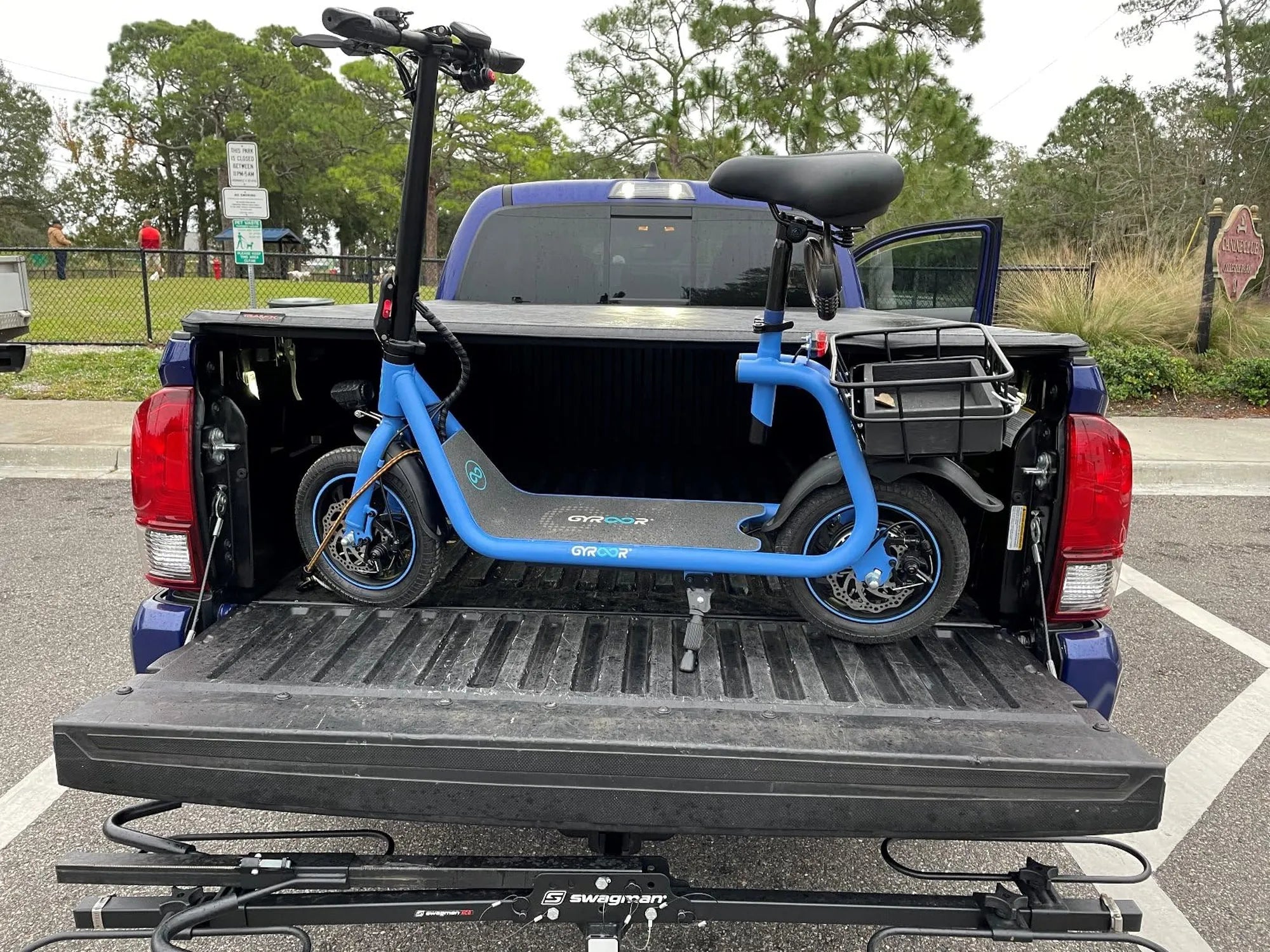
Riding a scooter is a fun, efficient, and eco-friendly way to get around, but before you hit the road, you might be wondering: do you need a license to ride a scooter? The answer isn’t always straightforward, as it depends on factors like your location, the scooter’s engine size, and local regulations. This guide breaks down everything you need to know to stay legal and safe.
Understanding Scooter Licensing Requirements
The need for a license to ride a scooter largely depends on the type of scooter you’re using. Generally, scooters fall into two categories:
- Electric scooters (e-scooters): These are typically low-speed, battery-powered vehicles.
- Gas-powered scooters: These have internal combustion engines and are classified by engine size (usually in cubic centimeters, or cc).
In many places, electric scooters with a top speed below a certain threshold (often 15-20 mph) don’t require a license. However, gas-powered scooters with larger engines (usually 50cc or above) often do.
License Requirements by Scooter Type
Electric Scooters (E-Scooters)
Most regions treat e-scooters similarly to bicycles, meaning no license is required. However, some cities or states may have specific rules, such as:
- Age restrictions (e.g., riders must be at least 16 years old).
- Helmet requirements.
- Prohibitions on riding on sidewalks or certain roads.
Always check local laws before riding an e-scooter to avoid fines or penalties.
Gas-Powered Scooters
Gas-powered scooters are often classified as motor vehicles, and licensing requirements vary based on engine size:
- Under 50cc: In many areas, these are considered "mopeds" and may only require a basic driver’s permit or no license at all.
- 50cc and above: These usually require a motorcycle license or endorsement, as they can reach higher speeds.
Some states or countries also require registration, insurance, and safety inspections for gas-powered scooters.
How to Get a Scooter License (If Required)
If your scooter requires a license, here’s a general process to follow:
- Check local laws: Verify the specific requirements in your area.
- Complete a safety course: Many places offer scooter or motorcycle safety courses that may waive the riding test.
- Pass a written and riding test: You’ll typically need to demonstrate knowledge of traffic laws and safe riding skills.
- Obtain insurance and registration: Some jurisdictions require these before you can legally ride.
Penalties for Riding Without a License
Riding a scooter without the proper license can result in:
- Fines or tickets.
- Impoundment of your scooter.
- Points on your driving record (if you have one).
- Legal consequences if involved in an accident.
It’s always better to comply with local laws to avoid these risks.
Safety Tips for Scooter Riders
Whether or not you need a license, safety should always be a priority. Follow these tips:
- Wear a helmet and protective gear.
- Obey traffic laws and signals.
- Stay visible with reflective clothing or lights.
- Avoid riding in bad weather or hazardous conditions.
By understanding the rules and riding responsibly, you can enjoy your scooter while staying safe and legal.
Ready to hit the road? Make sure you’re fully prepared by checking your local regulations and gearing up for a smooth, lawful ride. Whether you’re zipping through the city or cruising for fun, knowing the answer to "Do you need a license to ride a scooter?" ensures you’ll never be caught off guard.
Dirt Bike Handle Bars: The Ultimate Guide to Choosing and Maintaining
3 Wheel Mobility Scooter Comparison: Finding the Best Fit for Your Needs