


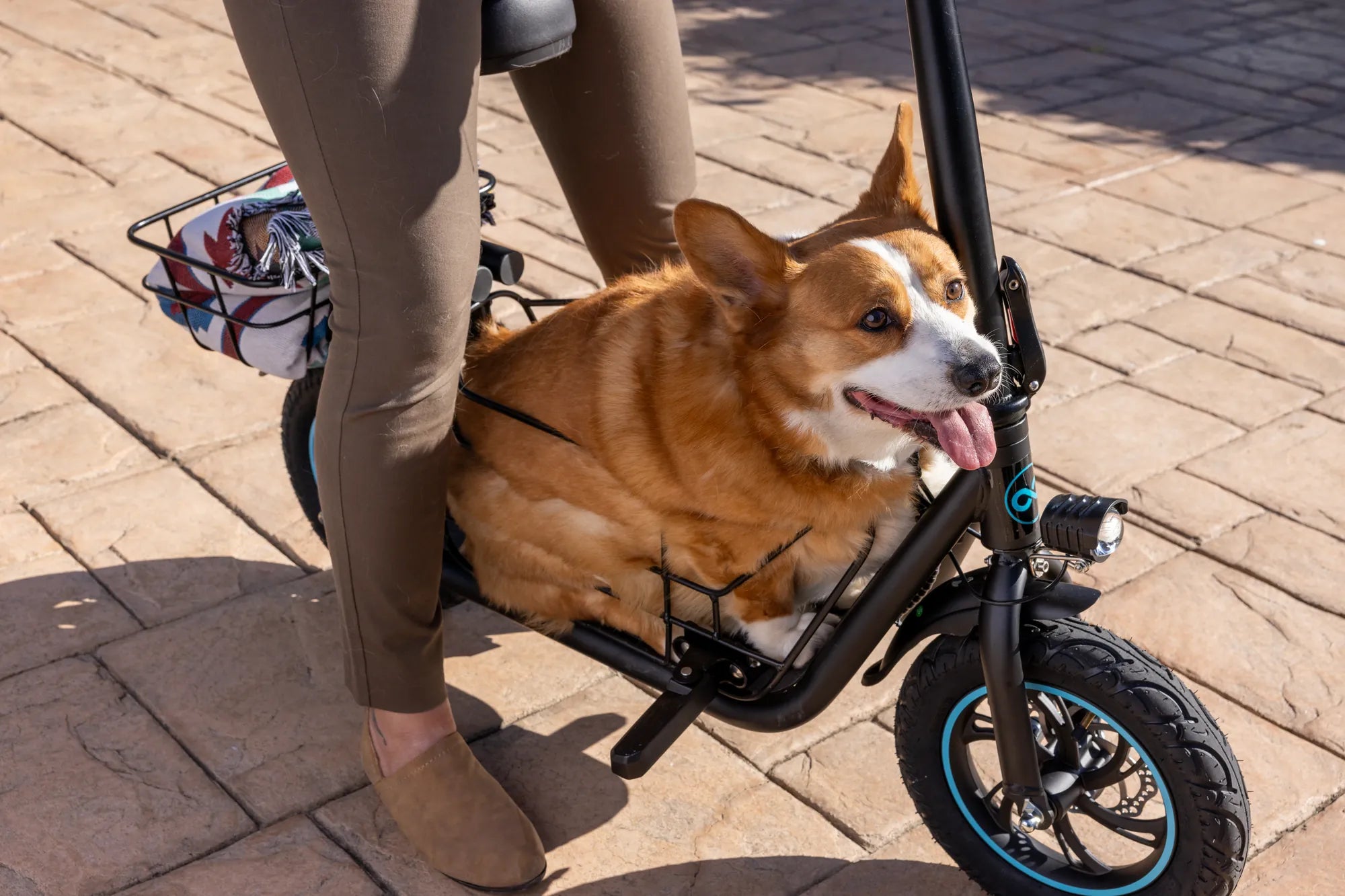
Navigating the Legal Landscape of Electric Scooters
Confusion around licensing for scooters is widespread, especially with the explosion of electric models on city streets. The core question—do you need a motorcycle licence for a scooter—doesn't have a single answer. It hinges critically on the scooter's propulsion (gas vs. electric), its engine size or motor power, and its maximum speed capability.
Misunderstanding these distinctions can lead to fines, impounded vehicles, or riding without proper insurance coverage. This guide will provide the clarity you need, backed by data and legal frameworks. We'll focus on how modern electric scooters, like those from Gyroor, are designed specifically for legal, accessible urban mobility without the burden of a special licence.
Defining "Scooter": Moped vs. E-Scooter vs. Motorcycle
To answer the licence question, we must first define our terms. The word "scooter" is used colloquially for three distinct vehicle categories, each with different legal treatments. State Departments of Motor Vehicles (DMVs) classify them based on specific technical criteria, not marketing names.
A traditional gas-powered moped or scooter typically features a step-through frame and an engine displacement of 50cc or less. These are considered motor vehicles. A modern electric kick scooter (e-scooter) is a stand-up or sometimes sit-down vehicle powered by a battery and electric motor, with a design focused on portability.
Finally, a motorcycle or large maxi-scooter has an engine displacement usually starting at 150cc and requires full motorcycle registration and licensing. The legal grey area often exists between the gas moped and the electric scooter, which is why power and speed specifications are paramount.
Key Classification Factors: Wattage, Speed, and CC
Government regulations use measurable metrics to draw legal lines. For electric scooters, the primary factors are motor wattage and maximum speed. Most consumer e-scooters have motors ranging from 250W to 1000W and are speed-limited, either electronically or mechanically, to between 15 mph and 28 mph.
This combination typically places them in a category like "Personal Light Electric Vehicle" (PLEV), "Electric Stand-up Scooter," or "Micro-mobility Device." These classifications are distinct from "motor vehicle" status. In contrast, gas scooters are measured by engine displacement in cubic centimeters (cc). A 50cc gas scooter is almost universally classified as a motor vehicle, often a "moped," triggering different rules.
The wattage of an e-scooter motor directly influences its torque and hill-climbing ability, but from a legal standpoint, the governed top speed is often the decisive factor. A 1000W scooter limited to 20 mph is usually treated the same as a 350W scooter limited to 20 mph. Brands like Gyroor carefully design their models to align with common PLEV speed limits, ensuring broader legal accessibility.
Licensing Requirements by Vehicle Type: A Clear Breakdown
Here is a direct comparison of typical licensing requirements across the United States for each vehicle type. This table represents common patterns, but state-by-state variations are significant and will be discussed next.
| Vehicle Type | Typical Engine/Motor | Typical Max Speed | Common Legal Classification | Typical Licence Required |
|---|---|---|---|---|
| Low-Speed Electric Scooter (e.g., Gyroor Commuter Models) | 350W - 1000W Electric | 15 - 20 mph (electronically limited) | Personal Light Electric Vehicle (PLEV) / Micro-mobility Device | Standard Driver's Licence or No Licence* |
| Gas-Powered Moped | ≤ 50cc Gasoline | 25 - 30 mph | Moped / Motorized Bicycle | Moped Licence or Motorcycle (M) Endorsement |
| Motorcycle / Large Scooter | ≥ 150cc Gasoline | 55+ mph | Motorcycle | Full Motorcycle Licence (M1/M2) |
*Many states and cities have no licence requirement for low-speed e-scooters, though some require the rider to possess at least a standard driver's licence. A key takeaway is that for a standard consumer electric scooter, the answer to do you need a motorcycle licence for a scooter is usually no.
State-by-State Variations and Local Ordinances
The United States lacks a unified federal law for electric scooters. Instead, a patchwork of state laws exists, and cities often layer on additional local ordinances. For instance, California treats e-scooters with a max speed of 15 mph on level ground similarly to bicycles, requiring no licence, registration, or insurance for riders 18+.
New York State legalized e-scooters in 2020, allowing them on streets with speed limits of 30 mph or less, but requiring riders to be 16+ and wear a helmet if under 18. No driver's licence is mandated. Conversely, some states still have ambiguous laws or classify certain e-scooters as motor vehicles based on older statutes.
This variability makes it impossible to give a one-size-fits-all answer. Your specific location—down to the city or county level—is the final authority. This is why conducting your own verification is a non-negotiable step before riding.
The Importance of Checking Your Local DMV
Verifying the law is a straightforward process. Start with an online search using precise terms: "[Your State] electric scooter law 2024" or "[Your City] micro-mobility regulations." Your state's official DMV website is the most reliable source. Look for sections on "Mopeds," "Motorized Bicycles," or increasingly, "Electric Scooters."
Pay close attention to definitions of vehicle classes based on wattage, speed, and sometimes whether the scooter has a seat. Bookmark the relevant page or download the PDF for reference. For brand-specific assurance, companies like Gyroor design their mainstream models to comply with the most common state PLEV frameworks, prioritizing rider accessibility and legal compliance.
Beyond Licensing: Other Legal Requirements for Riding
Licensing is just one part of the legal puzzle. Several other requirements are equally important for safe and lawful operation. These vary even more than licensing rules and are crucial to understand.
Age Restrictions: Many states impose minimum age requirements for e-scooter riders, commonly 16 years old. For gas mopeds requiring a licence, the minimum age is usually tied to the licensing age for that class.
Helmet Laws: This is a major area of variation. Some states require helmets for all e-scooter riders, some only for minors, and some have no law. Regardless of the law, wearing a helmet is the single most effective safety practice.
Insurance: Most states do not require insurance for low-speed e-scooters classified as PLEVs. However, gas mopeds often do require liability insurance. It's wise to check if your homeowner's or renter's insurance policy provides any liability coverage for e-scooter use.
Where to Ride: Rules governing where you can operate are critical for safety and legality. Most jurisdictions prohibit riding on sidewalks. The typical hierarchy is: use a bike lane if available, otherwise ride on the right side of the road, obeying all traffic signals. Understanding these rules is essential to answer do you need a motorcycle licence for a scooter in the context of full legal operation.
Why Gyroor E-Scooters are Designed for Accessible Commuting
Gyroor's engineering philosophy directly addresses the legal and practical barriers to urban mobility. By focusing on the Personal Light Electric Vehicle (PLEV) category, Gyroor ensures its scooters are accessible to the broadest range of riders without special licensing hurdles.
Key design choices support this. Models are electronically speed-limited to comply with common state thresholds (e.g., 19-20 mph). The use of powerful but legally-compliant motor wattages (e.g., 500W or 1000W) provides excellent torque for hills while staying within typical PLEV definitions. This balance of performance and compliance is a core design principle.
Safety features like UL-certified battery packs, IPX5 water-resistant construction, and reliable braking systems are not just about product quality—they are about responsible manufacturing that aligns with safe riding practices encouraged by laws. With a trusted 1-year warranty and a customer base of over 100,000 riders, Gyroor builds for reliability and rider confidence within the established legal framework for e-scooters.
Frequently Asked Questions (FAQ)
Q: Do I need a licence for a 1000W electric scooter?
A: Not necessarily. The need for a licence depends on the scooter's top speed, not just its wattage. If the 1000W scooter is speed-limited to around 20 mph, it will likely be classified as a PLEV requiring no special licence. If it can exceed 28-30 mph, it may be classified as a moped, triggering licence requirements. Always check the manufacturer's stated top speed and your local laws.
Q: What about insurance for my electric scooter?
A: Most states do not mandate insurance for low-speed e-scooters. However, you are personally liable for any damage or injury you cause. Contact your insurance provider to see if your homeowner's, renter's, or auto policy includes liability coverage for e-scooter use. It's a prudent step for financial protection.
Q: Can I ride my Gyroor scooter on the sidewalk?
A> Local laws vary greatly, but the majority of cities prohibit riding e-scooters on sidewalks for pedestrian safety. The safest and most typically legal places to ride are in bicycle lanes or on roads with speed limits of 30 mph or less. Always prioritize pedestrian right-of-way.
Q: Is a motorcycle licence the same as a moped licence?
A: No. A full motorcycle licence (M1/M2 endorsement) allows you to operate any motorcycle or scooter. A moped licence or endorsement is a separate, often simpler class that only permits operation of vehicles meeting the strict moped definition (e.g., under 50cc, under 30 mph). You need a motorcycle licence to operate a large scooter (150cc+).
Q: Do these rules apply to electric bikes (e-bikes) too?
A> E-bikes have their own, often clearer, three-class system (Class 1, 2, 3) defined by federal and state law. They are generally treated more like bicycles and rarely require a licence, though Class 3 e-bikes (assist up to 28 mph) have some additional restrictions. The rules are separate from those for electric stand-up scooters.
Ride Informed, Ride Safe, and Choose Wisely
The definitive answer to whether you need a motorcycle licence for a scooter is clear: for consumer-grade, speed-limited electric scooters, you typically do not. However, this privilege comes with the responsibility to know and follow your local regulations on age, helmets, and where to ride. The legal landscape is defined by your scooter's specifications and your zip code.
Choosing a reputable brand that prioritizes compliance, safety, and reliability is the first step toward worry-free riding. Brands like Gyroor build with these principles at the core, using UL-certified batteries and designing for the legal PLEV category. By riding a properly engineered scooter, wearing safety gear, and obeying traffic laws, you unlock a efficient, enjoyable, and legal mode of urban transportation.
Ready to explore a range of e-scooters designed for performance, safety, and legal accessibility? Browse the full Gyroor collection, trusted by over 100,000 riders, at gyroorboard.com.
Scooter Won't Start: A Complete 8-Step Diagnostic & Repair Guide
Scooter Won't Start: A Complete 8-Step Diagnostic & Repair Guide