

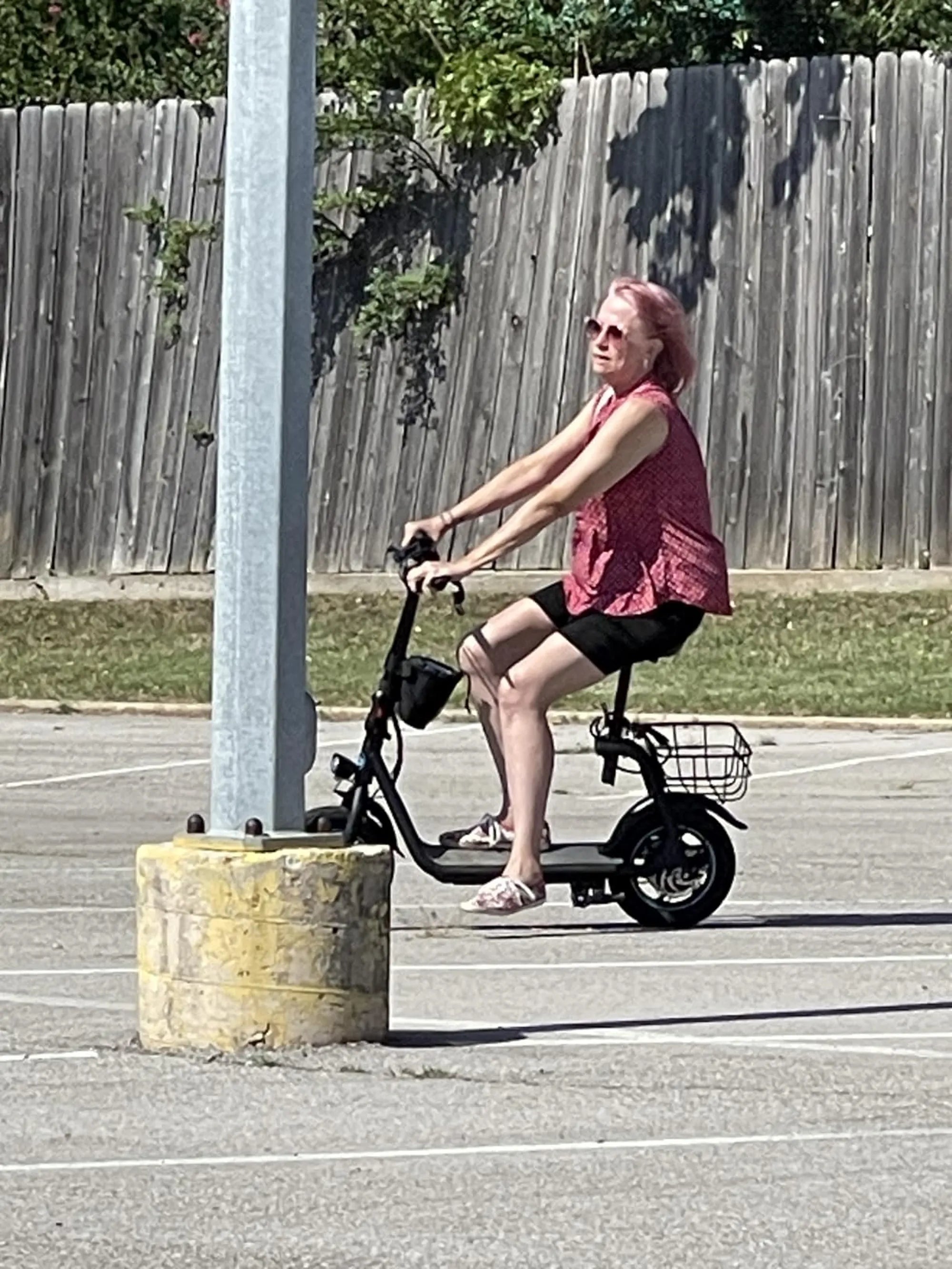
Ever wondered if you can hop on a trike without a motorcycle license? The answer isn't as straightforward as you might think. Trikes, with their unique three-wheel design, blur the lines between motorcycles and cars, leaving many riders unsure about licensing requirements. Whether you're a seasoned rider or a curious newcomer, understanding the rules is crucial before hitting the road.
What Is a Trike?
A trike, short for tricycle motorcycle, is a three-wheeled vehicle that combines elements of motorcycles and cars. Unlike traditional motorcycles, trikes offer enhanced stability, making them appealing to riders who may struggle with balance or prefer a more relaxed riding experience. However, their classification varies by jurisdiction, which directly impacts licensing requirements.
Motorcycle License Requirements for Trikes
In many regions, trikes are classified as motorcycles, meaning you'll need a motorcycle license or endorsement to operate one legally. This typically involves passing a written test, a skills test, and sometimes completing a rider training course. However, some areas have specific exemptions or alternative licensing options for trikes.
Key Factors Influencing Licensing Rules
- Vehicle Classification: Some states or countries categorize trikes as autocycles or three-wheeled cars, which may not require a motorcycle license.
- Engine Size: Smaller trikes with lower engine displacements might fall under different licensing categories.
- Local Laws: Regulations can vary significantly between states, provinces, or countries, so always check local DMV or transportation authority guidelines.
Exceptions and Alternatives
In certain jurisdictions, trikes may be exempt from motorcycle licensing if they meet specific criteria, such as having a steering wheel instead of handlebars or a fully enclosed cabin. Additionally, some regions offer a three-wheel-specific endorsement that differs from a standard motorcycle license.
Safety Considerations for Trike Riders
Even if your area doesn't require a motorcycle license for trikes, proper training is highly recommended. Trikes handle differently than two-wheeled motorcycles, and understanding their unique dynamics can prevent accidents. Enrolling in a trike-specific riding course can boost your confidence and skills on the road.
Final Thoughts
Before you rev up that trike, take the time to research your local laws and invest in the right training. Whether you need a motorcycle license or not, riding a trike is an adventure best enjoyed with knowledge and preparation. Ready to hit the road? Make sure you're legally covered and safety-savvy for the ride ahead!
Best Scooter for 11 Year Old Boy: Top Picks for Fun and Safety
Entry Level Ebike: The Perfect Starter for Eco-Friendly Commuting