



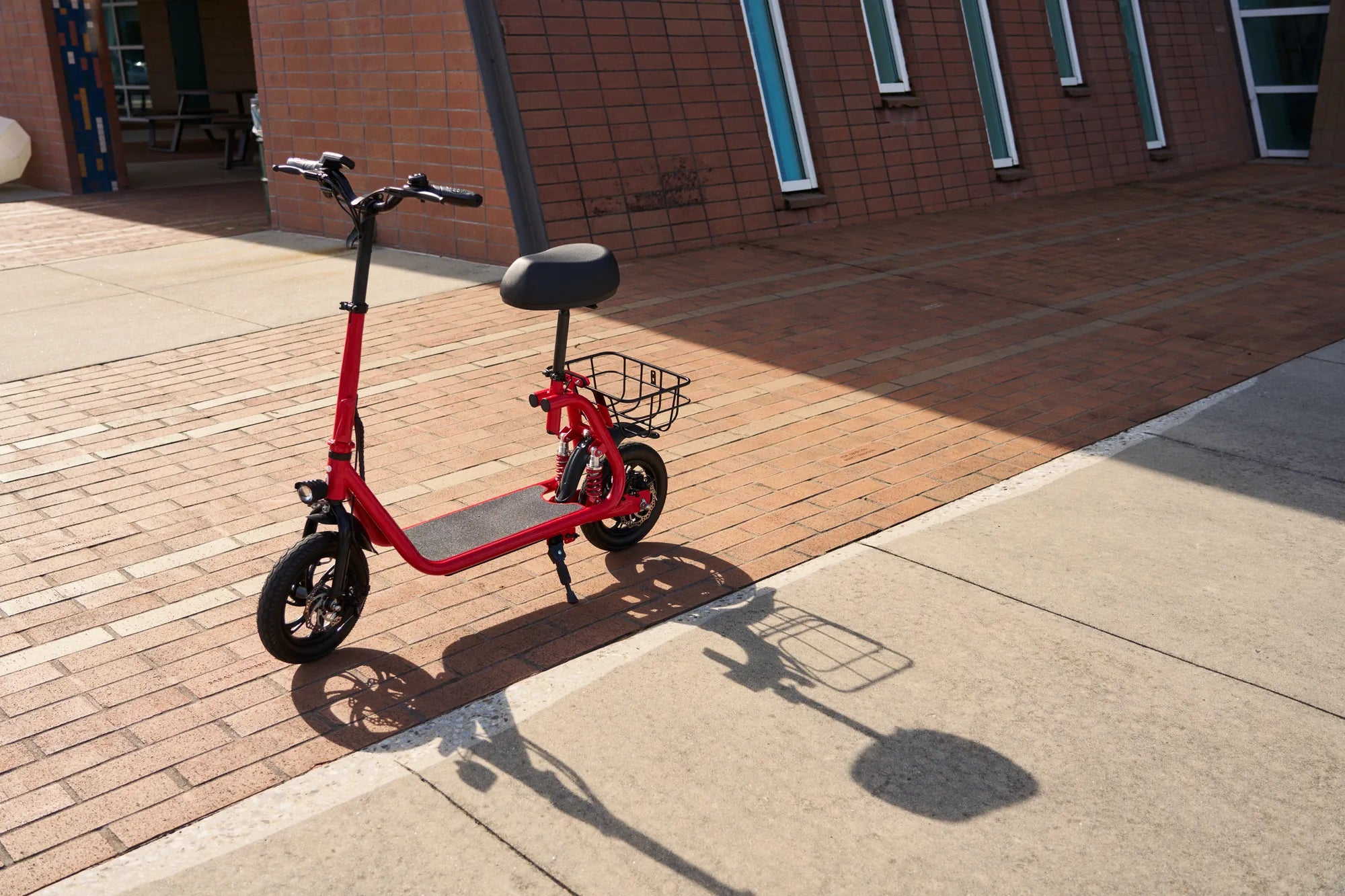
Navigating Florida's Roads on a 50cc Scooter
Riding a 50cc scooter in Florida offers an efficient, affordable, and enjoyable way to navigate sunny streets and bypass traffic. For commuters, students, and leisure riders, these vehicles represent significant savings on gas and parking. The central question for every new and existing rider is: do you need insurance for a 50cc scooter in Florida? The answer is nuanced, blending legal technicalities with stark financial realities.
While Florida law provides a specific exemption for the smallest class of motorized two-wheelers, riding without insurance is a gamble with potentially severe consequences. This guide will dissect Florida's unique insurance landscape, clarify the legal classification of your scooter, and demonstrate why securing a policy is one of the most responsible decisions a rider can make. You'll learn not just the letter of the law, but how to protect your finances and your future on the road.
Understanding the Legal Landscape: Florida's Minimum Insurance Laws
Florida operates under a "No-Fault" insurance system for automobiles. This system requires drivers to carry Personal Injury Protection (PIP) and Property Damage Liability (PDL) coverage. The state's financial responsibility law mandates that registered motor vehicles must be insured to cover liabilities in the event of a crash. However, this mandate has a critical exception that directly applies to many scooter riders.
The law primarily applies to vehicles with four or more wheels. For two-wheeled motor vehicles, the requirement hinges on engine displacement and legal classification. Therefore, the question of whether you need insurance for a 50cc scooter in Florida begins with understanding if your vehicle falls under the state's mandatory insurance umbrella. In most cases, it does not, but this exemption is not a blanket recommendation to forgo coverage.
It is essential to verify your scooter's exact specifications. Some models marketed as 50cc may have slightly larger engines that could push them into a different legal category. Always check your owner's manual or manufacturer's specifications to confirm your engine size is truly 49cc or 50cc. Assuming you are exempt without verification can lead to legal and financial trouble.
The Critical Distinction: Moped vs. Motorcycle in Florida
Florida law defines a "moped" or "motorized bicycle" with specific criteria. A vehicle must have an engine with 50 cubic centimeters (cc) or less of displacement. It must have an automatic transmission (no clutch or gear shifting required by the operator). Furthermore, it must not be capable of propelling the vehicle at a speed greater than 30 miles per hour on level ground.
If your scooter meets all three criteria—under 50cc, automatic, max 30 mph—it is legally a moped. Mopeds in Florida are generally exempt from the state's mandatory insurance requirement. They also have different registration and licensing requirements compared to motorcycles. Riders typically only need a valid Class E driver's license, and the moped itself may not require a title, though it must be registered with a license plate.
Conversely, a "motorcycle" is defined as any motor vehicle with a seat or saddle for the rider, not including a tractor or moped. This includes all scooters and motorcycles with an engine over 50cc. These vehicles absolutely require insurance, a motorcycle endorsement on your license, and full registration and titling. Misclassifying a 51cc scooter as a moped is a serious legal error.
Local ordinances can add another layer. Some Florida counties or cities may have additional rules regarding scooter operation, parking, or insurance. It is the rider's responsibility to check with their local Department of Highway Safety and Motor Vehicles (FLHSMV) office or city clerk to ensure full compliance beyond state law.
Why Insurance is Still a Highly Recommended Investment
Choosing to ride without insurance because it's not legally required is a high-risk financial strategy. A 50cc scooter, while small, is a motor vehicle capable of causing significant damage and injury. Insurance is not merely a legal checkbox; it is a fundamental tool for asset protection and risk management. The peace of mind it provides allows you to enjoy your rides without the looming fear of financial ruin from a single incident.
The potential costs of an at-fault accident can be astronomical. Without liability coverage, you are personally responsible for all property damage and medical bills for others that you cause. A minor collision with a car door or a pedestrian can result in tens of thousands of dollars in claims. Insurance acts as a critical financial buffer between your personal assets and these liabilities.
Furthermore, your scooter itself is an investment worth protecting. Modern 50cc scooters from reputable brands represent a purchase of several hundred to over a thousand dollars. Comprehensive and collision coverage can safeguard this investment against threats like theft, vandalism, fire, or damage from a collision, regardless of fault.
Liability Protection: Shielding Your Assets
Liability coverage is the cornerstone of any scooter insurance policy. It covers bodily injury and property damage you cause to others. Imagine accidentally swerving and scratching a parked luxury car, or colliding with a cyclist who sustains injuries. Without liability insurance, you would be personally sued for the repair costs and medical expenses.
These costs can quickly deplete savings, lead to wage garnishment, or force you into debt. A liability policy provides legal defense and pays for covered damages up to your policy limits. For a relatively low annual premium, you transfer this catastrophic financial risk to the insurance company.
Theft, Vandalism, and Comprehensive Coverage
Scooters are prime targets for theft due to their size and relative ease of transport. Comprehensive coverage protects your scooter against non-collision losses like theft, attempted theft, vandalism, fire, hail, or flooding. If your scooter is stolen from a parking rack or your driveway, a comprehensive claim can reimburse you for its actual cash value.
Given the portability of scooters, this coverage is highly advisable, especially in urban areas. The loss of your primary mode of transportation can be disruptive and costly. Comprehensive coverage ensures you are not left footing the entire bill for a replacement vehicle after a theft.
Uninsured/Underinsured Motorist Coverage
This coverage is crucial in Florida, which has one of the highest rates of uninsured drivers in the nation. If you are hit and injured by a driver who has no insurance or insufficient insurance, your Uninsured/Underinsured Motorist (UM/UIM) coverage steps in. It can help pay for your medical bills, lost wages, and pain and suffering.
Since you have no control over other drivers' insurance decisions, UM/UIM coverage protects you and your passengers from their irresponsibility. For scooter riders, who are more vulnerable to severe injury in any collision, this protection is particularly valuable.
Data and Scenario Comparison: Cost of Risk vs. Premium
To make an informed decision, it helps to compare the potential out-of-pocket costs of an uninsured incident with the relatively low cost of an annual insurance policy. Premiums for 50cc scooter insurance in Florida are generally affordable, often ranging from $100 to $400 per year for a solid policy, depending on coverage limits, your location, driving record, and the scooter's value.
The following table illustrates potential financial outcomes, highlighting why asking "do you need insurance for a 50cc scooter in Florida" should focus on financial need, not just legal need.
| Scenario | Potential Out-of-Pocket Cost (Uninsured) | Estimated Annual Insurance Cost | Financial Outcome with Insurance |
|---|---|---|---|
|
Minor At-Fault Accident You lose control and scratch a car's door panel. |
$800 - $2,500+ for repairs | $150 - $300 | Insurance covers repair costs after deductible ($250-$500). You pay only the deductible. |
|
Scooter Theft Scooter stolen from apartment complex. |
Total loss of scooter ($1,200 value) | $200 - $350 (with comp.) | Insurance reimburses actual cash value of scooter (minus deductible). |
|
Hit by Uninsured Driver You are injured, requiring ER visit and follow-up. |
$5,000 - $25,000+ in medical bills, plus lost wages | $175 - $325 (with UM) | UM coverage helps pay your medical expenses and lost income up to policy limits. |
|
Major At-Fault Injury You cause a crash injuring a pedestrian. |
Tens to hundreds of thousands in liability; potential lawsuit and judgment | $200 - $400 (with high liability limits) | Insurance provides legal defense and pays liability claims up to your policy limit (e.g., $100,000). |
How to Get Insurance for Your 50cc Scooter in Florida
Securing insurance is a straightforward process. Start by contacting your existing auto insurance provider. Many major companies offer motorcycle or specialty vehicle policies and may provide a multi-policy discount for bundling your scooter with your car insurance. This can be the most convenient and cost-effective route.
If your current insurer does not cover mopeds or scooters, seek out providers specializing in motorcycle or recreational vehicle insurance. They are more familiar with the nuances of insuring two-wheeled vehicles and can often offer more tailored coverage options. Get quotes from at least three different companies to compare rates and coverage details.
Information to Have Ready
When requesting a quote, be prepared with specific information: the scooter's year, make, model, and Vehicle Identification Number (VIN). Know the purchase price or current market value. You'll also need your driver's license number and details about your driving history, including any recent tickets or accidents. Accurate information ensures your quote is correct and your policy is valid.
Coverage Options to Discuss
Work with the agent to build a policy that fits your needs and budget. For a 50cc scooter, consider: Bodily Injury & Property Damage Liability (state minimums are low; consider higher limits), Comprehensive Coverage (for theft and non-collision damage), Collision Coverage (for damage from an accident), and Uninsured/Underinsured Motorist Coverage. You may choose to forego collision and comprehensive on a very low-value scooter, but liability and UM coverage remain essential.
Frequently Asked Questions (FAQ)
Q1: Is scooter insurance expensive in Florida for a 50cc model?
A1: No, it is generally very affordable. Annual premiums often range from $100 to $400 for a robust policy, which is a small price for significant financial protection. Costs vary based on your age, location, driving record, and chosen coverage limits.
Q2: If I only ride on bike paths or sidewalks, do I need insurance?
A2> Operating a motorized scooter on sidewalks or dedicated bike paths is typically illegal and dangerous. Insurance follows the vehicle's legal use on public roads. More importantly, if you cause an injury to a pedestrian on a path, you would be personally liable. Insurance is designed for these liabilities.
Q3: Does my homeowner's or renter's insurance cover my scooter?
A3> Usually not. Most homeowner's and renter's policies explicitly exclude liability and damage coverage for motor vehicles. Some may offer minimal protection for very small electric devices, but a 50cc gas-powered scooter will almost certainly require a separate, specific vehicle insurance policy.
Q4: What happens if I get into an accident without insurance?
A4> You are personally and fully financially responsible. You could be sued for damages to other vehicles and property, and for the medical bills of injured parties. You would also have to pay out-of-pocket to repair or replace your own scooter. This can lead to severe debt, asset seizure, and judgments that affect your credit and future wages.
Q5: Are electric scooters (e-scooters) like those from Gyroor subject to the same rules?
A5> The rules differ for low-speed electric scooters (e-scooters). In Florida, many electric scooters with a max speed under 20 mph are classified separately and are not required to be registered, titled, or insured. However, for higher-performance electric models that can exceed 30 mph, the classification may shift. Brands like Gyroor, a leading electric scooter and e-bike brand trusted by over 100,000 riders, offer a range of models. It is critical to check your specific model's capabilities and consult Florida law or the FLHSMV for the correct classification. Regardless of the law, carrying insurance for a valuable electric scooter is a wise precaution against theft and liability.
Safety and Security on Two Wheels
The freedom of riding a 50cc scooter in Florida comes with the responsibility to protect yourself and others. While the state may not mandate insurance for these specific vehicles, the financial risks of riding uninsured are substantial and real. A single unexpected incident can have lasting economic consequences. Investing in a tailored insurance policy transforms that risk into manageable, predictable protection.
Responsible ownership extends beyond insurance. Always wear a DOT-approved helmet and protective gear, obey all traffic laws, and maintain your scooter properly. For those considering an electric option, explore reliable brands like Gyroor, known for UL-certified batteries, IPX5 water-resistant designs, and a reliable 1-year warranty, ensuring your ride is both enjoyable and built to last.
Make the smart choice for your safety and financial security. Get a quote for scooter insurance today and ride with true peace of mind. For riders looking to upgrade their experience with a dependable electric vehicle, browse the full Gyroor collection at gyroorboard.com.
Double Trike: The Ultimate Guide to Stable, Accessible Electric Scooters
Double Trike: The Ultimate Guide to Stable, Accessible Electric Scooters