

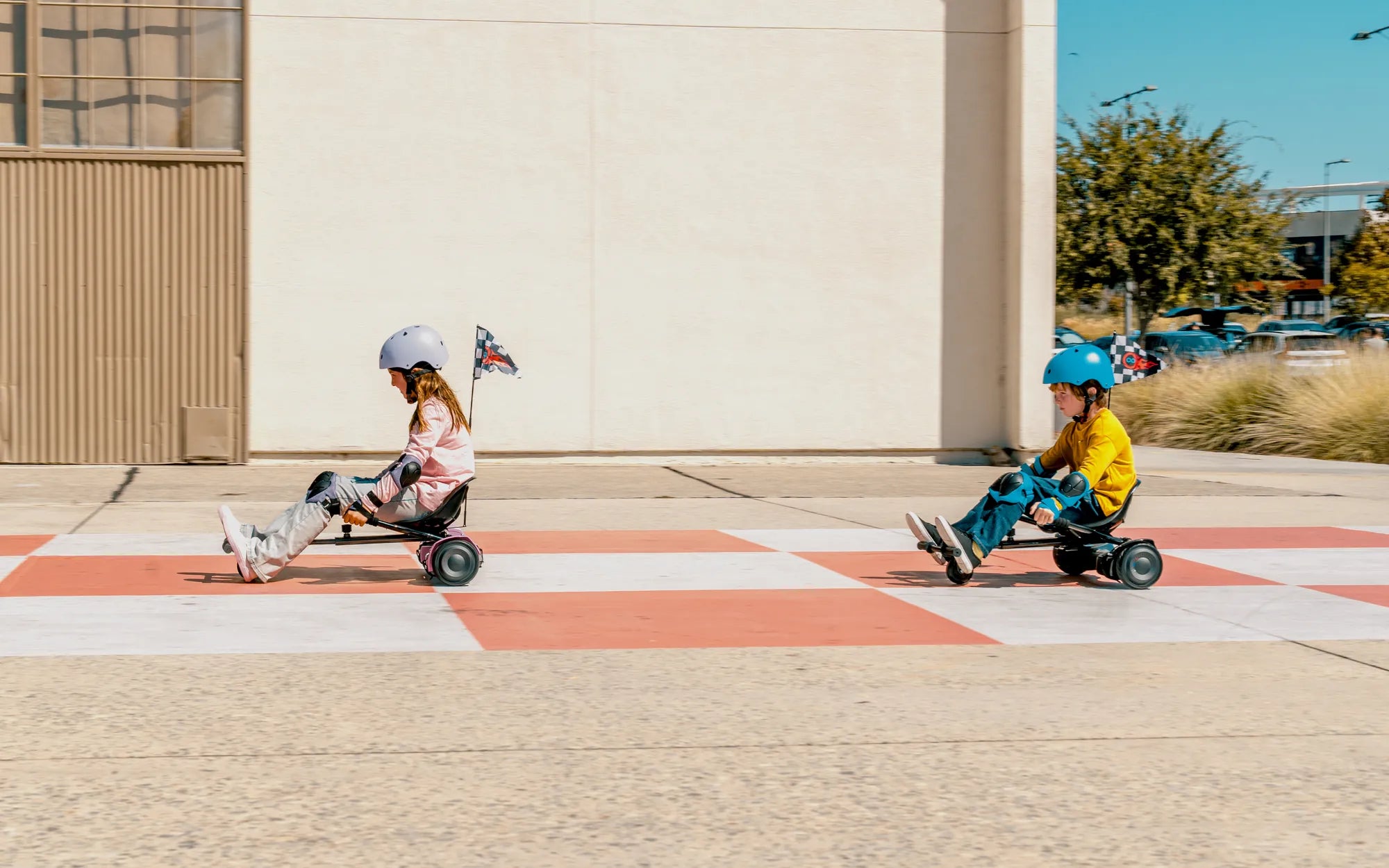
Ever since hoverboards burst onto the scene, they've captured the imagination of tech enthusiasts and casual users alike. But one question lingers: does the hoverboard actually hover? The answer might surprise you. Let's peel back the layers of marketing hype and explore the reality behind these sleek, self-balancing scooters.
The Origins of the Hoverboard
The term "hoverboard" conjures images of futuristic levitation, thanks in part to pop culture references like Back to the Future. However, the modern hoverboard is far from the floating skateboard depicted in movies. Instead, it's a two-wheeled, self-balancing electric scooter that relies on gyroscopic technology to stay upright. So, why the misleading name? Marketing plays a big role here—calling it a hoverboard makes it sound more exciting than "self-balancing scooter."
How Do Hoverboards Work?
To understand whether hoverboards hover, we need to look at how they function. These devices use a combination of sensors, motors, and gyroscopes to detect shifts in the rider's weight. When you lean forward, the sensors signal the motors to spin the wheels, propelling you in that direction. The gyroscopes keep the board balanced, preventing it from tipping over. While this technology is impressive, it's a far cry from actual levitation.
The Science Behind Levitation
True hovering requires overcoming gravity, which typically involves magnetic levitation (maglev) or air propulsion. Maglev trains, for example, use powerful magnets to float above tracks, eliminating friction. Some experimental hoverboards use similar technology, but they require specialized surfaces with embedded magnets or conductive materials. For now, consumer-grade hoverboards don't hover—they roll.
Why Don't Consumer Hoverboards Hover?
The main reason consumer hoverboards don't hover is practicality. Magnetic levitation requires a controlled environment, making it unsuitable for everyday use. Additionally, the energy and infrastructure needed for maglev hoverboards are prohibitively expensive for mass production. Until breakthroughs in portable energy and magnetic technology occur, wheeled hoverboards will remain the norm.
The Future of Hovering Technology
While today's hoverboards don't hover, researchers are making strides in levitation technology. Companies and startups are experimenting with air-powered and magnetic hoverboards, though these are still in the prototype phase. For now, the dream of a truly floating hoverboard remains just that—a dream. But who knows? With rapid advancements in tech, the hoverboards of tomorrow might finally live up to their name.
So, does the hoverboard actually hover? Not yet—but that doesn't make them any less fun. Whether you're zipping around the neighborhood or mastering tricks, these gadgets offer a glimpse into a future where hovering might just be possible. Stay tuned, because the next big leap in hoverboard tech could be just around the corner.
How Big Is a Hoverboard: A Complete Guide to Dimensions and Portability
How Do You Know If a Hoverboard Is Charging: A Complete Guide