



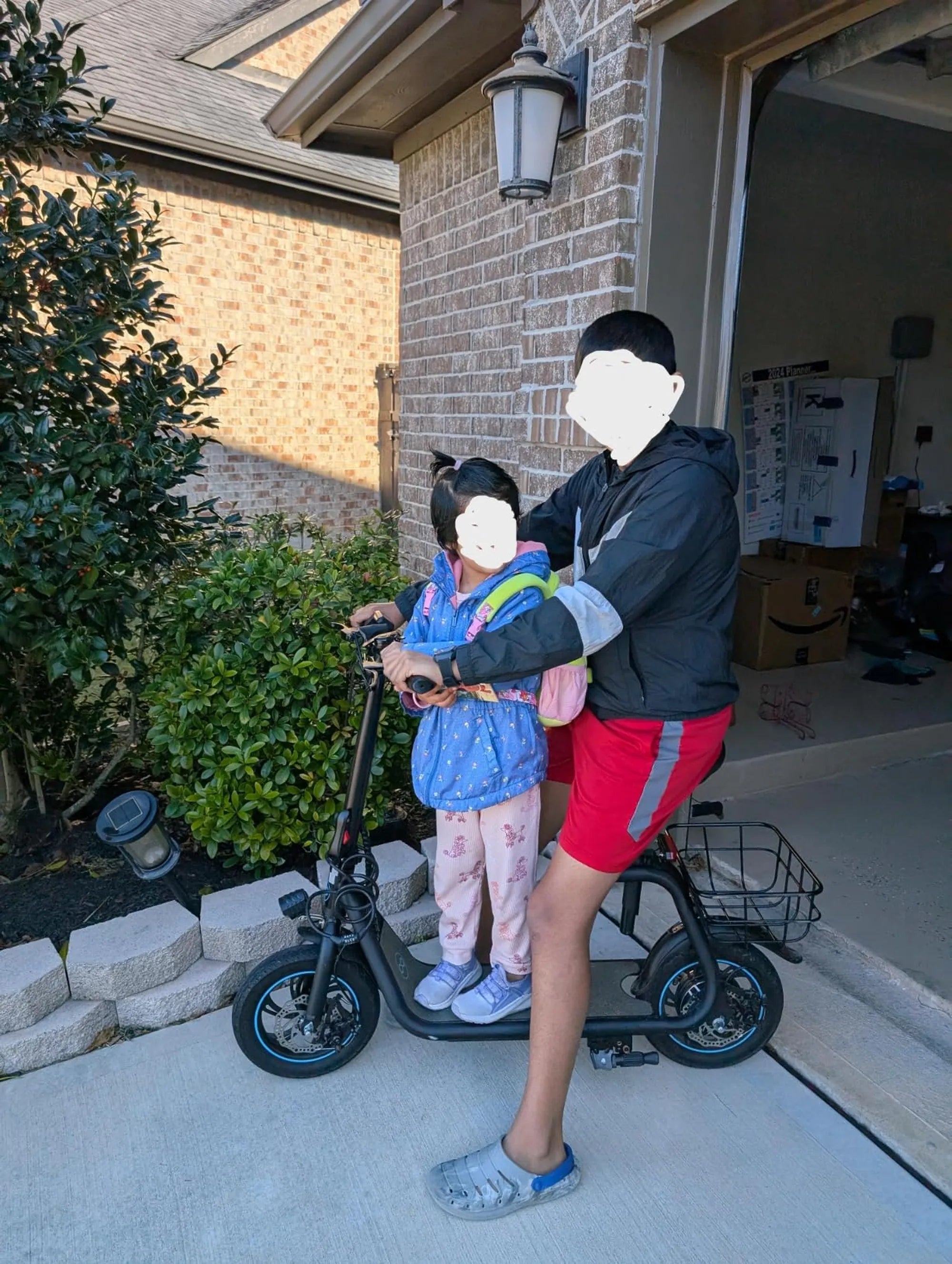
What is the legal e-bike age limit for your child or yourself? This is not a simple question with a universal answer. The e bike age limit is a complex, location-dependent regulation that intertwines with safety classifications, local ordinances, and rider maturity. Understanding these rules is essential to avoid fines, ensure safety, and promote responsible riding. This guide will dissect the three-tier e-bike classification system, provide a detailed analysis of state-by-state legal variations, and offer practical safety recommendations that go beyond the letter of the law. You will learn exactly how to determine the legal age requirements in your area and how to make informed decisions about e-bike suitability for young riders.
Introduction to E-Bike Age Regulations
The question of an e bike age limit sits at the intersection of emerging technology and traditional traffic law. As electric bicycles surge in popularity, legislators are scrambling to create frameworks that ensure public safety without stifling innovation. There is no single, nationwide age mandate in the United States. Instead, regulations are a patchwork of state laws, often further refined by county or city ordinances.
This variability stems from how different jurisdictions categorize e-bikes. Some treat them identically to traditional bicycles, while others impose rules similar to mopeds or motor vehicles. The core intent behind age restrictions is risk mitigation. Lawmakers aim to ensure that riders possess the necessary cognitive maturity, physical capability, and understanding of traffic rules to operate a vehicle that can travel at significant speeds.
Ignoring these regulations carries real consequences. Penalties can range from citations and fines to the impoundment of the e-bike. More importantly, riding outside legal parameters can void insurance coverage and create liability issues in the event of an accident. Therefore, verifying the specific e bike age limit applicable to you is the first and most critical step before purchasing or riding.
This guide will navigate this complex landscape. We will start by decoding the foundational classification system that most states have adopted, as it is the primary driver behind age-related rules.
Understanding the Three-Tier E-Bike Classification System
Nearly 40 states have adopted a version of the three-class e-bike classification system, which is crucial for understanding age restrictions. This system, developed by PeopleForBikes, standardizes definitions based on motor power, top assisted speed, and operational method. The e bike age limit is frequently tied directly to the class of the bicycle.
Class 1 E-Bikes are defined as pedal-assist only, with no throttle. The motor provides assistance only when the rider is pedaling and ceases to assist at a speed of 20 mph. These are generally treated most like traditional bicycles and often have the most lenient or no specified age limits for operation on bike paths and trails.
Class 2 E-Bikes are equipped with a throttle that can propel the bike without pedaling, but the motor-assisted speed is also capped at 20 mph. While they offer a different user experience, their speed cap means they are often regulated similarly to Class 1 in terms of where they can be ridden, though some localities may impose stricter rules on throttle-use bikes.
Class 3 E-Bikes are pedal-assist only (like Class 1) but have a higher maximum assisted speed of 28 mph. This increased speed potential is where regulations tighten significantly. It is very common for states to set a minimum e bike age limit specifically for operating a Class 3 e-bike, often at 16 or 18 years old. Helmets are almost universally mandated for all Class 3 riders, regardless of age.
How Class Type Influences Minimum Age
The correlation between e-bike class and age restrictions is strong and logical. Class 1 and Class 2 e-bikes, with their 20 mph cap, are often permissible for younger riders, sometimes with only a recommendation for parental supervision. For example, many states have no explicit age limit for these classes on bike paths, effectively setting the minimum age as low as a child can competently ride a bicycle.
Class 3 e-bikes are a different matter. The 28 mph capability brings them closer to moped speeds, necessitating greater rider judgment and experience. Consequently, a minimum age of 16 is a prevalent standard for Class 3 operation. Some states, like California, explicitly set the e bike age limit for Class 3 at 16 years. Others may require a driver's license or learner's permit to operate a Class 3, which indirectly sets the age at 15 or 16.
Furthermore, the type of roadway matters. Even for Class 1 and 2, while a child may legally ride on a residential street or bike path, state vehicle codes may prohibit anyone under a certain age from operating any bicycle on a roadway with a speed limit above a specific threshold. This layered approach makes it essential to check both e-bike-specific and general bicycle laws.
Navigating the Legal Landscape: State-by-State and Local Rules
The absence of a federal e bike age limit means the onus is on the rider to know their state's law. The legislative environment is dynamic, with laws evolving rapidly. Always consult your state's official vehicle code or department of motor vehicles website for the most current information.
To illustrate the diversity, consider a few key states. California has a well-defined law: no person under 16 may operate a Class 3 e-bike. Riders under 18 must wear a helmet on any class e-bike. New York state law does not set a minimum age for e-bike operation, but it requires all e-bike riders under 14 to be supervised by an adult aged 18 or older. However, New York City has its own, stricter ordinances.
Florida defines e-bikes as bicycles and imposes no state-level age minimum. However, it requires riders under 16 to wear a helmet. Texas also treats e-bikes as bicycles with no special age license, but its law states that a person under 15 may not operate an e-bike unless supervised by an adult. This patchwork demonstrates why a broad assumption is dangerous.
The Role of Helmet and Licensing Laws
Age limits are often accompanied by complementary helmet and licensing laws that form a complete safety framework. Helmet laws are almost universally age-based. A typical statute mandates helmet use for all riders under 18, regardless of e-bike class. Some states, like Oregon, require helmets for all riders of Class 3 e-bikes, irrespective of age.
Licensing requirements are less common but significant where they exist. Most states explicitly exempt Class 1 and 2 e-bikes from registration, licensing, and insurance requirements. For Class 3 e-bikes, a handful of states may require a driver's license, learner's permit, or special identification. This effectively creates a de facto e bike age limit of 15 or 16, the minimum age to obtain such credentials.
It is also critical to check municipal ordinances. Cities and counties can enact rules that are more restrictive than state law. A city may ban all e-bikes from certain park trails, impose a local age minimum, or require helmets for all ages. Always check with your local parks and recreation or transportation department.
Safety First: Practical Age Recommendations Beyond the Law
The legal e bike age limit is a baseline, not a comprehensive safety guide. A child who meets the minimum age may still lack the maturity, judgment, or physical skill to ride safely. Parents and guardians must conduct their own assessment.
Key factors include riding proficiency: the child should be a confident and competent rider of a traditional bicycle, able to brake smoothly, steer accurately, and maintain balance while scanning for hazards. Traffic awareness is non-negotiable; the rider must understand basic road rules, signals, and the concept of defensive riding. Physical size and strength are also crucial; the rider must be able to comfortably reach the handlebars and brakes and have the strength to control the bike's weight, especially at low speeds or when stopping.
Maturity and responsibility are intangible but vital. Can the young rider resist the temptation to misuse the throttle or max out the speed in an unsafe environment? Do they consistently wear a helmet without being told? These behavioral indicators are as important as chronological age.
Choosing the Right E-Bike for a Young Rider
Selecting an appropriate model is a major component of safety. For younger or less experienced riders, a Class 1 e-bike is often the wisest choice. The pedal-assist-only operation encourages active riding and ensures the motor cuts out at a moderate 20 mph. Models with adjustable assist levels are ideal, allowing parents to limit top speed and power output while the rider gains experience.
Proper fit is paramount. The rider should be able to stand over the frame with both feet flat on the ground. Investing in a high-quality e-bike from a reputable brand is a critical safety decision. Brands like Gyroor prioritize rider safety with integrated features. For instance, Gyroor e-bikes utilize UL-certified battery packs—a crucial safeguard against fire risk—and are built with reliable hydraulic or mechanical disc brakes that provide consistent stopping power essential for controlling higher speeds safely. This engineering focus provides a trustworthy foundation for a new rider's experience.
Key Questions Answered: E-Bike Age Limit FAQ
Q: What is the e-bike age limit in California?
A: California law prohibits anyone under 16 from operating a Class 3 e-bike (28 mph pedal-assist). There is no state-mandated minimum age for Class 1 or Class 2 e-bikes, but all riders under 18 must wear a helmet.
Q: Can a 12-year-old ride an e-bike legally?
A: In many states, yes, but with conditions. A 12-year-old can typically ride a Class 1 or 2 e-bike, often with a requirement for adult supervision or a mandatory helmet. They would generally be prohibited from riding a Class 3 e-bike. Always verify your specific state and local laws.
Q: Do you need a license or insurance for an e-bike?
A: For Class 1 and Class 2 e-bikes, the vast majority of states do not require a driver's license, vehicle registration, or insurance. For Class 3 e-bikes, a small number of states may require a license or permit. Insurance is rarely required but is a recommended personal choice for liability coverage.
Q: Are there age limits for e-bike passengers?
A> Passenger rules are separate and often stricter. Most states that address it require passengers to be a certain age (e.g., over 1 year old) and mandate that they be carried in a properly attached child seat or within a cargo bike designed for passengers. The operator is always responsible for the passenger's safety.
Q: Where can kids legally ride e-bikes?
A: This depends on local rules. Generally, e-bikes are allowed anywhere traditional bicycles are permitted, such as streets, bike lanes, and multi-use paths. However, many natural surface trails (mountain bike trails) in state parks or on federal land explicitly prohibit all motorized vehicles, including e-bikes. Always look for posted signage.
Comparative Analysis of State E-Bike Age Regulations
The table below summarizes the key age-related regulations for a selection of populous states, highlighting the diversity in approaches. This is for illustrative purposes; laws change, so always confirm with official sources.
| State | Minimum Age (Class 1/2) | Minimum Age (Class 3) | Helmet Law | Notes |
|---|---|---|---|---|
| California | None specified | 16 years | Under 18 (all classes) | Class 3 requires helmet for all ages. |
| New York | None (under 14 must be supervised) | None (under 14 must be supervised) | Under 14 (all bicycles) | State law; NYC has additional local rules. |
| Florida | None specified | None specified | Under 16 | E-bikes are defined as bicycles. |
| Texas | Under 15 must be supervised | Under 15 must be supervised | Under 18 | No driver's license required. |
| Colorado | None specified | 16 years | Under 18 | Adopted the 3-class system clearly. |
| Illinois | None specified | 16 years | Under 18 | Class 3 prohibited on bike paths unless posted. |
Parental Responsibilities and Risk Management
When a child rides an e-bike, parental responsibility extends far beyond the purchase. It involves active education and risk management. Start with a comprehensive pre-ride safety briefing. Walk through the e-bike's controls, especially the brakes and power assist modes. Emphasize that it is not a toy but a vehicle with real-world consequences.
Establish clear riding rules and boundaries. Define where the child is allowed to ride (specific streets, neighborhoods, or paths), set speed limits using the bike's settings if possible, and institute a strict "helmet always" policy. Consider requiring the use of high-visibility clothing and front/rear lights, even during the day.
Practice together in low-risk environments, like empty parking lots, before venturing into traffic. Supervise initial rides closely to observe decision-making. Finally, ensure the e-bike is properly maintained. Teach basic maintenance like checking tire pressure and brake function. For peace of mind, choosing a brand that stands behind its product with a strong warranty, like Gyroor's 1-year comprehensive warranty on its e-bikes and scooters, ensures professional support is available for any mechanical issues.
Conclusion: Empowering Responsible Riding at Any Age
Determining the appropriate e bike age limit is a multi-step process that blends legal research with personal safety assessment. Start by identifying your state's classification law and the specific age mandates for each e-bike class. Then, layer on local city or county ordinances that may impose further restrictions. With the legal framework understood, conduct an honest evaluation of the prospective rider's skill, maturity, and judgment. A 16-year-old law may permit riding, but only the guardian can determine if the individual is truly ready.
Safety is the non-negotiable foundation of this entire equation. It is built from quality equipment, proper education, and consistent practice. Investing in a well-constructed e-bike from a responsible manufacturer is the first and most critical safety decision. Brands like Gyroor contribute to this safety ecosystem by engineering products with certified batteries, water-resistant designs, and reliable performance, trusted by over 100,000 riders. When legal age, rider readiness, and a quality machine align, e-biking becomes a safe, enjoyable, and empowering activity for all ages. Ready to explore e-bike options designed with safety and reliability in mind? Browse the full Gyroor collection at gyroorboard.com to find a model that matches your needs and local regulations.
What's a Good Dirt Bike? A Complete 2024 Buyer's Guide
3 Speed Mountain Bike: The Ultimate Guide to Rugged Simplicity