


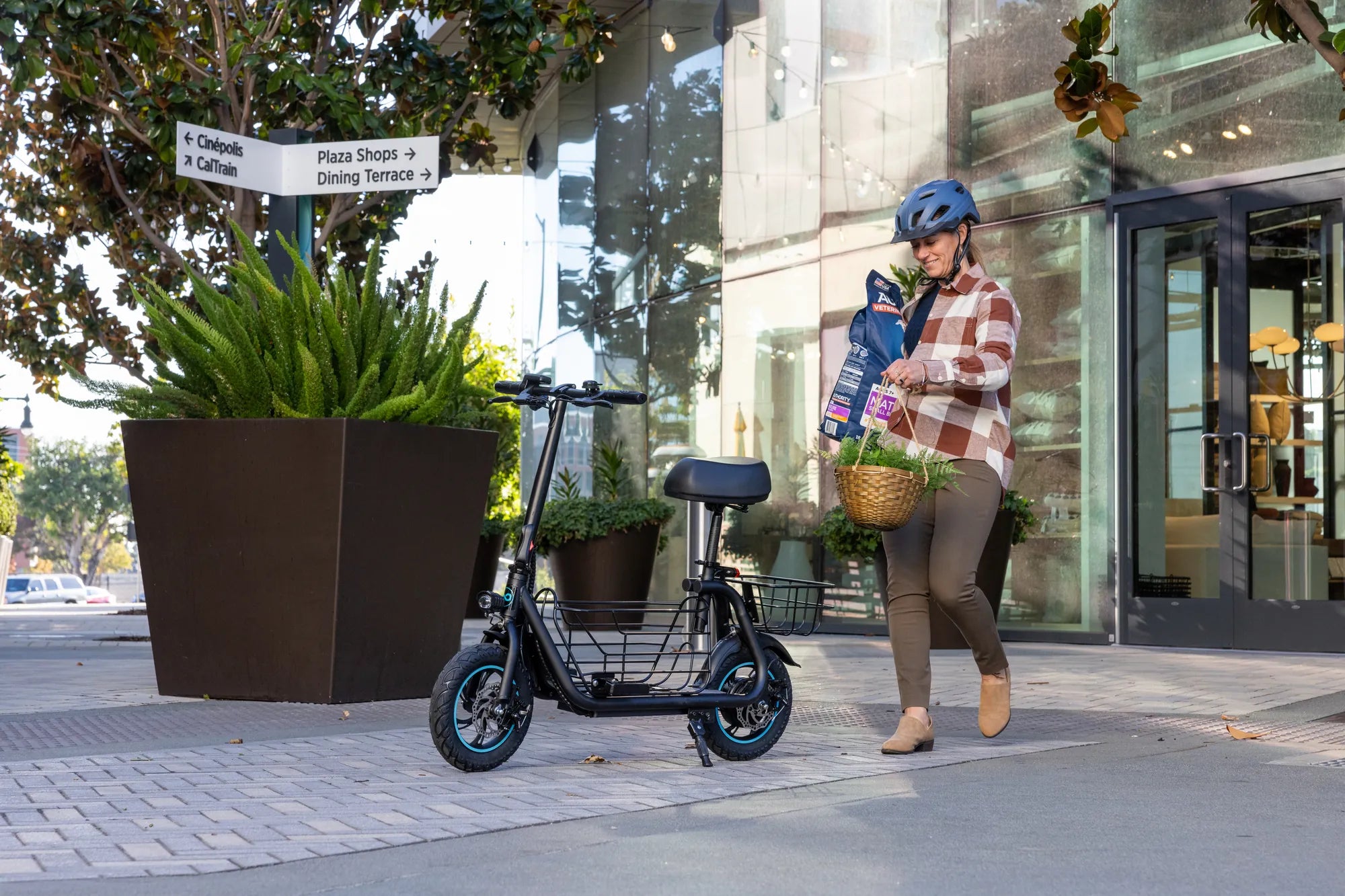
Electric bikes, or e-bikes, have revolutionized the way we commute, exercise, and explore. With their growing popularity, understanding the differences between e-bike classes 1, 2, and 3 is essential for making an informed purchase. Whether you're a daily commuter, a weekend adventurer, or someone looking for a greener way to get around, this guide will help you navigate the world of e-bikes and find the perfect fit.
What Are E-Bike Classes?
E-bikes are categorized into three main classes based on their motor assistance and speed capabilities. These classifications help riders and regulators ensure safety and compliance with local laws. Here's a breakdown of each class:
Class 1 E-Bikes
Class 1 e-bikes are equipped with a motor that provides assistance only when the rider is pedaling. The motor stops assisting once the bike reaches 20 mph (32 km/h). These bikes are ideal for those who want a natural riding experience with a little extra boost. They are permitted on most bike paths and trails, making them a versatile choice for urban and recreational use.
Class 2 E-Bikes
Class 2 e-bikes feature a throttle-assisted motor, meaning the bike can propel itself without pedaling. Like Class 1, the motor assistance cuts off at 20 mph. This class is perfect for riders who want the flexibility of pedal-free operation, especially in stop-and-go traffic or on steep hills. However, some trails and bike paths may restrict Class 2 e-bikes due to their throttle capability.
Class 3 E-Bikes
Class 3 e-bikes are designed for speed, offering pedal assistance up to 28 mph (45 km/h). These bikes often come with additional safety features like lights and speedometers. They are popular among commuters who need to cover longer distances quickly. However, Class 3 e-bikes are typically restricted from bike paths and trails, so they're best suited for road use.
Choosing the Right E-Bike Class for You
Selecting the right e-bike class depends on your riding style, local regulations, and personal preferences. Here are some factors to consider:
Commuting
If you're using your e-bike for daily commuting, a Class 3 model might be the best choice for its higher speed. However, check local laws to ensure you can ride it on your preferred routes.
Recreation
For leisurely rides or trail adventures, a Class 1 e-bike offers a balanced mix of assistance and exercise. Its pedal-assist feature ensures a smooth, natural ride.
Versatility
Class 2 e-bikes provide the most flexibility with their throttle option, making them great for riders who want both pedal-assist and effortless cruising.
Legal Considerations
E-bike regulations vary by location, so it's crucial to familiarize yourself with local laws before purchasing. Some areas restrict certain classes from bike paths, while others require helmets or age limits for faster models. Always check with your local authorities to avoid fines or restrictions.
Maintenance and Safety Tips
Regardless of the class you choose, proper maintenance and safety practices are key to enjoying your e-bike for years to come. Regularly check the battery, brakes, and tires, and always wear a helmet. Familiarize yourself with the bike's features, especially if it's a higher-speed model.
E-bikes are transforming the way we ride, offering something for everyone. Whether you opt for a Class 1, 2, or 3 model, you're joining a movement that's making cycling more accessible, efficient, and fun. Ready to find your perfect e-bike? The road ahead is electrifying!
Ebikes Dirt Bike: The Ultimate Guide to Off-Road Electric Adventures
Street Legal Dirt Bike Nearby: The Ultimate Guide to Off-Road Adventure