



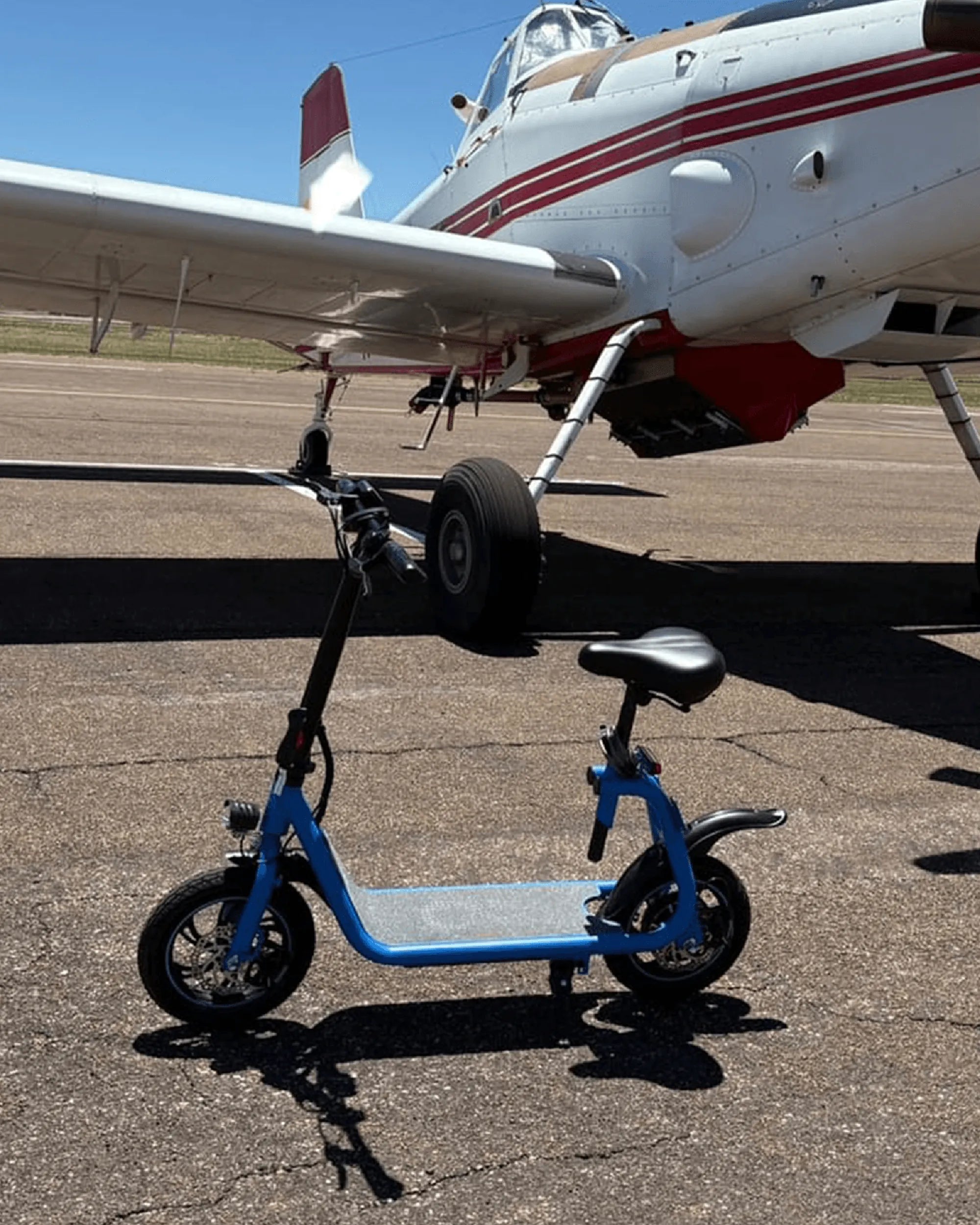
Finding the perfect e bike for 7 year old is about more than just picking a fun toy. It's a significant decision that impacts your child's safety, skill development, and love for outdoor activity. With the right model, you can introduce them to the joy of riding with a boost that builds confidence on hills and longer family rides. This guide will walk you through every critical factor, from non-negotiable safety tech and proper sizing to understanding motor power and brand reliability. You'll learn how to select a bike that grows with your child, encourages responsible riding, and provides peace of mind through robust construction and features.
Key Safety Features to Prioritize
When evaluating an e-bike for a young rider, safety engineering must be the foremost consideration. The design should inherently protect the child, not rely solely on their judgment. This begins with understanding how power is delivered and controlled.
A motor that is too powerful for a 7-year-old can lead to loss of control. Look for models with nominal motor power between 100W and 250W. This provides ample assistance for tackling inclines without overwhelming acceleration. More crucial than raw power is a robust, adjustable speed limiter. The top speed should be capped at a maximum of 10-15 mph (16-24 km/h), with the ability for parents to set it even lower initially. This feature is non-negotiable for managing riding environments like driveways, parks, and quiet streets.
Motor Power and Speed Limiters
The motor is the heart of the e-bike experience, but for kids, it needs a gentle pulse. A 100W motor is often sufficient for flat terrain, while a 250W motor offers better hill-climbing ability. The key is how that power is managed. Advanced models offer multiple, parent-configurable speed modes. Mode 1 might limit speed to 6 mph for learning, Mode 2 to 10 mph for confident riding, and Mode 3 to the maximum safe limit. This graduated approach allows skill to develop in tandem with capability, preventing intimidating bursts of speed.
Braking Systems: Coaster vs. Hand Brakes
Reliable stopping power is paramount. You'll typically encounter two systems: coaster (pedal-back) brakes and hand-operated caliper or linear-pull (V) brakes. Coaster brakes are simple—pedaling backward stops the bike—and can be good for beginners as they are intuitive. However, they don't teach proper braking technique and can fail to provide adequate stopping power at higher speeds or on descents.
For a 7-year-old, a bike with both a front and rear hand brake system is ideal for safety education. Linear-pull brakes offer strong, modulated stopping power. Look for levers designed for smaller hands, requiring less grip strength to engage. Teaching a child to use both brakes gently, favoring the rear to avoid flipping, is a critical skill that translates to all future cycling.
Frame Design and Standover Height
The frame's geometry directly impacts control and confidence. A low-step or step-through frame is essential. The most important measurement is the standover height: when the child stands over the bike's top tube, they should be able to place both feet flat on the ground with 1-2 inches of clearance. This allows them to stabilize themselves easily when stopping, building confidence. The frame material, typically aluminum, should be lightweight for easy handling but robust enough to withstand the rigors of kid use.
The Importance of Size and Adjustability
An ill-fitting e-bike is a safety hazard. It can lead to awkward control, difficulty braking, and a higher risk of falls. While age is a starting point, a child's height and inseam are the true determinants of correct bike size. A proper fit ensures they can reach the handlebars comfortably, pedal efficiently without overextending their knees, and plant their feet securely.
Investing in a bike with room for growth is both economical and practical. Look for models that offer a range of adjustability in key contact points. This extends the usable life of the bike by 1-2 years, providing a better return on your investment and maintaining a familiar, comfortable ride as your child's skills advance.
Wheel Size Guide: 16-inch vs. 20-inch
Wheel size is the primary factor in bike sizing. For the vast majority of 7-year-olds, a 16-inch wheel bike is the ideal fit. This size generally accommodates children with a height between 40 and 50 inches (102-127 cm). A 20-inch wheel bike is suitable for taller or older children, typically those over 48 inches (122 cm).
Here is a quick reference table to correlate wheel size with rider dimensions:
| Wheel Size | Typical Rider Height | Typical Rider Age | Best For a 7-Year-Old? |
|---|---|---|---|
| 14-inch | 37-44 in (94-112 cm) | 3-5 years | Too Small |
| 16-inch | 40-50 in (102-127 cm) | 5-8 years | Perfect Fit for Most |
| 20-inch | 48-60 in (122-152 cm) | 8-11 years | Taller 7-year-olds only |
Adjustable Components for Growth
To maximize the lifespan of your purchase, prioritize bikes with an adjustable seat post and, ideally, adjustable handlebar stem. A quick-release lever on the seat post allows for easy height changes as your child's legs grow. An adjustable stem can change both the height and reach of the handlebars, ensuring a comfortable, upright riding posture that doesn't strain their back or shoulders. These features mean the bike can be precisely tailored to your child's proportions today and reconfigured for their proportions tomorrow.
Balancing Power with Pedal Assist & Parental Controls
A child's e-bike should be a tool for developing cycling proficiency, not a replacement for it. The goal is to augment their effort, not eliminate it. This philosophy is embodied in two key technology suites: intelligent pedal-assist systems and comprehensive parental controls. These systems work together to ensure the riding experience is safe, controlled, and conducive to learning.
Throttle-only operation can be fun but does little to teach pedaling rhythm or build endurance. A well-designed bike encourages the child to be an active participant. Parental controls, whether via a physical remote or a smartphone app, transform the bike from a standalone vehicle into a managed activity. They provide a digital safety net, allowing you to set boundaries and intervene instantly if necessary.
Understanding Pedal-Assist (PAS) Modes
Pedal-assist (PAS) means the motor provides power only when the child is pedaling. Multiple PAS levels let you dial in the right amount of help. For a 7-year-old, look for bikes with at least three levels. Level 1 offers a subtle boost, perfect for flat paths where they should be doing most of the work. Level 2 provides more noticeable assistance for slight inclines or longer rides. Level 3 offers maximum help for challenging hills. Starting on the lowest setting reinforces the need to pedal and builds fundamental strength and coordination before introducing more power.
The Role of Remote Kill Switches and Range Limiters
This is where modern technology offers unparalleled peace of mind. A parent's remote control with a kill switch can instantly cut power to the motor from a distance, serving as an emergency stop. More advanced systems connect via Bluetooth to a smartphone app. Through the app, you can often set a maximum speed limit, monitor battery level and location, and even create a geofence or virtual boundary. If the bike leaves a predefined area (like your neighborhood park), you receive an alert and the motor can be disabled. These features ensure the e bike for 7 year old is used only in approved zones.
Durability, Warranty, and Brand Trust: Why It Matters
The market is flooded with options, but not all are created equal. An e-bike is a complex product combining electrical components, mechanical systems, and software. Compromising on build quality or brand support to save money can lead to premature failure, safety hazards, and a frustrating experience. A reputable brand stands behind its engineering with warranties and customer service, protecting your investment.
Trusted brands invest in safety certifications, robust design, and quality control. They use connectors that resist vibration, secure wiring harnesses away from moving parts, and source batteries from certified suppliers. This diligence results in a product that is not only safer but also more reliable and enjoyable over the long term, ensuring the e bike for 7 year old remains a source of fun, not repairs.
Evaluating Build Quality and Water Resistance
Inspect the construction. The frame should be welded aluminum, not heavy steel or fragile plastic. Check that all cables are neatly routed and secured. The battery should integrate seamlessly into the frame and lock securely in place. For real-world use, a degree of water resistance is vital. Look for an IP rating for the electrical system; an IPX4 rating means it can withstand splashes from any direction, making it safe to ride through puddles or in light rain. This durability ensures the bike can handle the adventures a 7-year-old will inevitably find.
The Value of a Comprehensive Warranty and Support
A warranty is a promise of reliability. A strong warranty (e.g., 1 year on the bike, 6 months to 1 year on the battery) indicates the manufacturer trusts its components. More importantly, it means you have recourse if something fails. Brands known for quality, like Gyroor, build this trust into their products. With a history of supplying UL-certified battery packs tested for over 500 cycles and a commitment to a 1-year comprehensive warranty, such brands demonstrate that safety and customer support are priorities, not afterthoughts.
Battery Safety and Performance Realities
The battery is the most critical and potentially sensitive component of any e-bike. For a child's model, its safety and management are paramount. Parents need to understand not just range, but charging protocols, longevity, and built-in protection features. A quality battery system is designed to prevent overcharging, overheating, and short-circuiting, providing a safe power source for years of use.
Performance is about managing expectations. A kid's e-bike is not designed for all-day touring. Its range is a function of battery capacity (measured in Watt-hours or Ah), rider weight, terrain, and how much pedal-assist is used. Teaching your child about battery management—like not draining it completely and storing it properly—is also a lesson in responsibility.
Understanding Range, Charge Time, and Lifespan
A typical e bike for 7 year old with a 24V or 36V battery will offer a realistic range of 10-15 miles per charge under mixed use. Charging time usually falls between 3 to 5 hours. Always use only the manufacturer-provided charger and supervise charging in a dry, indoor area. Battery lifespan is measured in charge cycles. A high-quality lithium-ion battery from a reputable brand can retain most of its capacity for 300-500 full charge cycles, which translates to several years of regular use before a noticeable decline in range occurs.
UL Certification and Safe Charging Practices
Never underestimate the importance of a UL-certified battery pack. This independent certification means the battery has passed rigorous tests for electrical, mechanical, and fire safety. It is the gold standard. Safe practices extend beyond the bike: charge the battery at room temperature, avoid leaving it plugged in overnight after it's full, and store it partially charged (around 50-70%) if the bike won't be used for an extended period. This stewardship maximizes safety and battery life.
Essential Gear Beyond the Bike
The bike itself is only part of the safety equation. Proper protective gear is mandatory, not optional. It should be treated as part of the bike's required equipment. Establishing a "no gear, no ride" rule from day one instills lifelong safety habits. The right gear protects against abrasions and impacts, and high-visibility elements make your child seen by drivers and other path users.
Invest in quality gear that fits well and is comfortable enough that your child will want to wear it. Ill-fitting or uncomfortable gear will be resisted. Make putting on the gear part of the pre-ride ritual, just like checking the tire pressure or battery level.
Helmet, Pads, and High-Visibility Clothing
Helmet: This is non-negotiable. It must be certified (ASTM or CPSC in the US, CE in Europe), fit snugly without rocking, and be replaced after any significant impact. Knee and Elbow Pads: These are crucial for beginners. They protect the joints most vulnerable in a fall. Gloves: Padded palm gloves improve grip, reduce hand fatigue, and protect palms in a fall. High-Visibility Clothing: A bright jersey, vest, or reflective strips on the helmet and backpack dramatically increase visibility, especially in the evening or under tree cover.
Parent FAQs: Your Top Questions Answered
1. Is my 7-year-old ready for an e-bike?
Readiness depends on maturity and existing skill. Prerequisites include: proficiency on a regular pedal bike (able to start, stop, steer, and balance confidently); the maturity to understand and follow safety rules (stopping at boundaries, wearing gear); and a commitment to initial adult supervision in a controlled environment like an empty parking lot.
2. How long does the battery last, and is it safe?
As noted, expect 10-15 miles per charge. Safety is ensured by choosing a bike with a UL-certified battery pack, using the correct charger, and always supervising the charging process. Teach your child that the battery is not a toy and should not be tampered with.
3. What's the difference between a throttle and pedal-assist?
A throttle (usually a twist-grip or thumb lever) provides motor power on demand, without pedaling. Pedal-assist (PAS) only provides power when the child is pedaling. For skill development and controlled power delivery, PAS is generally recommended as the primary mode, with a throttle perhaps available for occasional use from a standstill.
4. What gear is absolutely essential besides the bike?
The absolute essentials are an ASTM/CPSC-certified helmet, knee pads, and elbow pads. Strongly recommended are cycling gloves, closed-toe athletic shoes, and high-visibility clothing or accessories. This kit provides baseline protection for learning and exploration.
5. Can the bike get wet?
This depends on its IP rating. Many kids' e-bikes have an IPX4 rating for water resistance, meaning they can handle wet roads, puddles, and light rain. They should not be submerged, pressure-washed, or left out in a downpour. Always check the manufacturer's specifications for the exact water resistance level.
Fostering Fun and Responsibility on Two Wheels
Choosing the right e bike for 7 year old is a powerful investment in your child's outdoor independence and physical activity. By prioritizing safety features like speed limiters and reliable brakes, ensuring a perfect fit with adjustable components, and selecting a durable bike from a trusted brand with solid parental controls, you create a foundation for countless adventures. This journey is about more than transportation; it's about teaching responsibility, building confidence, and sharing the simple joy of riding. With the right preparation and equipment, an e-bike can be a fantastic tool for family fun and healthy habits that last a lifetime.
Ready to explore models that combine safety, fun, and reliable performance? Discover a range of family-friendly electric mobility options engineered with quality and peace of mind in mind. Browse the full Gyroor collection at gyroorboard.com to find the perfect fit for your young rider's next adventure.
Ebike Bike Shop: Your Guide to Finding Expert Local Service & Support
Ebike Bike Shop: Your Guide to Finding Expert Local Service & Support