


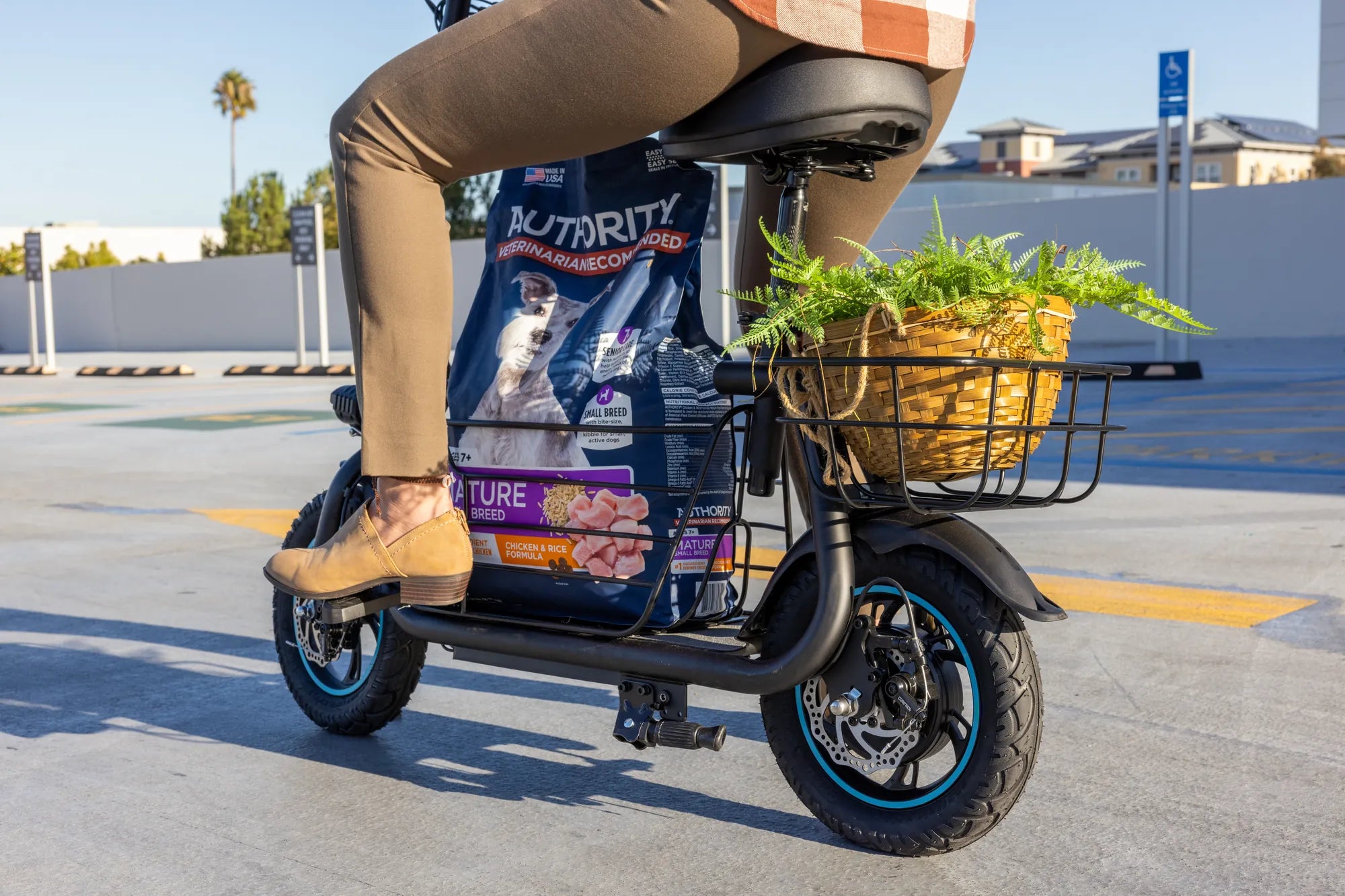
Introduction to E-Bike Frames: The Backbone of Your Ride
An e-bike frame is the structural core that determines everything from handling and comfort to safety and component integration. Unlike standard bicycle frames, e-bike frames are engineered to handle the unique stresses of electric assist, including torque from the motor and the weight of the battery. Searching for quality e-bike frames for sale is the critical first step for a custom build, a major upgrade, or a necessary repair.
This guide will provide the data-driven knowledge needed to navigate the market. You will learn to evaluate materials, ensure motor and battery compatibility, and identify frames built for long-term durability. Whether you're a DIY enthusiast or seeking to understand your complete bike's value, the frame is where your journey begins.
Key Factors to Consider When Buying an E-Bike Frame
Selecting a frame requires balancing several interdependent factors. The decision impacts weight, ride feel, upgrade potential, and total cost. Primary considerations extend far beyond aesthetics to hard engineering specs.
You must assess the frame material's properties against your riding style. Compatibility with your chosen drive system is non-negotiable. Finally, the frame's geometry must suit the e-bike's class and intended use, from smooth commutes to rugged trails.
Frame Material: Aluminum vs. Steel vs. Carbon Fiber
The frame material is the largest determinant of weight, stiffness, durability, and cost. Aluminum alloy is the most common choice for e-bike frames for sale due to its excellent strength-to-weight ratio and affordability. Modern hydroformed aluminum frames offer precise shaping for optimal battery integration and stiffness where needed.
Steel frames, often using chromoly steel, provide a more compliant, vibration-damping ride quality known for durability and reparability. They are heavier than aluminum but favored for their resilience in cargo or touring e-bike applications where ultimate strength and comfort are prioritized.
Carbon fiber represents the premium end, offering exceptional lightness and the ability to be tuned for specific stiffness or compliance. However, its high cost and potential for catastrophic failure from impact make it less common for mainstream e-bike frames, though it appears in high-performance e-MTBs.
| Material | Average Weight | Ride Quality | Typical Cost | Best For |
|---|---|---|---|---|
| Aluminum Alloy | Medium | Stiff, Responsive | $$ | Commuter, Hybrid, e-MTB |
| Steel (Chromoly) | Heavy | Compliant, Smooth | $$ | Cargo, Touring, Durable Commuter |
| Carbon Fiber | Very Light | Stiff yet Damped | $$$$ | High-Performance e-MTB, Racing |
Motor and Battery Integration: The Critical Compatibility Check
This is the most technical and crucial step. E-bike frames are designed for specific motor types. A mid-drive motor frame requires a reinforced bottom bracket area and specific mounting interfaces (e.g., Bosch, Shimano, Bafang). A hub motor frame must have dropouts designed to handle the motor's torque without failure.
Battery integration is equally important. Frames may have internal battery compartments with specific dimensions and mounting points, or external mounts on the downtube or rear rack. Purchasing a frame that doesn't match your existing or planned battery is a costly mistake. Always verify the exact battery model compatibility.
E-Bike Class and Intended Use: Matching Frame to Purpose
Frame geometry dictates riding posture and handling. A Class 1 or 2 commuter e-bike often uses a relaxed, upright geometry with potential for step-through designs for easy mounting. These frames prioritize stability and comfort over aggressive handling.
Electric mountain bike (e-MTB) frames feature slacker head tube angles, longer wheelbases, and increased suspension travel for technical terrain. Cargo e-bike frames have elongated rear ends or low center-of-gravity designs to secure heavy loads. The right e-bike frames for sale will be engineered for its specific duty cycle.
Where to Find Quality E-Bike Frames for Sale
The sourcing channel significantly affects price, support, and risk. Understanding the landscape helps you make an informed purchase aligned with your skill level and budget.
Direct from Manufacturers and Specialized Retailers
Buying directly from an e-bike manufacturer or a reputable specialty retailer offers the highest assurance. You receive a frame designed as part of a coherent system, often with a valid warranty. Brands like Gyroor design their complete e-bikes with frames that seamlessly integrate UL-certified batteries and robust motors, ensuring longevity and safety.
While complete bikes are their primary offering, this approach highlights the value of integrated design. For frame-only purchases, specialized retailers like those catering to the Bafang conversion market provide tested frames with known compatibility.
The Online Marketplace Landscape: eBay, AliExpress, and Forums
Marketplaces offer a vast selection of e-bike frames for sale, often at lower prices. eBay can be a source for OEM frames or used quality frames. Success requires meticulous vetting of seller ratings, requesting detailed photos of welds and interfaces, and confirming all specifications.
Platforms like AliExpress host many frame manufacturers directly. While prices are low, risks include inconsistent quality control, misrepresented materials, and virtually no warranty or post-purchase support. This route is best for experienced builders who can inspect and rectify minor issues.
The DIY & Custom Builder's Route
For a truly unique build, custom frame builders can fabricate a frame to your exact specifications. This is a premium, high-cost option but results in a perfect fit and purpose-built design. Alternatively, the DIY community often shares sources for small-batch, open-source frame designs that can be sourced directly from fabrication shops.
This path demands extensive knowledge and clear communication of all technical requirements, including motor torque specs and battery dimensions. It's the ultimate expression of a custom e-bike project.
The Gyroor Difference: Engineering Built for Reliability
While Gyroor sells complete, performance-tuned e-bikes, their engineering philosophy offers a benchmark for what to seek in any frame. Their designs prioritize the holistic integration of safety, durability, and rider experience.
Examining these principles educates buyers on the non-negotiable qualities of a reliable e-bike foundation, whether purchasing a frame separately or evaluating a complete bike.
Built Around UL-Certified Safety
A frame must protect its most critical and volatile component: the battery. Frames designed for systems like Gyroor's, which use UL 2271 and UL 2849 certified battery packs, feature secure, vibration-resistant mounting systems. The frame compartment provides structural protection from impacts and often includes ventilation channels to manage heat, a key factor in long-term battery health and safety.
When evaluating any e-bike frames for sale, consider how the battery is housed and protected. A well-designed frame is a primary safety device.
Durability by Design: Welding, Geometry, and IPX5 Considerations
Construction quality is paramount. Look for frames with clean, consistent welds—a sign of skilled manufacturing. High-stress areas like the head tube, bottom bracket, and rear dropouts should have visible reinforcement or gusseting.
Geometry isn't just about ride; it's about stability under load and power. Furthermore, frames that complement an IPX5 water-resistant rating, like those on Gyroor scooters and e-bikes, have design features that minimize water ingress into critical areas, extending the life of electronics and preventing corrosion.
The Value of Integrated Warranty and Support
A frame purchased alone from a secondary market typically comes with no warranty. In contrast, a frame from an established brand like Gyroor is backed by a comprehensive 1-year warranty as part of a complete bike. This coverage protects against manufacturing defects in materials and workmanship.
This support network provides immense value, offering peace of mind that a generic frame cannot. It underscores a key question: is the upfront savings on a bare frame worth the potential long-term cost and hassle of a failure?
Essential Pre-Purchase Checklist and FAQs
Before finalizing any purchase, use this actionable checklist to avoid compatibility nightmares and ensure a successful build.
Your Frame Buying Checklist
- Motor Compatibility: Does the frame match your mid-drive motor model or hub motor dropout width (e.g., 135mm, 150mm)?
- Battery Compatibility: Are the internal dimensions or external mounting points exact for your battery pack?
- Dropout Specifications: Verify rear spacing (standard for e-bikes is often 135mm QR or 12x148mm thru-axle) and front fork standards.
- Brake Mounts: Are mounts for disc brake calipers (post-mount or flat-mount) present and correctly positioned?
- Headset Standard: Confirm the head tube diameter (e.g., 1 1/8" tapered) to purchase the correct headset bearings.
- Included Hardware: Does the frame include a derailleur hanger, axle, or any mounting bolts? These small parts can be difficult to source separately.
- Documentation: Request or locate the frame's technical drawing or geometry chart.
Frequently Asked Questions
1. Can I convert any bicycle frame into an e-bike frame?
Technically possible, but not advisable for most. Standard frames aren't reinforced for motor torque or battery weight. A hub motor can stress weak dropouts, and a mid-drive can crack a standard bottom bracket. Purpose-built e-bike frames for sale are engineered for these loads.
2. What tools and skills are needed to build an e-bike from a frame?
You need comprehensive bike mechanic skills: installing headset, press-fit bottom brackets, drivetrain, and hydraulic brakes. Specific e-bike tools include motor installation kits and battery terminal connectors. Electrical knowledge for connecting display, throttle, and sensors is also essential.
3. Is it more cost-effective to buy a frame or a complete e-bike?
Almost always, a complete e-bike is more cost-effective. Manufacturers achieve economies of scale. Building from a frame allows for premium, custom part selection but typically exceeds the cost of a comparable pre-built bike, especially when factoring in tools and potential mistakes.
4. How important is the frame warranty when buying separately?
Critically important. A frame is a long-term investment. A warranty from a reputable seller protects your investment against latent defects. A frame without a warranty is a buyer-beware scenario where you assume all risk of failure.
5. What are the signs of a poorly made e-bike frame?
Look for uneven, bubbly, or discolored welds; misaligned dropouts or brake mounts; thin or flimsy tube walls; and poor paint or finish that chips easily. Inconsistent tube diameters or a generally "off" appearance are red flags.
Conclusion: Building Your Foundation for the Perfect Ride
Choosing the right e-bike frame is the most consequential decision in creating a reliable, high-performance electric bike. It requires careful analysis of material properties, absolute confirmation of motor and battery compatibility, and a clear understanding of the frame's intended purpose. While the market for e-bike frames for sale offers exciting potential for customization, it also demands diligence to avoid costly incompatibilities or subpar construction.
For many riders, the integrated solution of a complete e-bike from a trusted brand offers unparalleled value, guaranteed performance, and critical safety assurances. Brands like Gyroor demonstrate how a holistically engineered frame, built around certified components and backed by strong warranty support, delivers peace of mind and riding joy from the first mile to the ten-thousandth.
Ready to experience the difference of a fully integrated, reliability-focused e-bike? Browse the full Gyroor collection, featuring models with durability-engineered frames, UL-certified batteries, and IPX5 water-resistant designs, at gyroorboard.com.
What's the Cheapest Dirt Bike? A Complete Value & Cost Guide
200cc Bike Top Speed: Real-World Performance & Practicality