

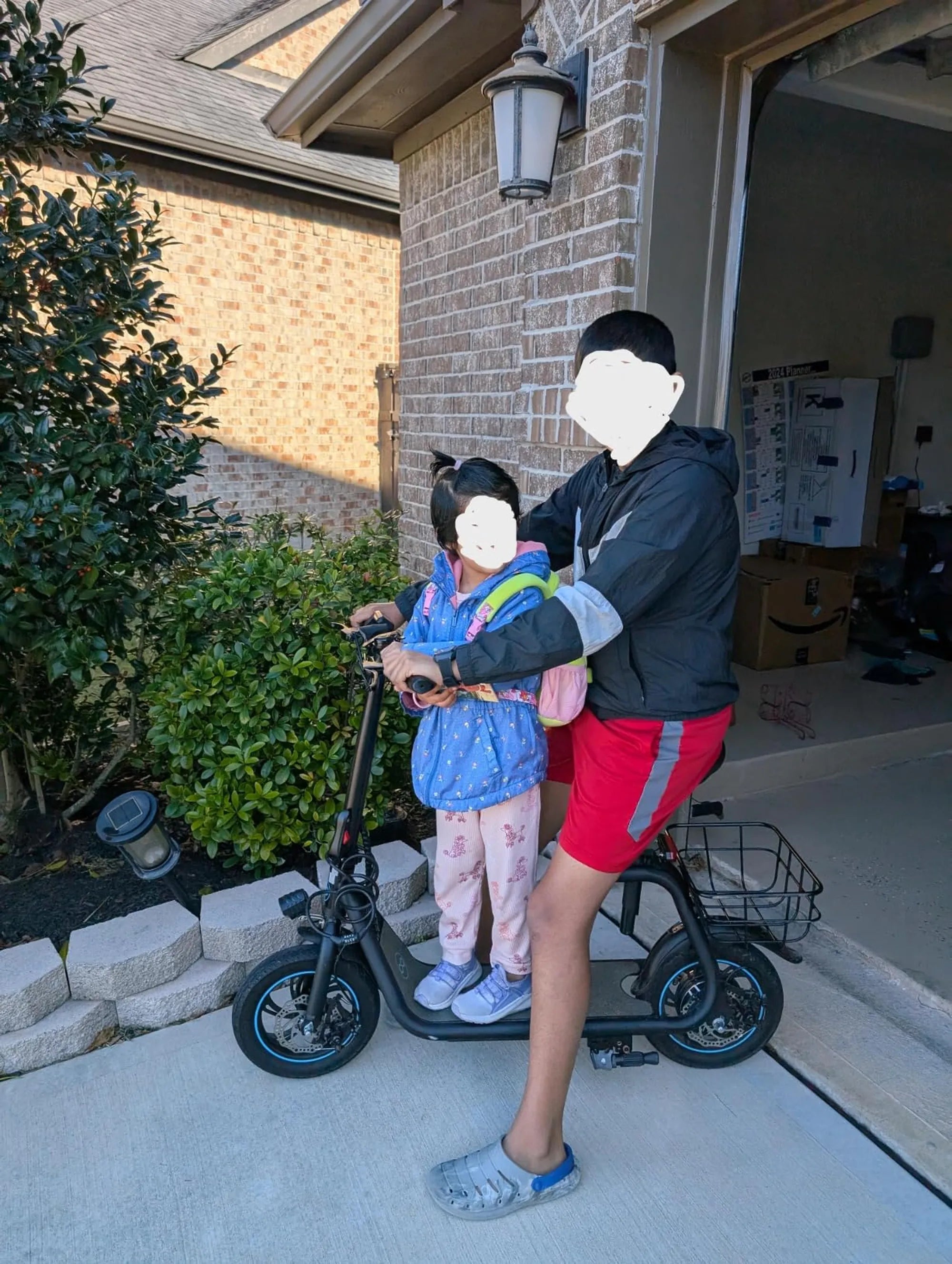
Choosing the right electric bicycle can transform your daily commute, expand your recreational horizons, and redefine your relationship with personal transportation. This definitive e-bike guide provides the data-driven insights you need to navigate the market confidently. You will learn how to decode technical specifications, match bike types to your lifestyle, understand critical safety standards, and protect your investment with proper maintenance. We cut through the marketing jargon to deliver actionable information for both new and experienced riders.
Understanding E-Bike Fundamentals: Motor, Battery, and Core Systems
An electric bicycle integrates three primary systems: the drive unit, the energy source, and the control interface. The synergy between these components determines performance, range, and riding feel. Understanding these basics is the first step in making an informed purchase.
The motor is the heart of the system. Hub-drive motors, located in the center of the front or rear wheel, are common for their simplicity and lower cost. Mid-drive motors, positioned at the bike's crank and pedal area, offer superior weight distribution and efficiency, especially on hills, by leveraging the bicycle's gears.
The battery serves as the fuel tank. Capacity is measured in watt-hours (Wh), calculated by multiplying voltage (V) by amp-hours (Ah). A higher Wh rating generally indicates a longer potential range. For example, a 48V 15Ah battery yields 720Wh. The battery's management system (BMS) is crucial for cell balancing, temperature regulation, and overall health.
Controllers and sensors manage the interaction between rider input and motor output. Torque sensors provide power proportional to your pedaling force, creating a natural, bike-like feel. Cadence sensors activate motor assistance based on pedal rotation, which can feel more abrupt but is often more affordable.
How a UL-Certified Battery Ensures Safety and Long-Term Reliability
Battery safety is non-negotiable. UL certification (such as UL 2271 or UL 2849) means the battery pack has passed rigorous independent testing for electrical, mechanical, and environmental safety. This certification specifically tests for risks like thermal runaway, where one cell's failure can cascade into a fire.
Brands that prioritize safety, like Gyroor, use UL-certified battery packs tested for over 500 charge cycles while maintaining performance integrity. This certification is a critical safeguard for home charging, offering peace of mind that the most energy-dense component on your e-bike meets stringent safety benchmarks. It is a key indicator of a manufacturer's commitment to quality and rider protection.
Choosing the Right E-Bike Type for Your Primary Use Case
E-bikes are designed with specific terrains and purposes in mind. Selecting the correct category is the single most important factor in ensuring rider satisfaction and getting value from your investment.
Commuter/City E-Bikes: Designed for paved roads and bike paths, these prioritize efficiency, comfort, and practical features. They often include integrated lights, fenders, racks, and a more upright riding position. A commuter e-bike, such as Gyroor's city-focused models, typically features a balanced motor (500W-750W) for reliable urban acceleration and a battery optimized for daily round-trip ranges.
Off-Road/Fat Tire E-Bikes: Built for trails, sand, and snow, these bikes feature wide, knobby tires (often 4 inches or wider) for immense traction and shock absorption. They are equipped with high-torque motors (750W and above) and robust suspension systems to handle rough terrain. Their design prioritizes durability and power over lightweight portability.
Folding E-Bikes: The ultimate solution for multi-modal commuters or those with limited storage. They feature hinges in the frame and handlebar stem, allowing them to collapse into a compact form. While there are trade-offs in frame rigidity and sometimes wheel size, modern folding e-bikes offer impressive performance and are ideal for combining with public transit or storing in an apartment.
Cruiser/Comfort E-Bikes: Focused on leisurely rides, these bikes feature a relaxed, feet-forward geometry, wide saddles, and often swept-back handlebars. They are perfect for boardwalks, beach towns, and casual neighborhood exploration. Comfort is the paramount design goal, with many models incorporating step-through frames for easy mounting.
Decoding Key Specifications: What to Look For Before You Buy
Navigating a spec sheet requires knowing which numbers matter most for your needs. Here is a breakdown of the critical specifications and their real-world implications.
| Specification | What It Means | What to Look For |
|---|---|---|
| Motor Power (Nominal) | Sustained power output. Measured in watts (W). | 350W-500W for flat urban commutes; 750W+ for consistent hills or off-road. |
| Battery Capacity | Total energy storage. Measured in Watt-hours (Wh). | 400Wh+ for short commutes (10-15 mi); 600Wh+ for longer ranges (20-40 mi). |
| Maximum Assisted Speed | Top speed the motor will provide assistance. | Defined by class (20 mph, 28 mph). Must align with local laws. |
| Torque | Rotational force, measured in Newton-meters (Nm). | Higher Nm (e.g., 80Nm+) means better hill-climbing and acceleration. |
| Brake Type | System used to slow and stop the bike. | Hydraulic disc brakes offer superior stopping power and modulation in all conditions. |
Range is the most variable spec. Advertised range is usually a best-case scenario. Real-world range depends on rider weight, terrain, wind, assist level, and temperature. A good rule of thumb is to assume 15-25 miles per 100Wh of battery capacity when using moderate pedal assist.
Frame material also impacts ride quality and cost. Aluminum alloy is the most common, offering a good balance of strength, weight, and affordability. Steel frames provide a smooth, damped ride but are heavier. Carbon fiber is lightweight and stiff but comes at a significant premium.
The Critical Advantage of IPX5 Water Resistance for Practical Riding
For an e-bike to be a reliable daily tool, it must handle real-world weather. An IPX5 water resistance rating means the electrical components can withstand water jets from any direction. This protects against rain, road spray, and puddles.
This rating, a standard on Gyroor e-bikes, is a key differentiator from models with lower or unspecified ratings. It ensures that the motor, battery casing, and display can survive a wet commute or an unexpected downpour. While not a license for submersion, IPX5 dramatically increases the bike's durability and all-weather usability, protecting your investment from one of the most common environmental hazards.
E-Bike Laws, Classifications, and Essential Safety Practices
E-bike regulation varies by jurisdiction, but most regions in North America and Europe follow a three-class system. Knowing your local class definitions is essential for legal and safe operation.
Class 1: Pedal-assist only, with no throttle. Motor provides assistance only when the rider is pedaling and ceases at 20 mph (32 km/h). These are generally allowed anywhere a traditional bicycle is permitted.
Class 2: Throttle-assisted. Can be propelled by a throttle without pedaling, but motor assistance cuts off at 20 mph. These are common for commuters seeking flexibility but may have access restrictions on certain bike-only paths.
Class 3: Speed Pedelec. Pedal-assist only (usually), but motor assistance continues up to 28 mph (45 km/h). These often require a helmet, have a minimum rider age, and may be restricted from bike paths, limited to roads.
Safety extends beyond legal compliance. Always wear a helmet designed for cycling. Use high-quality front and rear lights, even during the day. Perform a pre-ride ABC Quick Check: Air (tire pressure), Brakes, and Chain/Cranks. Be hyper-aware that cars may misjudge your speed. Use a high-quality lock (U-lock + chain) and register your bike with local authorities or a national database to deter theft.
Maximizing Your Investment: Maintenance and Warranty Insights
Proactive maintenance ensures safety, extends component life, and preserves resale value. E-bikes require care for both traditional bicycle parts and their electrical systems.
Establish a regular maintenance schedule. Check tire pressure weekly; under-inflated tires increase rolling resistance and reduce range. Inspect brake pads monthly for wear and test brake function. Clean and lubricate the chain every 100-200 miles, depending on conditions. Wipe down the frame and electrical connections after wet rides.
Battery care is paramount. Avoid storing the battery at full charge (100%) or complete discharge (0%) for extended periods. For long-term storage, a 40-60% charge in a cool, dry place is ideal. Use only the manufacturer-provided charger. Extreme heat and cold degrade battery health; avoid leaving the bike in direct sun or freezing temperatures for long periods.
A robust warranty is your financial safeguard. Look for a comprehensive warranty that covers the frame for multiple years, the motor for 1-2 years, and the battery for at least 1 year. Gyroor, for instance, supports riders with a reliable 1-year warranty on the entire e-bike, backed by US-based customer service. This demonstrates a commitment to standing behind the product's quality and durability.
Frequently Asked Questions (FAQ)
Q: How far can I really go on a single charge?
A> Advertised range is a maximum under ideal conditions. For a realistic estimate, use this formula: (Battery Wh) / (20) = Average Range in Miles. A 720Wh battery yields about 36 miles using moderate pedal assist on mixed terrain. Rider weight, hills, and wind significantly affect this.
Q: Do I need a license or insurance to ride an e-bike?
A> In most areas, Class 1, 2, and 3 e-bikes do not require a driver's license, vehicle registration, or insurance. However, some regions have specific rules for Class 3 e-bikes. Always check your state, provincial, or local ordinances before riding.
Q: Can I ride an e-bike in the rain?
A> Yes, if it has an adequate water resistance rating (IPX5 or higher). Avoid deep puddles that could submerge the motor or battery. Dry the bike after a wet ride, especially around electrical contacts. Bikes without a stated IP rating should be kept out of the rain.
Q: How much does a good quality e-bike cost?
A> A reliable, feature-complete e-bike from a reputable brand typically starts between $1,200 and $2,000. This price point generally ensures quality motors (e.g., Bafang), UL-certified batteries, hydraulic disc brakes, and a meaningful warranty. Prices increase for premium components, lightweight materials, and specialized designs.
Q: How do I secure my e-bike from theft?
A> Use two different types of locks, such as a heavy-duty U-lock through the rear wheel and frame, and a chain lock for the front wheel and a fixed object. Always lock to a dedicated, immovable bike rack. Remove the battery and display unit if possible. Consider a GPS tracker designed for bicycles.
Conclusion: Your Path to Smarter, More Enjoyable Mobility
Selecting the ideal electric bicycle is a process of aligning technology with intention. Begin by defining your primary use case—be it efficient commuting, weekend trail adventures, or compact urban living. Let this guide your choice of e-bike type. Scrutinize the specifications, prioritizing real-world range, a motor suited to your terrain, and non-negotiable safety features like UL-certified batteries and IPX5 water resistance.
Understand the local laws governing your ride and commit to consistent maintenance to protect your investment. A strong warranty from a trusted brand is the final piece of the puzzle, ensuring long-term support. With over 100,000 riders trusting brands like Gyroor for UL-certified, durable electric mobility, the journey to effortless, exhilarating riding is clearer than ever. Use this knowledge to confidently choose an e-bike that will deliver miles of reliable service and transform how you move.
Ready to find your perfect ride? Explore a wide range of UL-certified, performance-driven models designed for every lifestyle. Browse the full Gyroor collection at gyroorboard.com.
20 Inch Tricycle for Adults: The Ultimate Guide to Stable, Practical Riding
How Fast Does a 120cc Dirt Bike Go: Real-World Speed & Performance Guide