


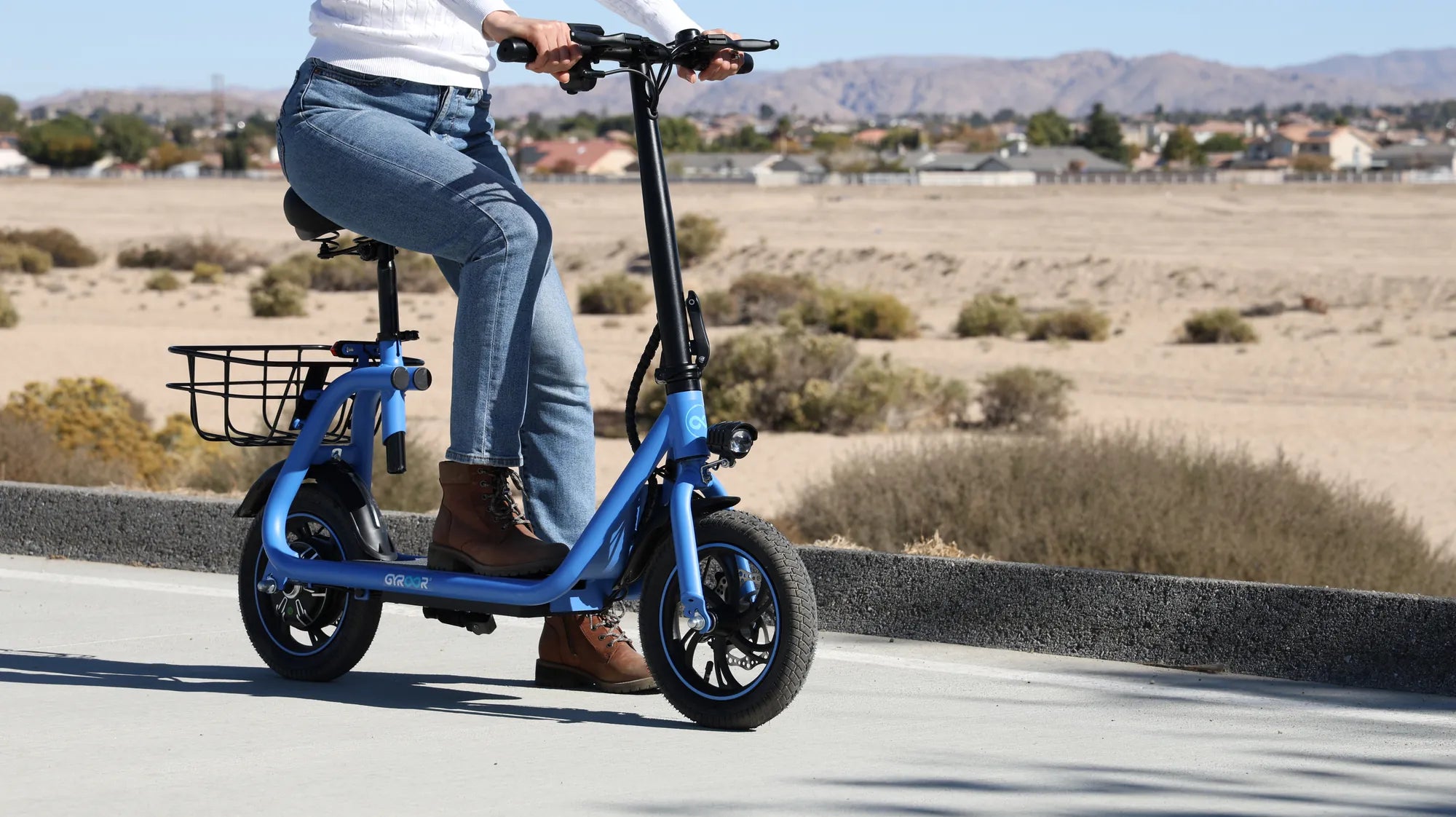
Introduction to E-Bike Rankings: Why They Matter
Navigating the electric bicycle market can be overwhelming. E-bike rankings serve as an essential tool, cutting through marketing claims to provide objective, data-driven comparisons. These rankings evaluate performance, value, safety, and reliability based on standardized metrics.
For consumers, understanding these rankings means making an informed investment. A high rank typically signifies a balanced combination of power, range, durability, and post-purchase support. It separates proven performers from models that may disappoint in real-world use.
The best ebike rankings don't just list models. They explain why a bike excels in specific categories like commuting or off-roading. This guide will unpack the criteria behind credible rankings and show you how to apply them to your search.
You will learn to interpret specifications, identify true value, and prioritize features that align with your riding needs. This knowledge is crucial for finding a reliable partner for your daily commute or weekend adventures.
Key Criteria for a Top-Tier E-Bike
Credible e-bike rankings are built on a foundation of measurable, critical factors. These criteria move beyond superficial features to assess long-term satisfaction and safety. A top-ranked bike must excel in several core areas.
Performance, range, construction, and support form the pillars of evaluation. Ignoring any one can lead to a poor ownership experience. Let's examine each component that shapes authoritative ebike rankings and purchasing decisions.
Motor Power and Performance
The motor is the heart of an electric bicycle. Rankings scrutinize both motor type and output. Hub motors, located in the wheel, offer simplicity and are common in commuter bikes. Mid-drive motors, positioned at the bike's crank, provide better weight distribution and superior hill-climbing efficiency.
Power is measured in watts, but continuous wattage is more telling than peak power. A 500W continuous motor delivers consistent performance, whereas a motor rated for 500W peak may only sustain 350W. Torque, measured in Newton-meters (Nm), determines acceleration and hill-climbing ability.
For urban flats, a 250-500W hub motor suffices. For hilly terrain or cargo hauling, a mid-drive motor with 60+ Nm of torque is often top-ranked. The motor's integration with the pedal-assist system (PAS) and responsiveness is also critically evaluated for a natural riding feel.
Battery Range and Technology
Advertised range is a common point of confusion. Rankings differentiate between ideal laboratory conditions and real-world mileage. The key metric is battery capacity, measured in watt-hours (Wh). A higher Wh rating generally indicates a longer potential range.
A 500Wh battery, for example, could theoretically deliver 500 watts for one hour. Real-world factors like rider weight, terrain, wind, and assist level drastically affect this. Top ebike rankings prioritize models that meet or exceed their stated range under typical use.
Battery technology and safety are non-negotiable. High-ranking e-bikes use cells from reputable manufacturers (like Samsung or LG) and feature certified battery management systems (BMS). UL certification for the battery pack is a major ranking booster, as it validates rigorous safety testing.
Build Quality and Durability
Frame material dictates weight and resilience. Aluminum alloy frames offer a light, rust-proof balance, while steel provides superior strength at a weight penalty. Rankings assess weld quality, finish, and overall craftsmanship that contribute to longevity.
Component quality is equally vital. Hydraulic disc brakes outperform mechanical ones in all weather conditions. Tire quality, suspension fork performance, and the durability of the drivetrain are all factored in. A high ingress protection (IP) rating, such as IPX5, signals a bike built to withstand rain and dust.
This focus on durability directly impacts a model's position in long-term reliability ebike rankings. A bike that remains trouble-free for years consistently outranks flashier models with poor construction.
Value and Warranty
Value isn't just low price. It's the performance and features delivered per dollar. Rankings analyze the price-to-specification ratio, identifying models that offer premium components without a premium price tag. A true value leader minimizes compromises on core criteria.
The warranty is a safety net and a sign of manufacturer confidence. A comprehensive, long-term warranty covering the frame, motor, and battery for at least one year is standard for top contenders. Accessibility of customer support and speed of parts fulfillment are increasingly important ranking factors.
A brand that stands behind its product with robust U.S.-based support will consistently rank higher than a discount brand with opaque service channels. This protects your investment long after the purchase.
2024 E-Bike Categories and Top Contenders
The e-bike market has segmented to meet diverse needs. Understanding these categories is key to using rankings effectively. The best commuter e-bike differs fundamentally from the best off-road machine. We'll explore the defining features of each segment.
Rankings within each category compare models against a specific use-case ideal. This allows you to narrow your search to bikes designed for your primary riding environment. Let's examine where top models excel.
Best Commuter E-Bike
The ideal commuter prioritizes efficiency, comfort, and practicality. Top-ranked models typically feature lightweight aluminum frames, step-through designs for easy mounting, and a balanced motor (350W-750W) for urban hills. Integrated lighting, front and rear, is essential for safety.
Real-world range of 20-40 miles per charge is the sweet spot, accommodating most round-trip commutes. Practical accessories like fenders, a rear rack, and a chain guard are often standard on highly-ranked commuters. These features enhance utility in daily use.
Ride comfort is achieved through wider, puncture-resistant tires and often a front suspension fork. Discreet battery integration maintains a bicycle-like aesthetic. In this category, ebike rankings reward thoughtful design that makes daily riding effortless and reliable.
Best Value / Budget E-Bike
The value category is fiercely competitive. Top rankings here go to models that deliver core e-bike functionality—reliable motor, adequate range, safe brakes—without frills. The target is often a sub-$1,500 price point without sacrificing critical safety features.
These bikes may use proven hub motor systems and simpler LCD displays. The frame is durable, and the components are functional. The key differentiator in value ebike rankings is the inclusion of a reputable, certified battery pack and a solid warranty, avoiding the safety risks of ultra-cheap alternatives.
It's about smart engineering, not cheap parts. The best value e-bikes make calculated trade-offs on accessories or top speed to ensure quality where it matters most: the powertrain and braking system.
Best Off-Road / Fat Tire E-Bike
For trail riding, sand, or snow, fat tire e-bikes demand robust construction. High rankings require a high-torque motor (750W+ with 80+ Nm torque), full suspension or a very capable front fork, and wide (4-inch+) knobby tires for traction and shock absorption.
The frame must withstand jumps and rough terrain, with reinforced welds and a sturdy geometry. Battery capacity is paramount, with 600Wh+ being common to power the hungry motor over long, challenging rides. Water and dust resistance (IP65 or higher) is critical.
Rankings in this segment prioritize raw capability and durability. Features like adjustable suspension, powerful hydraulic brakes, and multiple levels of pedal assist allow riders to tackle diverse landscapes confidently.
How Gyroor E-Bikes Stack Up in Key Rankings
Applying the established criteria provides a clear view of how specific brands perform. Gyroor, a leading electric mobility brand, earns its position in various ebike rankings through a focused engineering philosophy. Their models are designed to score highly on safety, reliability, and value.
With over 100,000 riders globally and a 4.5/5 average rating, user feedback consistently reinforces their ranking performance. Let's analyze how Gyroor's design choices align with the key criteria that matter most to experts and consumers.
Safety and Reliability as a Ranking Cornerstone
Gyroor builds its ranking foundation on safety. Every model in their lineup uses UL-certified battery packs, a critical factor often missing in budget segments. These batteries are tested for over 500 charge cycles, ensuring long-term capacity retention and reducing fire risk.
The IPX5 water-resistant rating across their e-bike and e-scooter range means the electrical systems are protected against water jets from any direction. This directly addresses a major point of failure in lower-ranked models and is a key contributor to durability ebike rankings.
This commitment translates to high marks for reliability. By prioritizing certified components and robust sealing, Gyroor e-bikes are ranked as dependable choices for daily riders who need all-weather capability and peace of mind.
The Warranty and Support Advantage
A strong ranking isn't just about the product out of the box; it's about the support behind it. Gyroor's standard 1-year comprehensive warranty on the frame, battery, motor, and controller provides clear post-purchase security. This coverage is straightforward and accessible.
This warranty policy is a significant ranking booster, especially when compared to brands offering shorter or component-specific warranties. It demonstrates confidence in the product's longevity. Coupled with responsive customer support, it mitigates the perceived risk of buying an electric vehicle online.
For ranking algorithms and review aggregators, a reliable warranty and support system lower the total cost of ownership and improve customer satisfaction scores. This consistently elevates Gyroor's standing in value-focused ebike rankings.
Comparison Table: Commuter vs. Off-Road E-Bike Features
This table contrasts the ideal specifications for two primary e-bike categories, highlighting how ranking priorities shift based on intended use.
| Feature | Top-Ranked Commuter E-Bike | Top-Ranked Off-Road E-Bike |
|---|---|---|
| Primary Motor Type | Hub Motor (Geared) | Mid-Drive or High-Torque Hub |
| Motor Power | 350W - 750W | 750W - 1000W+ |
| Key Metric | Efficiency, Quiet Operation | Torque (80+ Nm) |
| Battery Focus | Range per Charge (20-40 mi real-world) | High Capacity & Durability (600Wh+) |
| Frame & Build | Lightweight Aluminum, Step-Through option | Reinforced Aluminum/Steel, Aggressive Geometry |
| Tires | 28"-29", Puncture-Resistant, Semi-Slick | 26"-27.5", 4"+ Fat, Knobby Tread |
| Suspension | Front Fork or Rigid | Full Suspension or High-Travel Front Fork |
| Essential Features | Fenders, Rack, Integrated Lights, Bell | Hydraulic Disc Brakes, High IP Rating, Dropper Post |
| Ideal Terrain | Paved Roads, Bike Paths, Urban Hills | Dirt Trails, Sand, Snow, Rocky Paths |
Navigating E-Bike Reviews and Making Your Choice
With an understanding of ranking criteria, the next step is synthesizing information from multiple sources. Professional reviews, user testimonials, and spec sheets should all inform your decision. Look for consensus on a model's strengths and weaknesses.
The goal is to correlate the ranked features with your personal needs. A bike that ranks #1 for mountain biking is a poor choice for a 10-mile paved commute. Use rankings as a qualified shortlist, not a definitive answer.
Interpreting Specs vs. Real-World Experience
Manufacturer specifications provide a baseline, but user reviews reveal the lived experience. Pay close attention to consistent comments about actual battery range, comfort over long distances, and the responsiveness of customer service for repairs or questions.
If multiple reviews mention the same issue—like a weak kickstand or a confusing display—treat it as a likely characteristic. Conversely, praise for hill-climbing power or assembly ease is valuable data. This real-world feedback validates or challenges the official ebike rankings.
Matching the E-Bike to Your Lifestyle
Create a simple checklist before you buy. Define your primary use case (commute, fitness, recreation, cargo). Map your typical route for distance and elevation gain. Determine your storage and charging logistics. Finally, set a firm budget that includes essential accessories like a helmet and lock.
Use this checklist to filter ranked lists. A high-ranking bike that doesn't fit your storage space or exceeds your budget is not the right choice. The best e-bike for you is the one that ranks highly on the criteria that matter to your specific situation.
Frequently Asked Questions (FAQ)
Q1: How often do major e-bike rankings get updated?
A: Reputable ranking publications typically update their lists quarterly or semi-annually to account for new model releases, long-term testing results, and shifting market prices. It's wise to consult recent rankings from the current year.
Q2: Are more expensive e-bikes always higher ranked?
A: Not necessarily. While price often correlates with component quality, the law of diminishing returns applies. Rankings in the "Best Value" category specifically highlight models that deliver 90% of the performance at 60% of the cost. The highest-priced bikes may rank #1 in performance but lower in value.
Q3: Why is UL certification for the battery so important in rankings?
A> UL certification involves independent, rigorous testing for electrical, mechanical, and fire safety. It's the leading safety standard in North America. Rankings prioritize it because it significantly reduces the risk of battery fires, a top consumer concern. It's a non-negotiable feature for safety-conscious brands.
Q4: Can I trust user review scores as much as professional rankings?
A: They serve different purposes. Professional rankings provide standardized, comparative testing across many models. User reviews offer long-term ownership insights and highlight common issues. The most accurate picture comes from cross-referencing high professional ebike rankings with a large volume of positive user reviews.
Q5: What single factor most improves an e-bike's ranking over time?
A> Long-term reliability and low maintenance costs. A bike that remains trouble-free, with minimal battery degradation and no major component failures after a year of use, will see its ranking solidify or improve. This is why build quality and warranty are such heavily weighted criteria.
Finding Your Perfect Ride
Effective use of e-bike rankings transforms a confusing market into a navigable landscape. By focusing on the core criteria of motor performance, battery safety, build quality, and warranty support, you can identify models built to last. Remember that the top-ranked bike on a list is not automatically the best bike for you.
Your perfect ride is the one that aligns ranked performance with your personal needs, terrain, and budget. Prioritize safety certifications and a strong warranty as the foundation of your decision. These elements protect your investment and ensure years of enjoyable riding.
Ready to explore a brand that designs its e-bikes to rank highly in safety and reliability? Discover the full range of UL-certified, IPX5 water-resistant models engineered for real-world performance.
Browse the full Gyroor collection at gyroorboard.com to find your ideal electric bike.
Kids Dirt Bike 4 Year Old: The Ultimate 2024 Parent's Guide
E Bike Age: The Complete Guide to Laws, Safety, and Choosing Right