



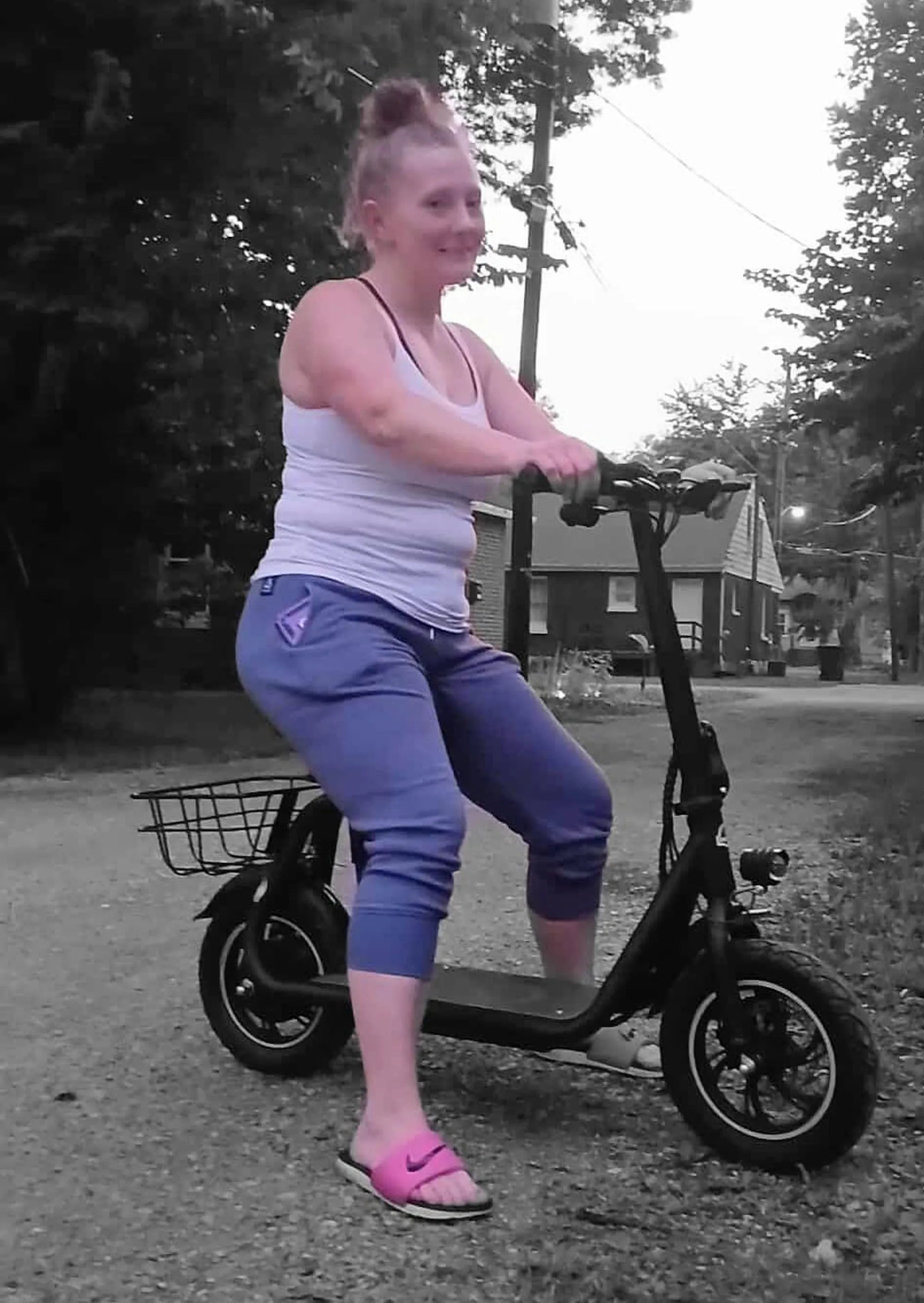
When it comes to urban commuting, electric bikes (e-bikes) and electric scooters (e-scooters) have surged in popularity as eco-friendly alternatives to cars. But which one is safer? The debate over e bike vs e scooter safety hinges on several factors, including speed, stability, rider protection, and adherence to traffic rules. Let’s dive into the details to help you decide which option best suits your safety needs.
Speed and Control
E-bikes typically offer higher speeds than e-scooters, with some models reaching up to 28 mph (45 km/h) in pedal-assist mode. While this can make commuting faster, it also increases the risk of accidents if the rider lacks experience. E-scooters, on the other hand, usually cap at around 15–20 mph (24–32 km/h), making them slower but potentially more manageable for beginners.
Stability and Balance
E-bikes, with their larger frames and wider tires, provide better stability, especially on uneven terrain. Their design mimics traditional bicycles, which many riders are already familiar with. E-scooters, with their smaller wheels and narrower base, can be less stable, particularly on rough roads or potholes. This makes them more prone to sudden jolts or loss of control.
Rider Protection
Both e-bikes and e-scooters require helmets for safety, but e-bike riders often have additional protective gear like gloves and knee pads due to higher speeds. E-scooter riders, while also encouraged to wear helmets, may underestimate the risks because of their slower speeds. However, falls from e-scooters can still result in serious injuries due to their less stable design.
Road Behavior and Visibility
E-bikes are generally more visible to motorists because of their larger size and the ability to use bike lanes. E-scooters, being smaller, can easily blend into traffic, increasing the risk of collisions. Additionally, e-bike riders often follow bicycle traffic rules, while e-scooter riders may weave unpredictably, posing a hazard to themselves and others.
Legal Regulations
Many cities have stricter regulations for e-bikes, such as requiring licenses or age restrictions, which can indirectly improve safety by ensuring riders are more accountable. E-scooters, often available for rent with minimal oversight, may attract less experienced riders who ignore safety guidelines.
Environmental Factors
Weather conditions like rain or wind can affect both e-bikes and e-scooters, but e-scooters are particularly vulnerable due to their lightweight design. Wet surfaces can reduce traction, making e-scooters more hazardous in adverse weather.
Choosing between an e-bike and an e-scooter ultimately depends on your comfort level, riding experience, and local infrastructure. While e-bikes offer better stability and visibility, e-scooters are more portable and easier to handle at lower speeds. Regardless of your choice, always prioritize safety gear and responsible riding habits to minimize risks on the road.
Best Electric Mountain Bike Under $3000: Top Picks for Off-Road Adventures
Scooter 70mph: The Ultimate Guide to High-Speed Electric Scooters