

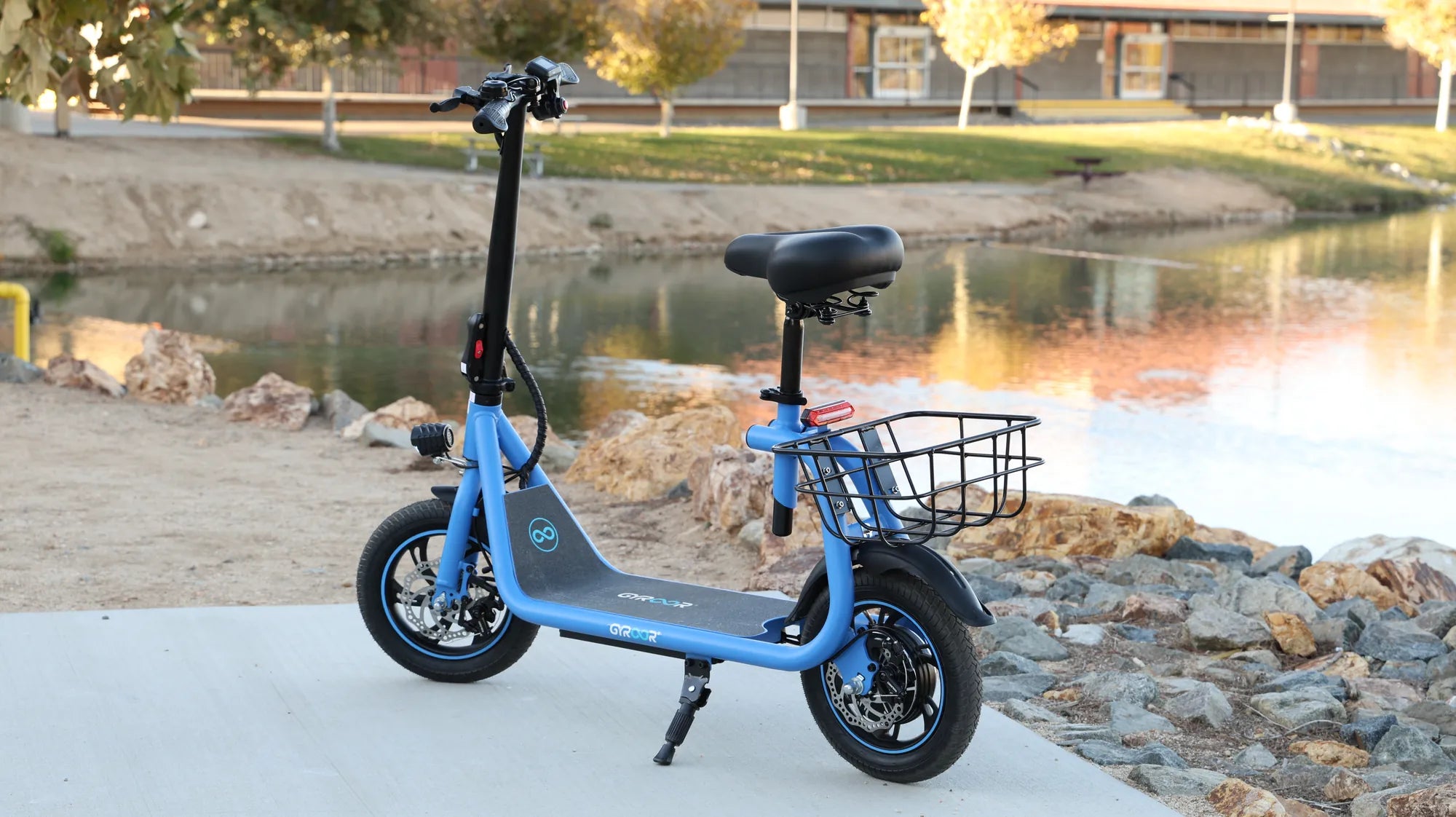
When it comes to urban transportation, the debate between e-bikes and rideshare services is heating up. Both options promise convenience, but which one is truly cost-effective in the long run? Let’s dive into the numbers and uncover the hidden expenses—or savings—of each choice.
Upfront Costs: E-Bike Investment vs. Rideshare Flexibility
Purchasing an e-bike requires a significant upfront investment. A quality e-bike can range from $1,000 to $3,000, depending on features like battery life, motor power, and design. While this may seem steep, it’s a one-time expense that can last for years with proper maintenance.
On the other hand, rideshare services like Uber and Lyft operate on a pay-as-you-go model. There’s no initial cost, but fares add up quickly, especially for daily commuters. A 5-mile trip could cost between $10 and $20, depending on demand and location. Over time, these small payments can surpass the cost of an e-bike.
Ongoing Expenses: Maintenance, Charging, and Surge Pricing
E-bikes have minimal ongoing costs. Charging the battery typically costs less than $1 per full charge, and annual maintenance (tires, brakes, etc.) might run $100-$200. Rideshare services, however, are subject to surge pricing during peak hours or bad weather, which can double or triple your usual fare.
Additionally, rideshare users often face hidden fees like booking charges, tolls, or tips. These extras can make a seemingly affordable ride much more expensive than anticipated.
Time Savings and Convenience
E-bikes offer unparalleled flexibility. No waiting for a driver or dealing with cancellations—just hop on and go. They’re also ideal for short trips where rideshare might be overkill, like running errands or commuting to work.
Rideshare services excel in convenience for longer trips or when you’re not up for pedaling. However, relying on them for daily commutes can lead to unpredictable costs and wait times, especially in busy cities.
Environmental and Health Benefits
E-bikes are a green alternative, producing zero emissions and reducing traffic congestion. They also provide light exercise, which can improve cardiovascular health. Rideshare vehicles, even electric ones, still contribute to road congestion and require energy-intensive manufacturing.
Long-Term Financial Breakdown
Let’s crunch the numbers. If you spend $15 daily on rideshare for a year, that’s $5,475—enough to buy two high-end e-bikes. Even with maintenance, the e-bike pays for itself in under a year for frequent riders. For occasional users, rideshare might still make sense, but heavy commuters will save thousands with an e-bike.
So, which is right for you? If you’re ready to ditch unpredictable fares and embrace a healthier, cheaper, and eco-friendly ride, an e-bike might be your best bet. But if flexibility and zero upfront costs are your priorities, rideshare could still have a place in your life. The choice is yours—just make sure it’s an informed one!
Commuter Ebike Reviews: The Ultimate Guide to Finding Your Perfect Ride
Best Bike Rack for E Bikes: Secure and Convenient Transport Solutions