



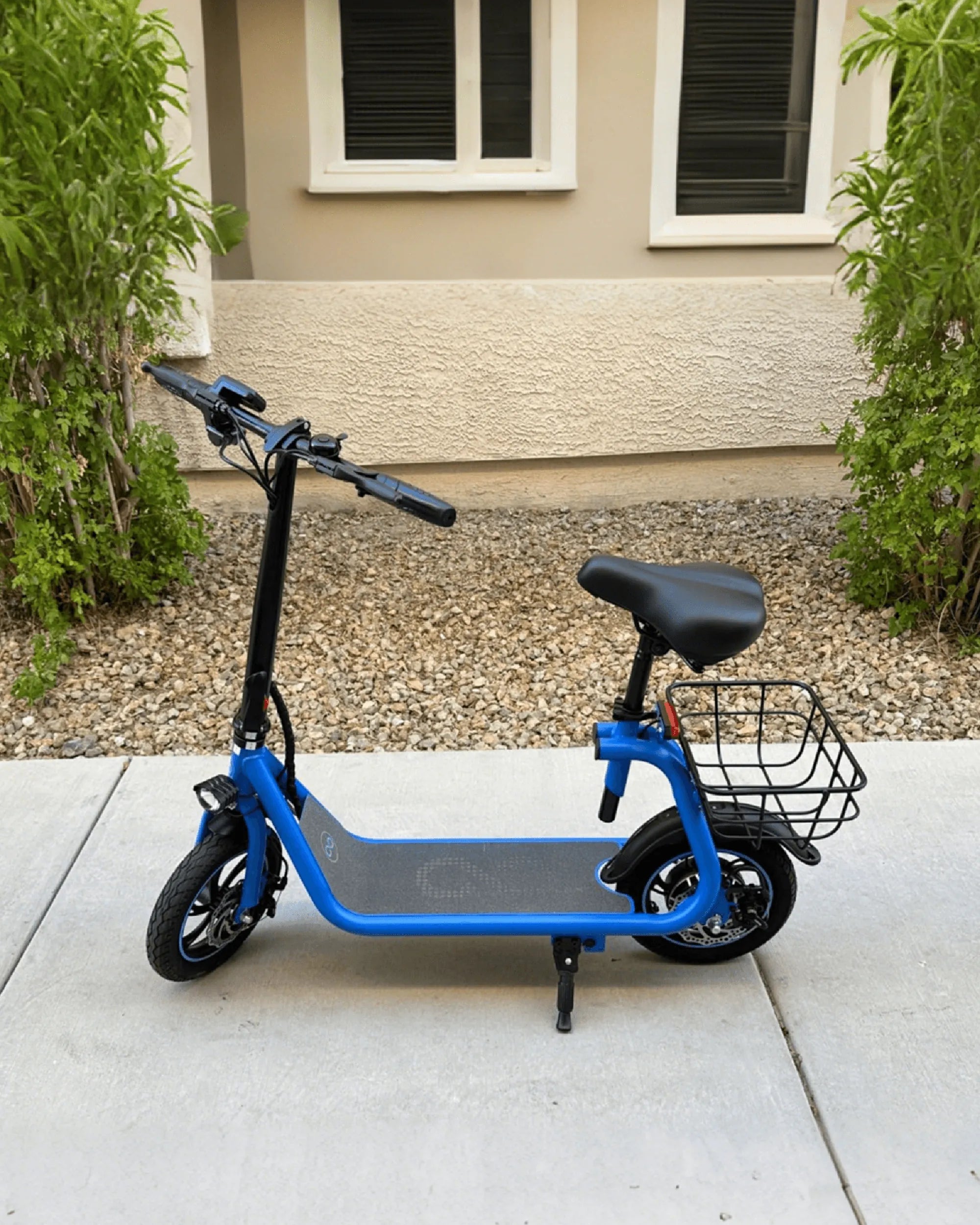
Choosing between an e-bike and a scooter can be a tough decision, especially with the growing popularity of both options for urban commuting. Whether you're looking for speed, convenience, or eco-friendly transportation, understanding the differences between these two modes of travel is essential. Let's dive into the details to help you make an informed choice.
Speed and Performance
When it comes to speed, e-bikes and scooters each have their advantages. E-bikes typically offer pedal-assist modes, allowing riders to reach speeds of up to 28 mph (45 km/h) depending on local regulations. Scooters, on the other hand, often have higher top speeds, with some models reaching 40 mph (64 km/h) or more. However, speed limits for scooters vary by region, so it's important to check local laws.
Range and Battery Life
Battery life is a crucial factor for both e-bikes and scooters. E-bikes generally have a longer range, with many models offering 30-60 miles (48-97 km) on a single charge. Scooters tend to have a shorter range, averaging 15-30 miles (24-48 km) per charge. If you plan on longer commutes, an e-bike might be the better option.
Cost and Maintenance
E-bikes are usually more expensive upfront, with prices ranging from $1,000 to $5,000 or more. Scooters are generally cheaper, with many models available for under $1,000. However, maintenance costs can vary. E-bikes have fewer moving parts than scooters, which may result in lower long-term repair costs. Scooters, especially those with combustion engines, may require more frequent servicing.
Portability and Storage
Scooters are often lighter and more compact than e-bikes, making them easier to store in small apartments or carry onto public transportation. E-bikes, while bulkier, often come with features like foldable frames to improve portability. If space is a concern, a scooter might be the more practical choice.
Environmental Impact
Both e-bikes and electric scooters are eco-friendly alternatives to cars, but e-bikes have a slight edge. They consume less energy per mile and often have longer lifespans. Scooters, especially gas-powered models, may produce more emissions. If sustainability is a priority, an e-bike is likely the greener option.
Safety and Regulations
Safety is another key consideration. E-bikes are generally considered safer due to their lower speeds and more stable design. Scooters, especially high-speed models, can be riskier, particularly in heavy traffic. Regulations also differ—some cities require licenses or helmets for scooters but not for e-bikes. Always check local laws before making a purchase.
Comfort and Riding Experience
E-bikes provide a more comfortable ride, especially for longer distances, thanks to their ergonomic design and pedal-assist features. Scooters can be less comfortable over rough terrain or extended periods. If you prioritize comfort, an e-bike is the way to go.
Final Thoughts
Deciding between an e-bike and a scooter depends on your specific needs and preferences. If you value speed and portability, a scooter might be ideal. For those who prioritize range, comfort, and sustainability, an e-bike could be the better choice. Whichever you choose, both options offer a fun and efficient way to navigate city streets.
Best Electric Scooter in Baramati: Top Picks for Eco-Friendly Commuting
Best Electric Scooter in Baramati: Top Picks for Eco-Friendly Commuting