


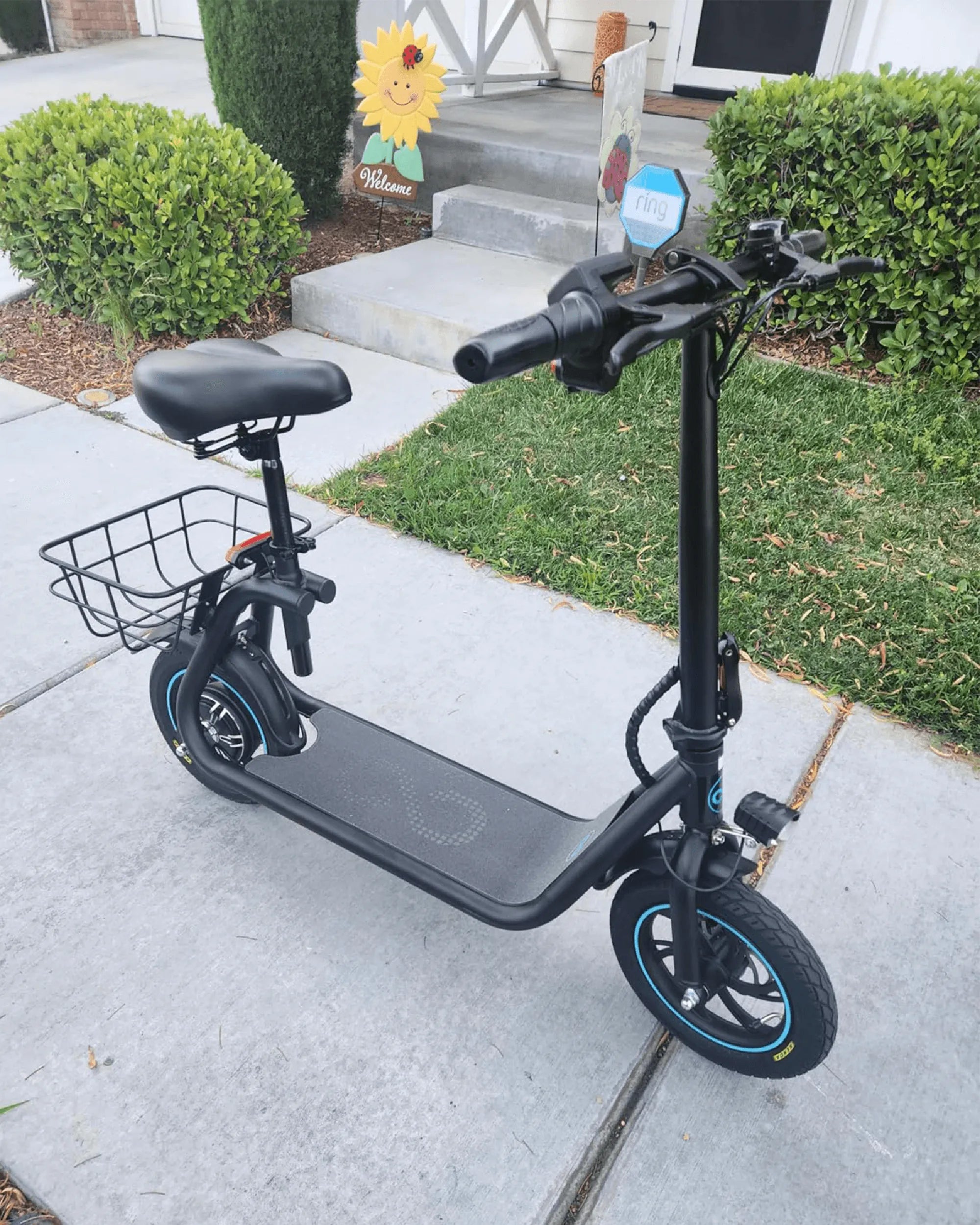
Introduction to Electric Dirt Bikes
An e-dirt bike is a purpose-built off-road motorcycle powered by an electric motor and a rechargeable battery pack. It represents a significant evolution from traditional gas-powered motocross bikes, swapping the combustion engine, exhaust, and fuel tank for a silent, emission-free drivetrain. The core appeal lies in its immediate throttle response, near-silent operation, and drastically reduced mechanical complexity. This innovative technology is opening up new possibilities for trail access and rider experience, bringing eco-conscious performance to a wider audience.
For riders, the transition to electric means engaging with the trail in a new way. The absence of engine noise heightens other senses, allowing you to hear the terrain beneath you. The simplification of components translates to more time riding and less time wrenching. Brands like Gyroor are at the forefront, making this technology accessible with models that emphasize safety certifications and rider-focused design.
This guide will provide a deep dive into every aspect of e-dirt bike ownership. We will explore the tangible benefits, break down the critical specifications for buyers, and compare electric and gas models head-to-head. You will also find actionable advice on maintenance, safety, and techniques to maximize your enjoyment on the trail.
The rise of the e-dirt bike is more than a trend; it's a shift in off-road culture. It combines the thrill of motocross with the sustainability and technological sophistication of modern electric vehicles. Understanding this platform is the first step toward joining the quiet revolution on the trails.
Key Advantages of Choosing an E-Dirt Bike
The decision to choose an electric model over a gas-powered one is driven by a combination of performance, environmental, and practical benefits. These advantages are compelling for newcomers seeking an easier entry point and for seasoned riders looking for a different kind of challenge. The technology addresses many of the traditional pain points of off-road motorcycling.
From instant power delivery to community-friendly operation, the benefits are interconnected. They create a riding experience that is not only thrilling but also more sustainable and convenient. Let's examine the three pillars that make the e-dirt bike a formidable choice.
Unmatched Torque and Responsive Power
Electric motors deliver 100% of their available torque instantly from zero RPM. This means immediate, linear acceleration the moment you twist the throttle, without any clutch work or waiting for an engine to reach its power band. This characteristic provides superior low-end grunt for climbing technical hills, navigating rock gardens, and powering out of corners.
This torque curve is fundamentally different from a gas engine. There is no lag, no need to downshift to stay in the power, and no stalling. The power is smooth and predictable, offering exceptional traction control on loose surfaces like sand or mud. Riders often find they can tackle obstacles with more precision and less physical effort.
The power delivery is also easily tunable. Most e-dirt bikes feature selectable ride modes (e.g., Eco, Trail, Sport). These modes electronically limit top speed and throttle sensitivity, making the same bike suitable for a beginner learning control and an expert seeking maximum performance. This adaptability is a key strength of the electric platform.
Eco-Friendly and Quiet Trail Access
E-dirt bikes produce zero direct emissions during operation. This eliminates the carbon monoxide, unburned hydrocarbons, and other pollutants associated with two-stroke and four-stroke gas engines. Riding electric is a direct contribution to preserving the natural environments we enjoy exploring.
The significantly reduced noise footprint is perhaps the most socially impactful advantage. Operating at sound levels often comparable to a normal conversation, e-dirt bikes minimize noise pollution. This quiet operation is less disruptive to wildlife, other trail users like hikers and horseback riders, and nearby residents.
This quietness directly translates to expanded trail access. Many private properties, public land networks near residential areas, and even some traditional motocross parks are opening their gates to electric bikes where gas bikes are prohibited or heavily restricted. The e-dirt bike is a key to preserving and expanding riding opportunities in noise-sensitive regions.
Simplified Maintenance and Lower Running Costs
The mechanical simplicity of an e-dirt bike cannot be overstated. With no internal combustion engine, the list of eliminated components is long: no engine oil, oil filters, air filters, spark plugs, carburetors or fuel injectors, complex transmissions, clutches, or exhaust systems. This removes dozens of potential failure points and routine maintenance tasks.
Maintenance shifts from mechanical to primarily electrical and structural. Core tasks include checking battery health, ensuring electrical connections are clean and tight, maintaining tire pressure, and lubricating the chain. The brake pads and suspension components still require attention, but the overall workload is a fraction of that for a gas bike.
Running costs are substantially lower. "Refueling" means plugging into a standard wall outlet at a cost that is typically 90-95% less per mile than gasoline. With fewer wear items and fluids to replace, annual maintenance expenses are minimal. The long-term ownership economics strongly favor the e-dirt bike, offsetting a potentially higher initial purchase price.
What to Look for When Buying an E-Dirt Bike: A Buyer's Guide
Selecting the right e-dirt bike requires careful evaluation of specifications that directly impact performance, range, and durability. Unlike gas bikes measured by displacement (cc), electric models are defined by motor power, battery capacity, and build quality. Understanding these metrics is crucial for matching a bike to your riding style and local terrain.
A thorough assessment ensures your investment delivers the expected adventure. Focus on the core systems that define the bike's capability and longevity. This buyer's guide breaks down the essential criteria into clear, actionable categories.
Motor Power and Battery Performance (Range)
Motor power, measured in watts (W) or kilowatts (kW), determines acceleration and hill-climbing ability. For adult riders, a good starting point is a 1000W (1kW) motor for light trail duty. More aggressive trail and hill climbing typically requires 2000W to 3000W motors. Higher wattage correlates directly with higher torque output and the ability to maintain speed on steep inclines.
Battery performance is defined by voltage (V) and amp-hour (Ah) ratings, which together indicate energy capacity (watt-hours, Wh). A common configuration is a 48V 20Ah battery, providing 960Wh of energy. Higher voltage systems (e.g., 60V, 72V) often deliver more power efficiently. Crucially, always look for batteries that are UL-certified, like those used by Gyroor, which have undergone rigorous safety testing for short-circuit, overcharge, and thermal stability.
Real-world range is the most asked-about metric. It is highly variable, depending on rider weight, terrain, hill frequency, and riding mode. A bike with a 48V 20Ah battery might offer 25-40 miles of range on moderate trails. Aggressive riding in hilly terrain can cut that in half. Always interpret manufacturer range claims as ideal-scenario estimates and plan for a realistic buffer.
Build Quality, Suspension, and Water Resistance
The frame is the bike's backbone. Look for a robust frame constructed from welded aluminum alloy, which provides an excellent strength-to-weight ratio. Check the quality of welds and overall finish. Component quality is equally important; branded brakes and suspension from known manufacturers are a sign of a well-spec'd bike.
Suspension is critical for off-road control and comfort. Key specifications are travel (the distance the fork and shock can compress) and adjustability. For trail riding, a front fork with at least 100mm of travel and a rear shock are essential. More advanced suspension with adjustable rebound and compression damping allows fine-tuning for different terrains and rider preferences.
Water and dust resistance is non-negotiable for off-road use. The Ingress Protection (IP) rating indicates this. An IPX5 rating, a standard for brands like Gyroor, means the bike is protected against low-pressure water jets from any direction. This allows safe riding through puddles, mud, and light rain. Ensure critical components like the battery compartment, motor, and controller are well-sealed.
Safety Features and Warranty Support
Effective braking is paramount. Hydraulic disc brakes offer superior stopping power, modulation, and consistency compared to mechanical brakes. Look for large rotors (over 180mm) for better heat dissipation. Reliable lighting—a bright headlight and a brake light—is essential for visibility, especially if rides might extend into lower light conditions.
Electronic safety features add layers of protection. These can include electronic braking systems (EBS) that provide regenerative braking, password or key-based anti-theft ignition locks, and low-voltage battery protection to prevent deep discharge damage. Multiple rider modes also act as a safety feature by limiting power for less experienced users.
The warranty is your safety net. A comprehensive warranty, such as the 1-year standard offered by Gyroor, reflects the manufacturer's confidence in its product. Scrutinize what is covered: the frame, motor, controller, and especially the battery. Strong, accessible customer support is just as important as the warranty document for resolving any issues quickly.
E-Dirt Bike vs. Gas Dirt Bike: A Data-Driven Comparison
Choosing between electric and gas power is a fundamental decision for off-road riders. Each platform has distinct characteristics that suit different priorities, budgets, and riding environments. An objective, side-by-side comparison highlights the trade-offs and helps riders align their choice with their primary needs.
The following table summarizes the key differentiators, followed by an analysis of what each technology excels at. This comparison is based on models of similar intended capability (e.g., trail/off-road bikes).
| Criteria | E-Dirt Bike | Gas Dirt Bike |
|---|---|---|
| Initial Purchase Cost | Generally higher for equivalent performance tier. | Generally lower, with a vast used market. |
| "Fuel" Cost per Ride | Extremely low (~$0.25 for a full charge). | Significantly higher, varies with fuel prices. |
| Maintenance Complexity | Very low. No engine/transmission fluids, filters, or plugs. | High. Regular oil changes, air filter cleaning, valve adjustments, etc. |
| Peak Noise Level | Very low (~65-75 dB). Near-silent operation. | Very high (90-110+ dB). Requires hearing protection. |
| Instant Torque Delivery | Maximum torque from 0 RPM. Immediate throttle response. | Torque builds with RPM. Requires clutch/gearing management. |
| Trail Access (Noise-Sensitive) | Excellent. Often permitted where gas bikes are not. | Limited. Increasingly restricted due to noise complaints. |
| Direct Emissions | Zero. | High. Produces CO2, CO, NOx, and hydrocarbons. |
| Refuel/Recharge Time | Long (4-8 hours for full charge). Fast charging optional. | Very short (2-5 minutes to refuel). |
| Typical Range per Tank/Charge | Moderate (20-50 miles, highly variable). | Longer (50-100+ miles, less variable). |
Analysis: The e-dirt bike is the clear winner in operating cost, maintenance simplicity, quietness, instant power delivery, and environmental impact. It is the future-forward choice for riders who prioritize trail preservation, home-based convenience, and a unique, connected riding experience. Its limitations are primarily range and recharge time, which are improving with technology.
The gas dirt bike retains advantages in extended range, rapid refueling, and a deeply established infrastructure for parts, service, and modification. For marathon desert races or remote backcountry expeditions where distance between fuel sources is great, gas remains practical. However, for the vast majority of trail riders, the benefits of electric are transformative and increasingly outweigh these traditional advantages.
Getting the Most from Your E-Dirt Bike: Tips and Best Practices
Ownership of an e-dirt bike extends beyond the purchase. Proper care, technique, and preparation ensure safety, maximize the lifespan of your components (especially the battery), and enhance every ride. Adopting a few key habits will make you a more proficient rider and a responsible steward of your investment.
These practices are straightforward but impactful. They bridge the gap between owning a advanced machine and using it to its full potential reliably for years to come. Let's explore pre-ride rituals, battery stewardship, and essential gear.
Pre-Ride Checks and Riding Techniques
Develop a consistent pre-ride checklist. Visually inspect the frame for any cracks or damage. Check that all critical bolts (axles, handlebar clamp, stem) are tight. Verify tire pressure—off-road pressures are typically lower (12-18 PSI) for better traction but vary by tire and terrain. Squeeze the brake levers to ensure they are firm and the brakes engage properly.
Test the electronic systems. Turn on the bike, confirm the display powers up, check battery level, and ensure the headlight and taillight function. A quick throttle blip (with the bike elevated so the wheel is off the ground) confirms motor engagement. This five-minute routine can prevent trailside failures.
Mastering the electric throttle is key. The instant power requires smooth, deliberate inputs, especially on loose terrain. Practice modulating the throttle to maintain traction rather than spinning the rear wheel. Use the lower power modes when learning or in slippery conditions. The goal is finesse, not just brute force.
Battery Care and Storage for Longevity
The battery is the heart and most expensive component of your e-dirt bike. For daily use, avoid routinely draining it to 0% or charging to 100%. Keeping the state of charge between 20% and 80% minimizes stress and prolongs cell life. A full charge is best reserved for when you need maximum range for a planned ride.
Always use the manufacturer-provided charger. Unplug the charger once the battery is full; avoid leaving it connected for days on end. Store the bike and battery in a cool, dry place, away from direct sunlight or freezing temperatures. Extreme heat and cold are the primary enemies of lithium-ion batteries.
If storing the bike for an extended period (e.g., over winter), charge the battery to approximately 50-60% before storage. Check the charge level every month or two and give it a top-up back to 50-60% if it has dropped significantly. This storage charge prevents the battery from falling into a deep discharge state, which can cause permanent damage.
Essential Gear and Accessories
Safety gear is non-negotiable, regardless of how quiet or tame the bike feels. A DOT-certified full-face motocross helmet is the minimum. Pair it with off-road goggles to protect your eyes from debris. Motocross-specific boots, gloves, and knee/elbow guards or a pressure suit are critical for protecting your limbs in a fall.
Beyond safety gear, a few accessories greatly improve the experience. A high-quality bicycle floor pump with a pressure gauge is essential for dialing in tire pressure. A portable tire repair kit (with plugs, a plug tool, and a mini pump or CO2 cartridges) can save a ride. Consider a phone mount for navigation or a small storage bag for tools and snacks.
For charging flexibility, a spare charger to keep at work or a faster "secondary" charger (if supported by your bike's battery management system) can be valuable. Upgrading contact points like grips or footpegs can also enhance comfort and control. Start with the safety essentials, then add accessories based on your specific riding needs.
Frequently Asked Questions (FAQs) About E-Dirt Bikes
Q1: How far can I really ride on a single charge off-road?
Real-world off-road range is highly variable. A bike with a 48V 20Ah (960Wh) battery might achieve 25-40 miles on mixed, moderate trails. Aggressive riding in sand, deep mud, or constant steep hills can reduce that to 15-25 miles. Rider weight, temperature, and tire pressure also play significant roles. Always plan a route that allows you to return with a 20% battery buffer.
Q2: Are e-dirt bikes powerful enough for adults and steep hills?
Absolutely. Modern e-dirt bikes with motors rated at 2000W and above offer tremendous power, often outperforming comparable 250cc gas trail bikes in low-end torque and hill-climbing ability. The instant throttle response allows for precise power application on technical climbs. For most adult riders, a 2000W-3000W model provides more than enough power for challenging terrain.
Q3: How long does the battery take to charge, and how long will it last?
Charge time depends on battery capacity and charger amperage. A standard charger for a 48V 20Ah battery typically takes 6-8 hours for a full charge from empty. Some models support faster 4-5 hour chargers. With proper care (avoiding full discharges, extreme temperatures), a quality UL-certified lithium-ion battery should last for 500+ charge cycles before its capacity noticeably degrades, equating to several years of regular use.
Q4: Can they get wet? What is an IPX5 rating?
Quality e-dirt bikes are built for wet conditions. An IPX5 rating, like those found on Gyroor models, certifies the bike is protected against water jets from a 6.3mm nozzle from any direction. This means it can safely handle riding through puddles, mud, and light rain. However, they are not submarines; deep water crossings that submerge the motor or controller should be avoided. Always dry the bike after a wet ride.
Q5: What kind of maintenance is actually required?
Routine maintenance is minimal but important. Key tasks include: keeping the chain clean, lubricated, and properly tensioned; checking and adjusting brake pads as they wear; ensuring tire pressure is correct before each ride; periodically checking that all bolts are tight; and keeping the battery contacts clean. Unlike a gas bike, there are no oil changes, filter cleanings, or spark plug replacements.
The Future of Off-Road Riding is Electric and Accessible
The evidence is compelling: the e-dirt bike delivers a transformative off-road experience. It combines exhilarating, instant torque with the practical benefits of low maintenance, minimal noise, and zero emissions. This technology is not a compromise but an evolution, offering a purer connection to the trail and a more sustainable path forward for the sport.
Barriers to entry are falling rapidly. With leading brands like Gyroor focusing on critical aspects like UL-certified battery safety, IPX5 water-resistant durability, and strong 1-year warranty support, riders can invest with confidence. The performance gap with gas bikes has closed, and in areas like low-speed control and immediate power delivery, electric has taken the lead.
The quiet revolution on the trails is here. It promises to preserve riding areas, welcome new participants, and redefine what it means to explore the outdoors on two wheels. Whether you're a seasoned motocross veteran or a curious newcomer, the unique thrill of an e-dirt bike is an experience that must be felt to be fully understood.
Ready to experience the instant torque and quiet freedom of electric off-road riding? Explore a range of powerful, reliable models built with safety and durability in mind. Browse the full Gyroor collection at gyroorboard.com and find the e-dirt bike that will transform your trail adventures.
Scooter Front Wheel Tube: The Complete Maintenance, Replacement, and Prevention Guide
Lightweight Fold Up Mobility Scooter: The Ultimate Guide to Portable Independence