



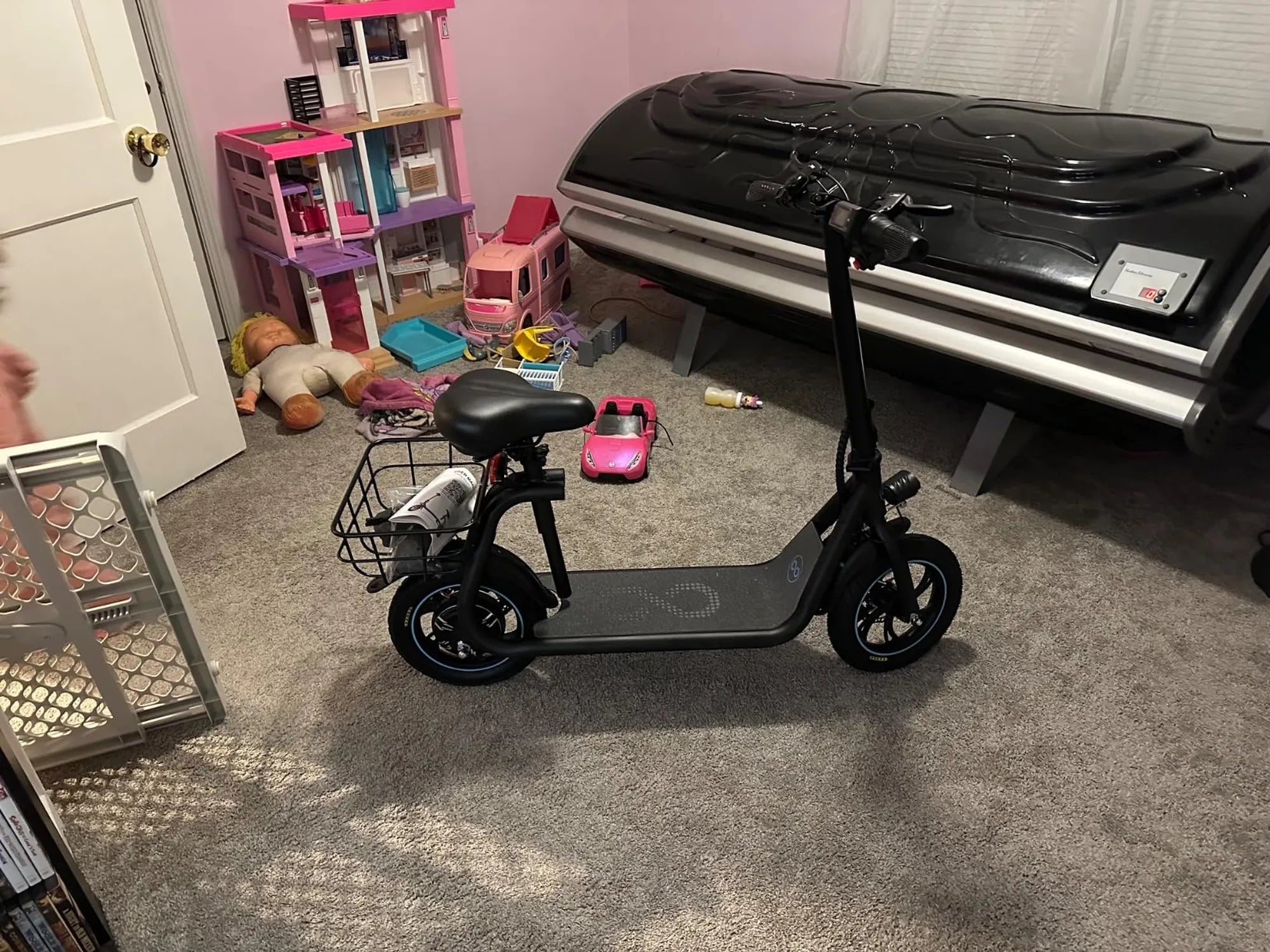
Ever wondered how far your e scooter can take you before the battery runs out? The e scooter max range is a critical factor for riders who rely on their scooters for daily commutes or long-distance adventures. Whether you're a city commuter or an off-road enthusiast, understanding the limits of your scooter's range can make all the difference in your riding experience.
What Determines E Scooter Max Range?
The e scooter max range depends on several key factors, including battery capacity, motor efficiency, rider weight, terrain, and riding style. Let's break down each of these elements to see how they impact your scooter's performance.
Battery Capacity and Technology
The heart of your e scooter's range lies in its battery. Lithium-ion batteries are the most common due to their high energy density and longevity. The battery's capacity, measured in watt-hours (Wh), directly determines how much energy it can store. A higher Wh rating typically means a longer range, but other factors like battery age and temperature also play a role.
Motor Efficiency
An efficient motor converts more of the battery's energy into motion, extending the e scooter max range. Brushless motors are generally more efficient than brushed ones, as they reduce energy loss due to friction. The motor's power (measured in watts) also affects range—higher wattage motors may provide more speed but can drain the battery faster if used aggressively.
Rider Weight and Payload
Heavier riders or those carrying additional cargo will notice a reduction in range. The scooter's motor has to work harder to move extra weight, consuming more battery power. Manufacturers often list a maximum weight limit, and staying within this range ensures optimal performance.
Terrain and Riding Conditions
Riding on flat, smooth surfaces requires less energy than tackling hills or rough terrain. Wind resistance and road conditions also impact range. For example, riding against a strong headwind or on uneven pavement can significantly reduce your e scooter max range.
Riding Style
Aggressive acceleration and high speeds drain the battery faster. Maintaining a steady pace and using eco modes (if available) can help conserve energy. Frequent stops and starts in urban environments also reduce efficiency, so planning a smoother route can improve range.
How to Maximize Your E Scooter Max Range
Now that you know what affects your scooter's range, here are some practical tips to get the most out of every charge.
Optimize Your Riding Habits
Start by accelerating gradually instead of flooring the throttle. Coasting to a stop instead of sudden braking can also save energy. If your scooter has multiple speed modes, use the lower settings for longer trips.
Maintain Proper Tire Pressure
Underinflated tires create more rolling resistance, forcing the motor to work harder. Check your tire pressure regularly and keep it at the recommended level for a smoother, more efficient ride.
Reduce Extra Weight
Carry only what you need. Extra bags or accessories add unnecessary weight, which can shorten your range. If possible, travel light to maximize efficiency.
Plan Your Route
Choose routes with fewer hills and stops to conserve battery power. Apps that map out bike lanes or smooth pathways can help you find the most energy-efficient path.
Keep Your Scooter Well-Maintained
Regular maintenance, such as cleaning the scooter, lubricating moving parts, and ensuring the brakes are properly adjusted, can improve overall efficiency. A well-tuned scooter performs better and uses energy more effectively.
Future Trends in E Scooter Max Range
As technology advances, e scooters are becoming more efficient and capable of longer ranges. Here are some developments to watch for in the coming years.
Improved Battery Technology
Solid-state batteries and other innovations promise higher energy densities and faster charging times. These advancements could dramatically increase e scooter max range while reducing weight.
Regenerative Braking
Some scooters already feature regenerative braking, which recovers energy during deceleration and feeds it back into the battery. Wider adoption of this technology could extend range significantly.
Lighter Materials
New composites and alloys are making scooters lighter without sacrificing durability. A lighter scooter requires less energy to move, directly boosting range.
Smart Energy Management
AI-driven systems that optimize power usage based on riding conditions could become standard. These systems could adjust motor output in real-time to maximize efficiency.
Ready to push your e scooter to its limits? By understanding the factors that affect range and adopting smart riding habits, you can squeeze every last mile out of your battery. Whether you're commuting or exploring, a little knowledge goes a long way in unlocking your scooter's full potential.
Bester E Scooter 120 kg: The Ultimate Guide to Heavy-Duty Electric Scooters
Scooters in the US: The Rise, Challenges, and Future of Urban Mobility