

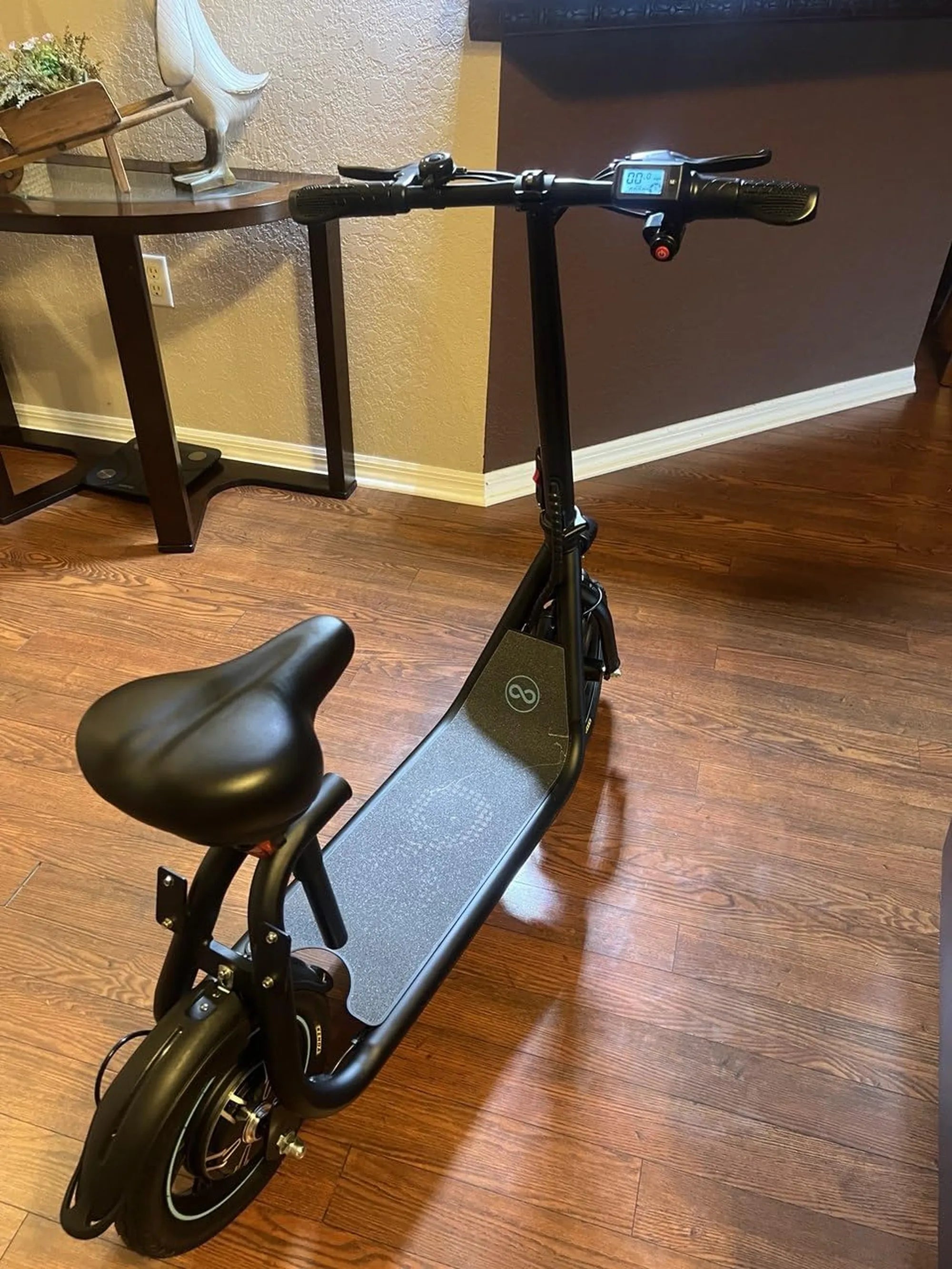
Singapore's streets are buzzing with a new wave of mobility as e-scooters become an increasingly common sight. These compact, electric-powered vehicles are transforming the way people navigate the city, offering a convenient and eco-friendly alternative to traditional transport. But as their popularity grows, so do the questions about their place on the road. Are e-scooters the future of urban mobility, or do they pose risks that need to be addressed?
The Rise of E-Scooters in Singapore
Over the past few years, e-scooters have surged in popularity across Singapore. Their compact size, affordability, and ease of use make them an attractive option for short-distance travel. Commuters are drawn to their ability to weave through traffic, bypassing congestion and reducing travel time. For many, e-scooters represent a greener alternative to cars and motorcycles, aligning with Singapore's vision of a sustainable urban future.
Regulations and Safety Concerns
With the growing presence of e-scooters on Singapore's roads, authorities have introduced regulations to ensure safety for all road users. Speed limits, mandatory helmet laws, and designated riding zones are some of the measures in place. However, accidents involving e-scooters have sparked debates about whether these rules are enough. Pedestrians, in particular, have raised concerns about collisions and reckless riding in shared spaces.
Infrastructure Challenges
Singapore's infrastructure is evolving to accommodate e-scooters, but challenges remain. The city-state's limited road space and high pedestrian density create a complex environment for micro-mobility devices. Dedicated bike lanes and parking areas are being expanded, but more investment is needed to create a seamless network that supports safe and efficient e-scooter use.
The Environmental Impact
E-scooters are often touted as a green solution to urban transport, but their environmental benefits depend on how they are used and managed. While they produce zero emissions during operation, the manufacturing and disposal of batteries raise sustainability questions. Proper recycling programs and energy-efficient production methods are essential to maximize their eco-friendly potential.
Public Perception and Adoption
Public opinion on e-scooters in Singapore is mixed. While some embrace them as a convenient and fun way to get around, others view them as a nuisance or safety hazard. Education campaigns and community engagement are key to fostering responsible riding habits and building trust among all road users.
The Future of E-Scooters in Singapore
As technology advances and urban landscapes adapt, e-scooters are likely to play an even bigger role in Singapore's transport ecosystem. Innovations like smart charging stations, improved battery life, and integration with public transit could further enhance their appeal. The challenge lies in balancing innovation with safety and sustainability.
E-scooters are here to stay, and their journey on Singapore's roads is just beginning. Whether they become a staple of urban mobility or face stricter regulations, one thing is clear: they are reshaping the way we think about getting from point A to point B. Are you ready to join the ride?
Electric Dirt Bike Under $1,000: Affordable Off-Road Adventure Awaits
Scooter Electric Start Just Clicks: The Future of Effortless Riding