



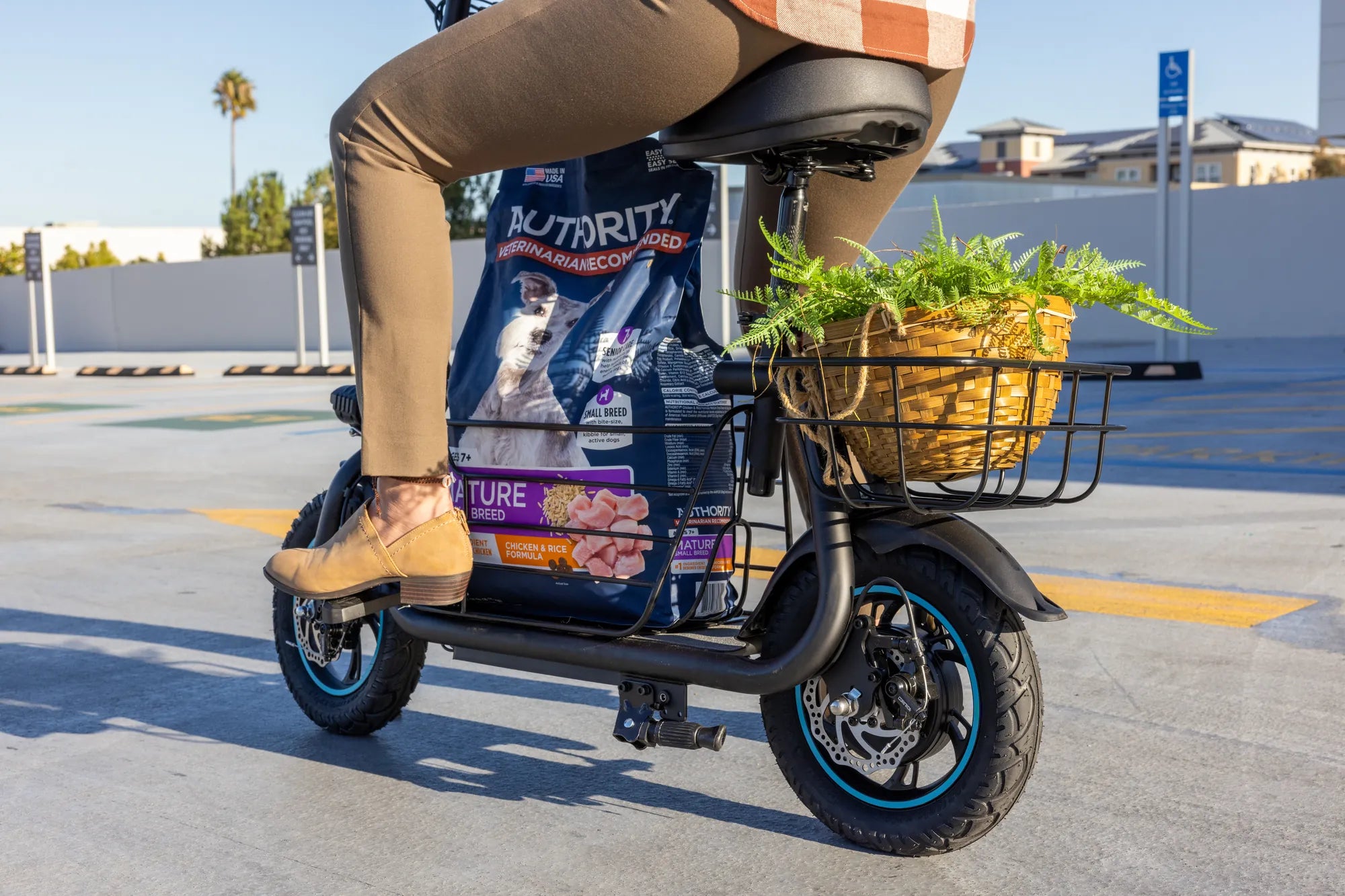
Electric mobility is revolutionizing urban transportation, and the debate between e scooters and ebikes is hotter than ever. Both offer eco-friendly alternatives to cars, but which one suits your lifestyle better? Let’s dive into the key differences to help you make an informed choice.
Speed and Performance
When it comes to speed, e scooters and ebikes cater to different needs. E scooters are typically lighter and more agile, with top speeds ranging from 15 to 25 mph. They’re ideal for short commutes and quick trips around town. Ebikes, on the other hand, often offer higher speeds, especially pedal-assist models, which can reach up to 28 mph or more. If you’re looking for a faster ride, an ebike might be the better option.
Range and Battery Life
Battery life is a critical factor for electric rides. E scooters generally have a shorter range, averaging 15 to 30 miles per charge, depending on the model and terrain. Ebikes, with their larger batteries, can often travel 30 to 60 miles on a single charge. If your daily commute is longer or you plan to use your ride for extended trips, an ebike’s superior range could be a game-changer.
Cost and Affordability
Budget plays a significant role in choosing between an e scooter and an ebike. E scooters are usually more affordable, with entry-level models starting at a few hundred dollars. Ebikes, however, tend to be pricier, often costing several thousand dollars for high-quality models. While ebikes may require a larger upfront investment, their durability and versatility can justify the cost for frequent riders.
Portability and Storage
E scooters shine in terms of portability. Most models are lightweight and foldable, making them easy to carry on public transport or store in small spaces. Ebikes, being bulkier and heavier, are less convenient to transport or store. If you live in a compact apartment or need a ride you can easily take indoors, an e scooter might be the more practical choice.
Comfort and Riding Experience
Ebikes generally offer a more comfortable ride, especially for longer distances. With their larger frames, padded seats, and suspension systems, they’re designed for extended use. E scooters, while fun and nimble, can be less comfortable over rough terrain or long rides due to their smaller wheels and lack of suspension. If comfort is a priority, an ebike is likely the better fit.
Legal and Safety Considerations
Laws governing e scooters and ebikes vary by location. E scooters are often subject to stricter regulations, such as speed limits and restricted riding areas. Ebikes, particularly pedal-assist models, are usually treated more like traditional bicycles. Always check local laws before purchasing to ensure compliance. Safety gear, such as helmets and reflective clothing, is essential for both options.
Environmental Impact
Both e scooters and ebikes are eco-friendly alternatives to gas-powered vehicles. However, ebikes often have a slight edge due to their longer lifespan and replaceable components. E scooters, while efficient, may require more frequent replacements, leading to higher electronic waste. If sustainability is a top concern, consider the long-term environmental impact of your choice.
Versatility and Use Cases
Ebikes are incredibly versatile, suitable for commuting, leisure rides, and even off-road adventures. E scooters excel in urban environments but may struggle on uneven terrain. Think about how you plan to use your ride—whether it’s for daily commutes, weekend getaways, or errands—to determine which option aligns best with your needs.
Choosing between an e scooter and an ebike ultimately depends on your lifestyle, budget, and riding preferences. Whether you prioritize speed, comfort, or portability, both options offer unique benefits. Ready to make the switch to electric mobility? The perfect ride is waiting for you!
Advance E Scooter: The Future of Urban Mobility and Sustainable Transportation
Lightweight Commuter Scooter: The Ultimate Urban Travel Companion