



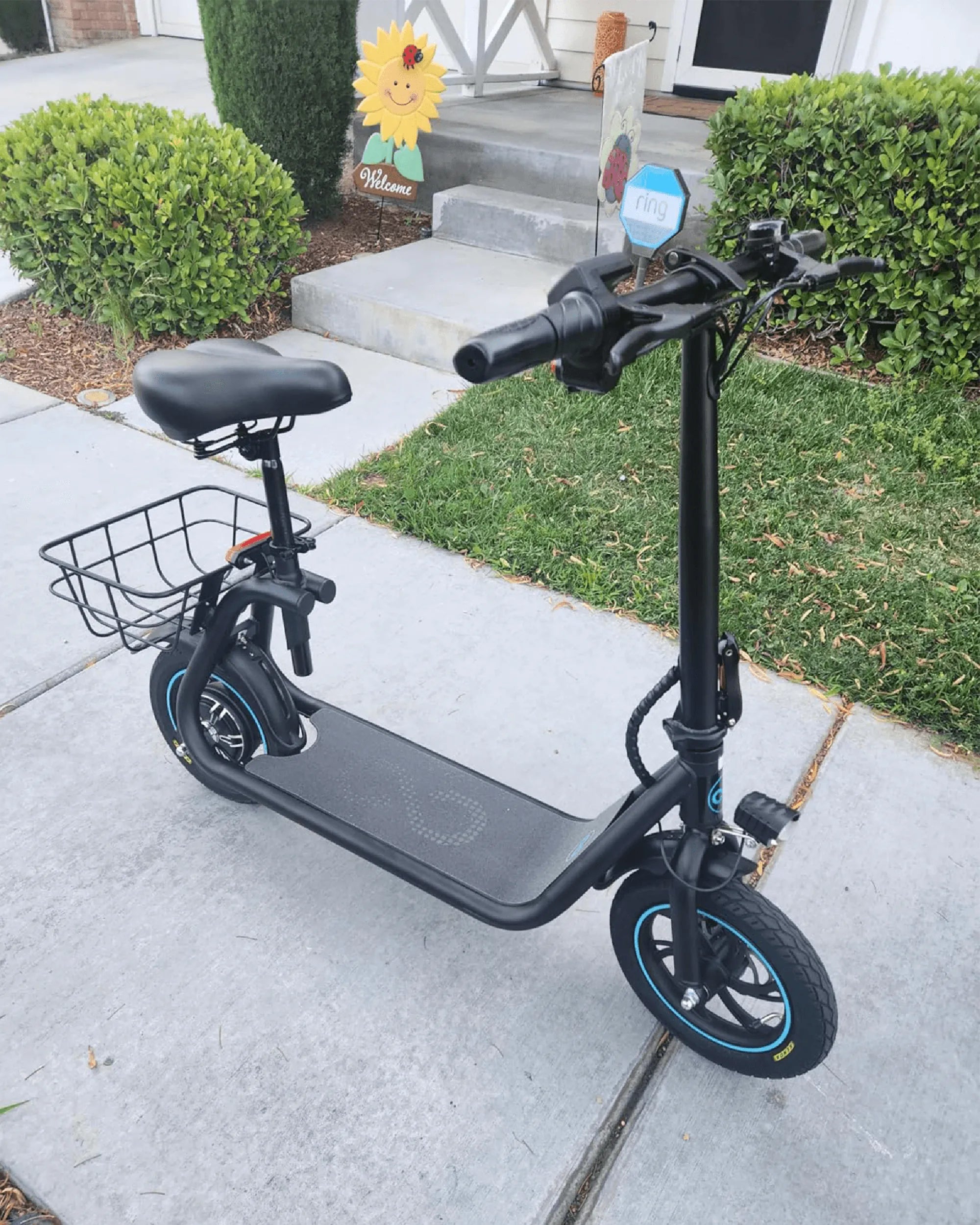
Navigating the ebike 2 wheels motor price landscape requires looking beyond the sticker. The final cost is a composite of the motor, battery, frame, components, and the brand's promise of quality and support. This guide dissects each element, providing a data-driven framework to understand what you're paying for and how to find the best value for your specific riding needs in 2024.
Understanding the Core Components of an E-Bike's Price Tag
The advertised price of an electric bike is the sum of its parts and engineering. It's a common misconception that the ebike 2 wheels motor price is dictated solely by motor wattage. In reality, the motor is one of several high-value components. A holistic view includes the battery pack, drive system, frame material, braking technology, and the integrated electronics.
Brand reputation and after-sales service also carry significant weight. A reputable manufacturer invests in rigorous safety testing, durable designs, and customer support infrastructure. These factors contribute to a higher initial cost but offer substantial long-term value and peace of mind, protecting your investment.
Understanding this breakdown empowers you to make informed comparisons. It helps you identify whether a low price point comes from smart engineering and direct-to-consumer sales or from compromises on critical safety components like the battery or motor reliability.
The Electric Motor: Heart of the Ride and a Major Cost Factor
The motor is the defining component that transforms a bicycle into an e-bike, and its specifications directly influence performance and cost. Motor type, placement, power output, and torque define the riding experience. The choice between motor types represents one of the most significant decisions impacting the overall ebike 2 wheels motor price and capability.
Power ratings, measured in watts (W), indicate potential output. In North America, common classifications range from 250W (often speed-limited for Class 1) to 750W and beyond for higher-performance models. Higher wattage typically correlates with increased cost and enhanced acceleration and hill-climbing ability.
However, wattage alone doesn't tell the full story. The quality of internal components, such as magnets, windings, and thermal management, affects efficiency, noise, and longevity. A well-built 500W motor from a reputable supplier can outperform a poorly constructed 750W unit, justifying a price difference.
Hub Motor vs. Mid-Drive Motor: A Cost & Performance Breakdown
Hub motors are integrated into the center of the front or rear wheel. They are generally less expensive to manufacture and install, making them common in budget and mid-range e-bikes. Hub drives offer simplicity, with fewer moving parts and often lower maintenance. They provide a direct power feel but can add unsprung weight to the wheel, potentially affecting handling.
Mid-drive motors are mounted at the bike's crank and pedal assembly. This sophisticated placement leverages the bicycle's existing gears, making them more efficient, especially on hills. Mid-drives offer a more natural, balanced riding feel as the weight is centralized. This advanced engineering and complexity result in a higher ebike 2 wheels motor price for mid-drive systems.
The performance difference is stark. For flat urban commutes, a hub motor is cost-effective and capable. For challenging terrain, heavy cargo hauling, or maximizing range, a mid-drive's efficiency and torque often justify its premium cost. Your primary use case is the key determinant.
Motor Power (Wattage) and Its Direct Impact on Price
Motor wattage serves as a primary pricing tier differentiator. Entry-level e-bikes, often priced under $1,500, typically feature hub motors in the 250W to 500W range. This is sufficient for assisting riders on paved paths and moderate inclines, aligning with the needs of casual commuters and recreational riders.
The mid-range market ($1,500 to $3,000) sees a jump to 500W, 750W, and even 1000W motors. This increased power provides confident acceleration, better performance on steeper hills, and the ability to carry more weight. The ebike 2 wheels motor price in this bracket reflects not just higher wattage but also better-quality motor construction and integration.
Premium e-bikes ($3,000+) often feature high-torque, brand-name mid-drive motors from specialists like Bosch, Shimano, or Brose. These systems are finely tuned, incredibly efficient, and seamlessly integrated. The cost here is for peak performance, reliability, and a premium riding experience coveted by enthusiasts and serious cyclists.
Beyond the Motor: Other Critical Components That Influence Price
While the motor provides the thrust, the rest of the bike determines the quality, safety, and enjoyment of the ride. A powerful motor paired with a poor battery or weak brakes is a flawed and potentially dangerous product. Savvy buyers must evaluate the entire package to understand the true ebike 2 wheels motor price value proposition.
The frame material is a foundational cost factor. Lightweight aluminum alloys are the standard for durability and value. Carbon fiber frames, found on high-end models, drastically reduce weight but exponentially increase cost. The design and welding quality also impact longevity and ride quality.
Braking systems are critical for safety. Mechanical disc brakes are common on budget models. Hydraulic disc brakes, standard in the mid-range and above, offer superior stopping power, modulation, and less maintenance, contributing to a higher price. The display unit, controller, and connectivity features (like app integration) add further layers of cost and functionality.
The Battery: Capacity, Brand, and Certification
The battery is frequently the single most expensive component of an e-bike. Its capacity, measured in watt-hours (Wh) or amp-hours (Ah), directly dictates potential range. Larger capacity batteries cost more but reduce range anxiety. However, the cells' quality and safety certification are paramount.
This is where brands like Gyroor establish critical value. Using UL-certified battery packs tested for over 500 charge cycles isn't just a feature; it's a fundamental safety commitment. Non-certified, cheap batteries pose a significant fire risk and degrade quickly, turning a low initial ebike 2 wheels motor price into a costly or dangerous liability.
Battery integration also affects cost. Removable batteries offer convenience for charging and security. Sleek, internally integrated batteries enhance aesthetics and weather protection but can be more complex to service. A reputable brand will support battery replacements, ensuring the bike's longevity beyond its initial lifespan.
Build Quality & Warranty: The Value of Peace of Mind
Build quality encompasses everything from water resistance to component durability. An IPX5 water-resistant rating, like those on Gyroor models, means the bike can withstand rain and splashes, protecting its electrical core. This engineering adds value and justifies a price point above basic, non-protected models.
The warranty is a direct reflection of a brand's confidence in its product. A comprehensive 1-year warranty covering the motor, battery, frame, and components, backed by accessible customer service, is invaluable. It transforms the ebike 2 wheels motor price from a simple purchase price into a total cost of ownership, protecting against unexpected repair costs.
Brands with a proven track record, trusted by over 100,000 riders like Gyroor, build their pricing on this foundation of reliability and support. The slightly higher initial investment compared to a no-name brand buys long-term dependability, safety assurance, and the peace of mind that comes from proven performance.
E-Bike Price Tiers: What to Expect in 2024
The e-bike market has matured into distinct price segments, each offering a predictable set of specifications and capabilities. Understanding these tiers helps align your budget with realistic expectations for motor performance, battery range, and component quality. Here’s a detailed breakdown of what defines each ebike 2 wheels motor price category.
| Price Tier | Typical Motor | Battery Range | Key Features | Best For |
|---|---|---|---|---|
| Budget-Friendly ($800 - $1,500) | 250W - 500W Hub Drive | 20-35 miles | Basic LCD, Mechanical Disc Brakes, Aluminum Frame | Paved Path Commuting, Light Recreation |
| Mid-Range ($1,500 - $3,000) | 500W - 750W Hub or Entry Mid-Drive | 35-60 miles | Hydraulic Disc Brakes, Suspension, Integrated Lights | Daily Commuting, Light Trail, Versatile Use |
| Premium ($3,000+) | High-Torque Mid-Drive (Bosch, etc.) | 50-100+ miles | Premium Gears/Suspension, Carbon Options, Advanced Displays | Serious MTB, Long-Distance Touring, Enthusiasts |
Budget-Friendly ($800 - $1,500): Commuter-Focused Basics
This entry point is defined by value-focused specifications. You'll predominantly find rear hub motors with sufficient power for flat to moderately hilly urban environments. Batteries are adequate for shorter commutes, often in the 10Ah to 14Ah (approx. 360Wh to 500Wh) range.
Components are functional but basic: mechanical disc brakes, simple suspension forks or rigid frames, and essential LCD displays showing speed and battery level. Brands operating here, including Gyroor's entry-level models, compete by offering core safety features like UL-certified batteries within this accessible ebike 2 wheels motor price range, a critical differentiator.
These e-bikes are ideal for riders with predictable, shorter routes on paved surfaces. They represent a low-risk entry into electric biking, though riders should manage expectations regarding top speed, hill ascent, and premium finishes.
Mid-Range ($1,500 - $3,000): The Sweet Spot for Most Riders
The mid-range segment offers the best balance of performance, features, and price for the majority of riders. Motor power increases significantly, with robust 750W hub drives or entry-level mid-drives becoming common. This provides confident acceleration and reliable hill-climbing for most city and suburban landscapes.
Battery capacity expands to 15Ah-20Ah (approx. 550Wh to 750Wh), pushing realistic ranges toward 40-60 miles per charge. Component quality sees a major upgrade: hydraulic disc brakes for consistent stopping power, better suspension for comfort, integrated lighting systems, and more informative displays.
This is where the total package shines. The ebike 2 wheels motor price here buys a versatile, durable machine capable of being a primary vehicle for daily commuting, weekend adventures on light trails, and carrying cargo. It's the tier where investment in a reputable brand pays clear dividends in daily usability.
Premium ($3,000+): High-Performance and Specialized Models
The premium tier is dominated by specialized performance and cutting-edge technology. High-torque, name-brand mid-drive motors from Bosch, Shimano, or Specialized are standard. These systems are incredibly efficient, offer natural pedal assist, and are built for demanding use like mountain biking or long-distance touring.
Batteries are large capacity, often 750Wh+, and may be seamlessly integrated. The componentry is top-shelf: high-end drivetrains (Shimano Deore, SRAM), advanced full-suspension systems, and lightweight carbon fiber parts. The ebike 2 wheels motor price at this level reflects a focus on optimal weight, performance, and durability for serious cyclists.
This market serves enthusiasts, competitive riders, and those for whom the e-bike is a high-utility tool for challenging terrain or ultra-long ranges. The price is justified by advanced engineering, premium materials, and often, specialized dealer networks for service and support.
Smart Shopping: How to Evaluate Value and Avoid Hidden Costs
An informed purchase decision looks beyond the advertised ebike 2 wheels motor price to evaluate total cost of ownership and hidden risks. Start by defining your primary use case: daily distance, terrain, cargo needs, and storage conditions. This focuses your search on bikes with appropriate motor and battery specs, preventing overpayment for unnecessary power or underbuying a struggling motor.
Always research the brand's reputation for customer service and warranty support. Read owner reviews focusing on long-term reliability and support experiences. A slightly higher price from a brand with a responsive service team and clear warranty terms is a smarter financial decision than a cheap bike with no support network.
Consider assembly and maintenance. Some direct-to-consumer bikes require self-assembly or a paid bike shop assembly. Factor this into your budget. Also, inquire about the availability and cost of replacement parts, especially batteries and motors, to gauge long-term affordability.
The True Cost of a Cheap Motor and Battery
Extremely low prices are almost always achieved by compromising on the motor and battery—the heart and soul of the e-bike. A cheap, generic motor may lack proper thermal protection, leading to overheating and premature failure. When it fails, finding a compatible replacement can be difficult or impossible, rendering the bike useless.
The risk is even greater with the battery. Non-UL-certified packs using low-quality cells are a documented fire hazard. They also lose capacity rapidly, meaning the already-short range will halve within a year. The true ebike 2 wheels motor price of such a product includes not just the purchase price but immense safety risk and the near-certainty of a very short usable lifespan.
Investing in a bike with a reputable motor supplier and a UL-certified battery, like those from Gyroor, is an investment in safety, reliability, and value retention. It ensures your bike remains a functional, enjoyable asset for years, not months.
Where to Buy: Direct-to-Consumer vs. Local Bike Shop
The purchase channel significantly affects the ebike 2 wheels motor price and post-purchase experience. Direct-to-consumer (DTC) brands like Gyroor sell online, eliminating retail markups. This allows them to offer more advanced specifications—like higher wattage motors and larger batteries—at a competitive price point. Support is typically via email, phone, and video guides.
Local bike shops (LBS) offer a traditional retail experience. You pay a premium, which covers professional assembly, a safety check, and often a free initial tune-up. The major advantage is immediate, face-to-face support for adjustments and repairs. They often carry established brands with strong dealer networks.
The choice depends on your priorities. If you seek maximum specs for your budget and are comfortable with minor self-service, DTC offers outstanding value. If you prefer hands-off assembly, ongoing professional service, and local rapport, an LBS is worth the extra investment.
Frequently Asked Questions (FAQ)
Q: Is a more expensive mid-drive motor worth it for flat city commuting?
A: For predominantly flat urban terrain, a quality hub-drive motor is usually the more cost-effective choice. It provides ample power for stop-and-go traffic and maintains simplicity. A mid-drive's advantages in gear efficiency and hill climbing are less critical on flat land, making its higher price harder to justify for pure city use.
Q: How much should I budget to replace an e-bike battery or motor?
A: Battery replacement is the most significant future cost, typically ranging from $300 to $800+ for a quality, brand-specific pack, depending on capacity. Hub motor replacements can cost $200-$500. Mid-drive motor replacements are more complex and often cost $600+. A strong warranty is the best defense against these expenses, making it a key factor in the initial ebike 2 wheels motor price evaluation.
Q: Can I save money by buying a cheaper e-bike and upgrading the motor later?
A: This is rarely practical or economical. E-bikes are integrated systems where the motor, battery, controller, and display are designed to work together. Upgrading the motor usually necessitates a new compatible battery and controller, with labor costs that can exceed the price of a new, better-equipped bike. It's more cost-effective to buy the performance you need upfront.
Q: Does a higher motor wattage always mean a faster e-bike?
A: Not necessarily. Top speed is often electronically limited to comply with local regulations (e.g., 20 mph for Class 1/2, 28 mph for Class 3). Higher wattage primarily improves acceleration and torque, making it easier to reach and maintain that top speed, especially under load or on hills. The ebike 2 wheels motor price increase for higher wattage buys effortlessness, not always outright speed.
Q: What is the most important feature to prioritize after the motor and battery?
A> Braking system. Hydraulic disc brakes should be a top priority for any e-bike used at regular speeds. The added weight and speed of an e-bike demand consistent, reliable stopping power in all conditions. Quality brakes are a non-negotiable safety feature that adds value and security to your ride.
Final Verdict: Balancing Motor Performance with Overall Value
The pursuit of the perfect ebike 2 wheels motor price is a search for balance. The ideal e-bike pairs a motor suited to your terrain with a safe, high-quality battery, durable construction, and reliable stopping power. It’s this harmonious integration that defines true value, not any single component's specification in isolation.
Prioritizing brands that build this balance into their philosophy—emphasizing UL-certified safety, water-resistant durability, and comprehensive customer support—ensures your investment is protected. The slightly higher initial cost of a trustworthy e-bike pays dividends in safety, longevity, and daily riding pleasure, transforming a purchase into a long-term transportation solution.
Ready to find an e-bike that delivers on performance, safety, and value? Explore a range of models engineered with reliable motors, certified batteries, and rider-focused designs. Browse the full Gyroor collection at gyroorboard.com to discover your perfect ride.
Ebike Battery Recycling: The Complete Guide to Responsible Disposal
Best Ebike to Carry Kids: The Ultimate 2024 Family Hauler Guide