

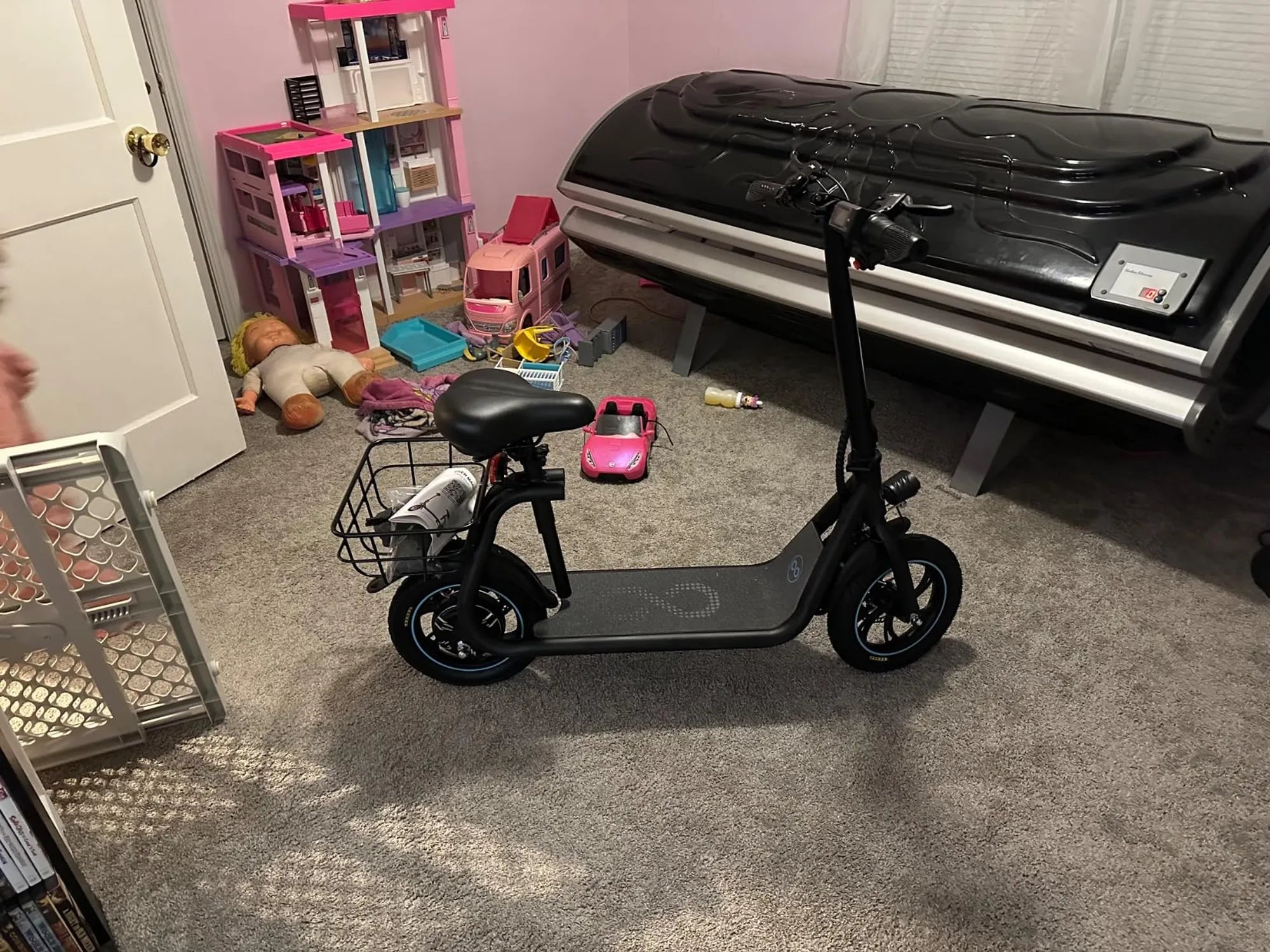
Imagine a world where traffic jams are a thing of the past, where your daily commute is not only faster but also greener. By 2025, ebikes are set to transform urban mobility, offering a sustainable and efficient alternative to traditional transportation. With advancements in technology, infrastructure, and consumer adoption, the future of ebikes looks brighter than ever.
The Rise of Ebikes in Urban Landscapes
Urban areas are becoming increasingly congested, and traditional modes of transportation are struggling to keep up. Ebikes, with their ability to navigate through traffic and reduce carbon emissions, are emerging as the perfect solution. By 2025, cities worldwide are expected to integrate ebikes into their public transportation networks, making them a staple for commuters.
Technological Advancements Driving the Ebike Revolution
The ebike industry is evolving rapidly, with innovations in battery technology, motor efficiency, and smart connectivity. By 2025, we can expect ebikes to feature longer-lasting batteries, faster charging times, and seamless integration with mobile apps for real-time tracking and diagnostics. These advancements will make ebikes more accessible and user-friendly than ever before.
Environmental Benefits of Ebikes
One of the most compelling reasons to adopt ebikes is their positive impact on the environment. Unlike cars, ebikes produce zero emissions and require significantly less energy to operate. By 2025, the widespread use of ebikes could contribute to a substantial reduction in urban air pollution, helping cities meet their sustainability goals.
Economic Advantages for Consumers
Ebikes are not only eco-friendly but also cost-effective. With rising fuel prices and the high cost of car ownership, ebikes offer an affordable alternative. By 2025, the total cost of ownership for an ebike is expected to be significantly lower than that of a car, making them an attractive option for budget-conscious consumers.
Infrastructure Developments Supporting Ebike Adoption
For ebikes to become a mainstream mode of transportation, cities must invest in the necessary infrastructure. By 2025, we can expect to see more dedicated bike lanes, charging stations, and parking facilities for ebikes. These developments will make it easier and safer for people to choose ebikes over cars.
The Role of Government Policies in Ebike Growth
Government incentives and regulations will play a crucial role in the adoption of ebikes. By 2025, many countries are likely to introduce subsidies, tax breaks, and other incentives to encourage the use of ebikes. Additionally, stricter emissions regulations for vehicles may further drive the shift toward ebikes.
Health and Wellness Benefits of Ebikes
Ebikes offer a unique combination of convenience and physical activity. While they provide electric assistance, riders still engage in moderate exercise, promoting cardiovascular health and overall well-being. By 2025, ebikes could become a popular tool for fitness enthusiasts and those looking to incorporate more activity into their daily routines.
Challenges and Solutions for Ebike Adoption
Despite their many benefits, ebikes face challenges such as safety concerns, theft, and limited public awareness. By 2025, advancements in anti-theft technology, improved safety features, and educational campaigns will help address these issues, making ebikes a more viable option for the masses.
The Future of Ebikes: Beyond 2025
The ebike revolution is just beginning. Beyond 2025, we can expect even more innovative designs, such as foldable and lightweight models, as well as integration with renewable energy sources. The possibilities are endless, and ebikes are poised to become a cornerstone of sustainable urban living.
The future of transportation is here, and it’s electric. By 2025, ebikes will not only change the way we commute but also contribute to a cleaner, healthier, and more efficient world. Don’t get left behind—join the ebike revolution today!
How to Start a Dirt Bike with Kick Start: A Step-by-Step Guide
40cc Scooter: The Ultimate Guide to Compact and Efficient Urban Commuting