

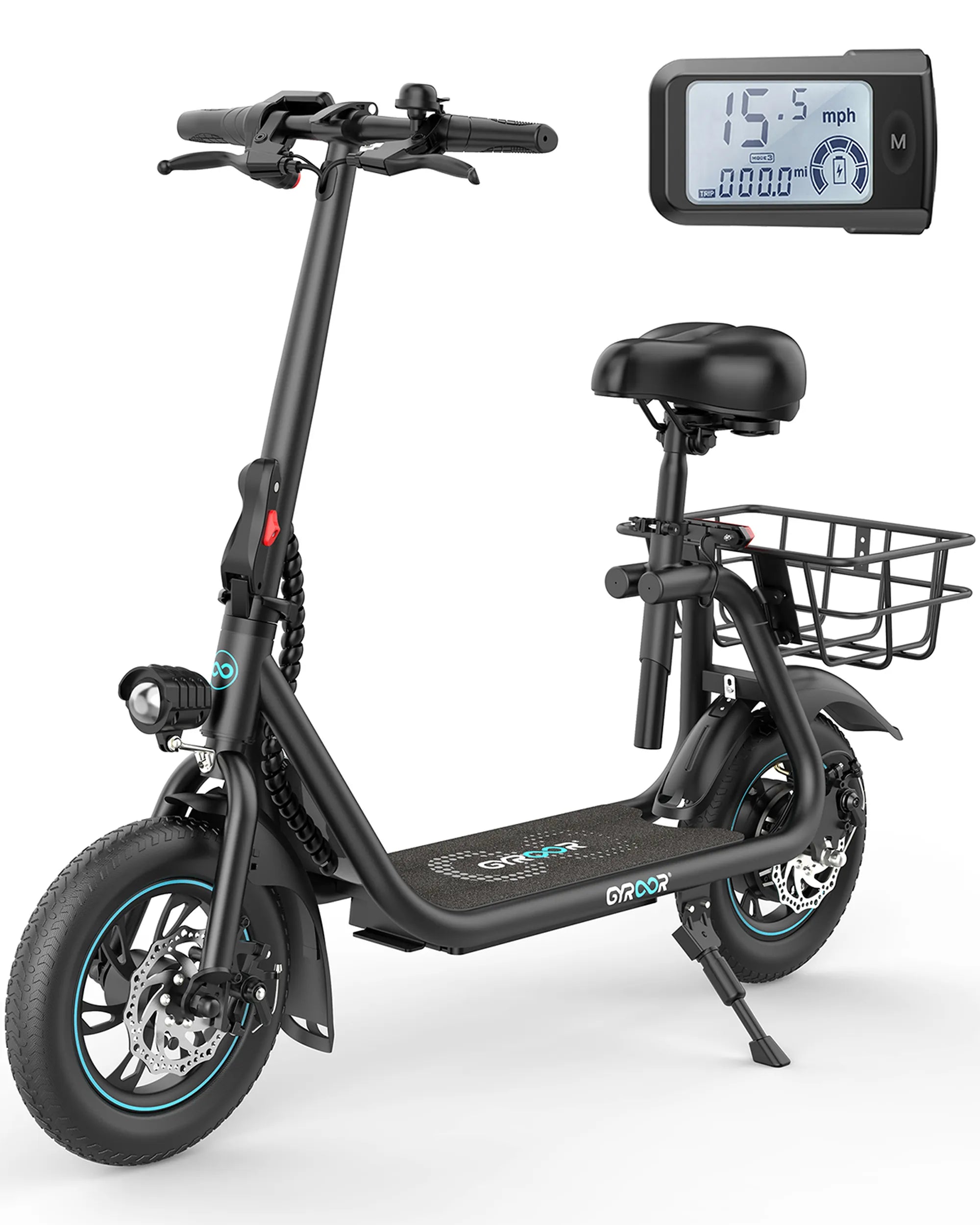
Understanding ebike battery cost is essential for any rider, as the battery represents the single most significant and recurring investment in your electric bike's ownership. This guide will provide a detailed, data-driven breakdown of what determines price, how to calculate long-term value beyond the sticker price, and actionable strategies to maximize your battery's lifespan and performance. You will learn to differentiate between a cheap component and a true investment in safety, range, and reliability.
Introduction: The Heart of Your E-Bike Investment
The battery is the heart and soul of an electric bicycle, dictating its range, power, and overall riding experience. While the initial ebike battery cost is a key consideration, it is far more insightful to view this expense through the lens of total cost of ownership. A higher-quality battery from a reputable manufacturer often provides superior long-term value through extended lifespan, consistent performance, and enhanced safety features.
Cheaper alternatives may seem appealing initially, but they frequently lead to higher costs over time due to premature failure, reduced range, and potential safety hazards. Leading brands, such as Gyroor, prioritize using UL-certified battery packs and robust construction, which directly impacts both upfront price and long-term reliability. This investment translates directly into confidence on every ride.
This guide will dissect the complex factors that contribute to ebike battery pricing. We will move beyond basic specifications to explore the critical roles of cell quality, management systems, and warranty protection. By the end, you will be equipped to make an informed decision that balances initial expenditure with years of dependable service.
Decoding E-Bike Battery Cost: Key Factors That Drive the Price
The price tag on an ebike battery is not arbitrary; it is a direct reflection of the materials, technology, and engineering inside. The primary drivers of cost include the battery's chemistry, its electrical capacity and voltage, the quality of its construction, and the reputation of the brand behind it. Understanding these elements is the first step in assessing true value.
Many riders focus solely on voltage (V) and amp-hours (Ah), but these are just part of the equation. The type of lithium cells used, the sophistication of the Battery Management System (BMS), and the inclusion of smart features all carry significant cost implications. A battery is a complex electromechanical system, not just a simple power container.
Furthermore, rigorous testing for safety, durability, and water resistance adds to manufacturing costs but is non-negotiable for reliable performance. Brands that invest in these areas, including comprehensive certifications, inherently have a higher production cost that is reflected in the retail ebike battery cost. This investment is passed on as peace of mind to the rider.
Battery Chemistry & Quality: From Cells to Pack
The core chemistry of the battery cells is a fundamental cost determinant. Most modern e-bikes use Lithium-ion (Li-ion) variants, but not all are equal. Higher-performance chemistries like Lithium Nickel Manganese Cobalt Oxide (NMC) offer excellent energy density but come at a higher price point than older Lithium Iron Phosphate (LiFePO4) cells, which are known for exceptional longevity and safety.
Within a given chemistry, the brand and grade of the individual cells are paramount. Batteries built with name-brand cells from manufacturers like Samsung, LG, or Panasonic command a premium over those using generic, unbranded cells. These premium cells undergo stricter quality control, offer more consistent performance, and deliver on their promised cycle life, directly justifying a higher ebike battery cost.
The Battery Management System (BMS) is the brain of the pack. A high-quality BMS precisely monitors cell voltage, temperature, and current, ensuring balanced charging and protecting against overcharge, deep discharge, and short circuits. A sophisticated BMS is an engineering cost that significantly enhances safety and longevity, making it a critical value component often overlooked in cheaper packs.
Capacity & Voltage: The Range and Power Equation
Capacity, measured in Amp-hours (Ah) or the more universal Watt-hours (Wh), is the fuel tank of your e-bike. It directly determines how far you can travel on a single charge. As a rule, a higher capacity battery will have a higher ebike battery cost due to the increased number of raw materials—more lithium cells—required for its construction.
Voltage (V) determines the system's potential power and influences motor performance. Common voltages are 36V, 48V, and 52V. Higher voltage systems can deliver more power and efficiency, especially on hills, but require more cells in series, increasing complexity and cost. The combination of voltage and capacity (Wh = V x Ah) gives the total energy content, which is the best single-number indicator of a battery's capability and a primary driver of its price.
For example, a 48V 15Ah battery (720Wh) will typically cost significantly more than a 36V 10Ah battery (360Wh), as it contains roughly twice the raw cell material and energy storage. When evaluating ebike battery cost, always calculate or look for the Watt-hour rating to make accurate comparisons between different voltage systems.
Brand, Warranty, and Smart Features
A reputable brand's premium is not just for the logo; it pays for extensive research, development, and quality assurance. Brands like Gyroor invest in rigorous testing protocols, including vibration, impact, and thermal stress tests, to ensure reliability. They also secure safety certifications like UL listing, which involves third-party verification—a process that adds cost but is a hallmark of a trustworthy product.
A strong warranty is a direct financial promise and indicator of confidence. A one-year or longer comprehensive warranty on the battery pack protects your investment against manufacturing defects. The cost of providing this service is factored into the initial ebike battery cost but offers substantial long-term value and risk mitigation for the consumer.
Modern batteries may also include smart features like Bluetooth connectivity for monitoring battery health via a smartphone app, integrated displays showing state-of-charge, or advanced thermal management. These features enhance the user experience and require additional electronics and software development, contributing to a higher final price point for the battery unit.
The Real Cost of Ownership: Purchase Price vs. Long-Term Value
The true ebike battery cost is not the number on the receipt at purchase; it is the total expenditure over the battery's usable life. This concept, known as Total Cost of Ownership (TCO), factors in lifespan, maintenance, reliability, and even resale value. A cheaper battery that fails after one year is ultimately more expensive than a premium battery that lasts for four.
Calculating cost per mile or cost per charge cycle provides a more accurate financial picture. If a $200 battery lasts 300 full cycles and a $500 battery lasts 1000 cycles, the cheaper battery costs about $0.67 per cycle, while the premium option costs $0.50 per cycle. Over time, the higher-quality battery proves more economical, in addition to providing better performance throughout its life.
Ownership costs also include the inconvenience and potential expense of downtime, reduced range anxiety, and the risk of being stranded. A reliable battery from a trusted source minimizes these hidden costs. Therefore, evaluating ebike battery cost requires a shift in perspective from initial savings to long-term value and riding satisfaction.
Lifespan and Cycle Count: Paying for Durability
Battery lifespan is typically measured in charge cycles. A cycle is defined as one full discharge from 100% to 0% and back to 100%, though partial discharges also count fractionally. High-quality batteries are rated for 500 to 1000+ full cycles before their capacity degrades to 70-80% of the original. This cycle rating is a key specification that justifies a higher ebike battery cost.
The construction quality directly impacts longevity. Features like high-grade cells, robust spot-welding or soldering of connections, a protective casing, and a quality BMS that prevents harmful stress all contribute to a battery reaching its maximum cycle potential. A cheaper pack may use inferior cells and a basic BMS, leading to rapid capacity fade and a need for early replacement, negating any initial price advantage.
Riding habits and maintenance also play a role, but they act upon the battery's inherent durability. Starting with a pack engineered for a long life gives you a much higher ceiling for performance. When comparing options, always check the manufacturer's stated cycle life expectancy; it is a critical data point for understanding the long-term ebike battery cost.
Safety and Reliability: The Priceless Factor
Safety is an area where cutting corners on ebike battery cost can have catastrophic consequences. Poorly manufactured batteries with substandard cells, inadequate internal spacing, or faulty BMS units are prone to overheating, which can lead to thermal runaway—a fire that is difficult to extinguish. The financial and personal risks here are immense and unacceptable.
Reliability encompasses consistent performance across temperatures and charge levels. A quality battery will deliver near its rated capacity even in cooler weather and provide stable voltage under load, preventing the motor from cutting out unexpectedly. Cheap batteries often suffer from significant voltage sag, where power drops sharply as the battery depletes, leading to a frustrating and unpredictable ride.
Investing in a battery with recognized safety certifications (UL, CE) and from a brand with a proven track record is essentially purchasing insurance. It ensures the pack has been designed with proper fuses, temperature sensors, and cell isolation. This aspect of the ebike battery cost is not where to seek savings; it is a fundamental investment in your safety and the protection of your property.
Resale Value and Warranty Protection
An often-overlooked aspect of the total ebike battery cost equation is residual value. Should you decide to sell your e-bike, a well-maintained, brand-name battery with documented health and a transferable warranty significantly boosts the resale price. Buyers are wary of e-bikes with generic or aging batteries, as replacement is a major known future expense.
A comprehensive warranty directly protects your financial outlay. It should cover defects in materials and workmanship for a defined period, typically one year for reputable brands. Some warranties may also guarantee a minimum capacity retention over time. Understanding the warranty's scope—what it covers, the claim process, and who bears shipping costs—is crucial when assessing the value proposition of the ebike battery cost.
For instance, a brand like Gyroor offers a 1-year warranty on its UL-certified battery packs, supported by customer service in North America. This service infrastructure has a cost but provides tangible value by ensuring support is available if needed, protecting your investment long after the initial purchase.
E-Bike Battery Cost Breakdown: A Practical Comparison
To visualize the spectrum of value, it is helpful to categorize ebike battery cost into general tiers based on quality, features, and expected lifespan. The following table provides a simplified comparison to guide your expectations. Note that prices can vary based on capacity, retailer, and specific features.
| Tier | Estimated Price Range (for common capacities) | Typical Characteristics | Example Use Case |
|---|---|---|---|
| Budget Tier | $150 - $300 | Generic/unbranded cells, basic BMS, minimal safety testing, short or no warranty, simple casing. | Replacement for very old e-bikes where absolute lowest upfront cost is the only priority. |
| Mid-Range Tier | $300 - $600 | Brand-name cells (e.g., lower-tier Samsung), improved BMS, some safety certifications (CE), 6-12 month warranty. | Good balance for commuters seeking reliable daily performance without premium features. |
| Premium Tier | $500 - $900+ | High-grade name-brand cells (e.g., Samsung 35E, LG MJ1), advanced BMS with thermal protection, UL certification, IPX5+ water resistance, 1-2 year comprehensive warranty, smart features. | Serious commuters, enthusiasts, and riders prioritizing maximum safety, longevity, and performance. This tier includes batteries for brands like Gyroor, which incorporate these premium attributes. |
The jump from Budget to Mid-Range offers the most significant improvement in safety and reliability. The step from Mid-Range to Premium focuses on maximizing lifespan, adding robust environmental protection, and integrating smart technology. Your choice should align with how you use your e-bike and the value you place on long-term dependability.
Maximizing Your Battery Investment: Care and Maintenance Tips
Protecting your investment goes beyond the initial purchase. Proper care and maintenance can significantly extend your battery's functional life, directly improving the long-term value you receive for your ebike battery cost. These practices are simple but have a profound impact on cell health.
The core principle is to minimize stress on the lithium cells. Stress factors include extreme temperatures, consistently draining to 0%, leaving the battery at 100% charge for extended periods, and using an incorrect charger. By managing these factors, you can help your battery achieve, or even exceed, its rated cycle life.
Implementing these habits is a form of active asset management. It ensures the performance and range you paid for remain consistent for as long as possible, delaying the need for a costly replacement and lowering your overall cost per mile of riding.
Optimal Charging Practices
Avoid regularly charging to 100% and discharging to 0%. For daily use, maintaining a state of charge between 20% and 80% is ideal for long-term cell health. If you need the full range for a long trip, charging to 100% is fine, but avoid leaving the battery at full charge for days on end. Similarly, recharge before the battery is completely depleted.
Use only the charger provided by the e-bike or battery manufacturer. Chargers are designed for specific voltage and current profiles. Using an incorrect charger can lead to overcharging, undercharging, or damaging the BMS, voiding your warranty and creating a safety hazard. This is a critical rule for protecting your ebike battery investment.
Allow the battery to cool down after a ride before charging, especially after strenuous use. Charging generates heat, and starting with a hot battery adds thermal stress. Likewise, avoid charging in direct sunlight or in a hot garage. Room-temperature charging is optimal for preserving the internal chemistry of the pack.
Storage and Environmental Care
For long-term storage (over a month), the ideal charge level is approximately 60%. Storing a battery fully charged or completely empty accelerates capacity loss. Check the charge level every few months during storage and top it up to around 60% if it has drifted significantly.
Store the battery in a cool, dry place. Extreme cold can temporarily reduce capacity, while extreme heat (inside a car on a summer day, for example) can cause permanent damage and accelerate aging. The recommended storage temperature range is typically between 10°C and 25°C (50°F to 77°F).
Protect the battery from physical impacts and moisture. While premium batteries like those from Gyroor feature IPX5 water-resistant designs, it is still best practice to avoid direct exposure to heavy rain when not necessary and to dry the battery and connectors if they do get wet. Inspect the casing and connectors periodically for any signs of damage.
When to Repair, When to Replace
Recognize the signs of normal degradation versus failure. A gradual loss of maximum range (e.g., 10-20% over a few years) is normal. A sudden, severe drop in range, the battery not holding a charge, getting abnormally hot during charging, or the BMS shutting off unpredictably are signs of a potential problem.
For high-quality batteries with name-brand cells, professional repair by a qualified technician can be a cost-effective option if only the BMS or a small number of cells have failed. However, this requires specialized knowledge and equipment. For budget batteries or packs with widespread cell failure, replacement is almost always the more sensible and safer choice.
Always consult the manufacturer's warranty first. If your battery is exhibiting problems within the warranty period, contact the seller or manufacturer for support. Attempting to open or repair a battery yourself is extremely dangerous, voids all warranties, and should never be attempted due to the risk of fire or explosion.
FAQ: Your E-Bike Battery Cost Questions Answered
Q: Can I use a cheaper, third-party battery with my e-bike?
A: While physically compatible third-party batteries exist, it is strongly discouraged. The battery and BMS are designed to work specifically with your e-bike's motor controller. An incompatible battery can cause performance issues, damage electronics, void your bike's warranty, and pose a serious safety risk due to potential mismatches in voltage or BMS communication protocols.
Q: How much does it typically cost to replace an e-bike battery?
A> Replacement ebike battery cost varies widely. For a quality replacement from the original manufacturer, expect to pay between $400 and $800 for a standard capacity pack (e.g., 48V 14Ah-17Ah). Higher-capacity or premium models can cost $900+. Third-party options may start around $250 but come with the significant risks outlined above. Always budget for this eventual replacement when considering the total cost of e-bike ownership.
Q: Is a battery upgrade worth the cost for more range?
A> Upgrading to a higher-capacity battery from your bike's manufacturer can be an excellent investment if you consistently need more range. It is often more cost-effective than buying a whole new e-bike. Ensure the new battery's voltage matches your system and that it is physically compatible. The increased Wh will directly translate to more miles per charge, enhancing your riding flexibility and enjoyment.
Q: What does the warranty usually cover on an e-bike battery?
A> A standard warranty from a reputable brand covers defects in materials and workmanship for a set period, usually one year. It typically does not cover capacity loss from normal wear and tear, physical damage from crashes or misuse, or water damage if the battery's IP rating is exceeded. Always read the warranty terms carefully to understand the claim process and what is required for validation (e.g., original purchase receipt).
Q: How can I tell if my battery's health is declining?
A> The most straightforward indicator is a noticeable reduction in your maximum range under similar riding conditions. You might also observe the battery charge indicator dropping faster than before, or the battery feeling hotter than usual during use or charging. Some smart batteries with Bluetooth can provide a health percentage via an app. A decline to 70-80% of original capacity is typical for end-of-life.
Conclusion: Investing in Confidence and Miles Ahead
The decision on ebike battery cost is ultimately a choice between a short-term expense and a long-term investment. A high-quality battery, characterized by premium cells, a robust BMS, and strong safety certifications, delivers unparalleled value through thousands of reliable miles, consistent performance, and fundamental peace of mind. It transforms your e-bike from a simple vehicle into a dependable partner for commuting, exploration, and enjoyment.
By understanding the factors that drive price and implementing proper care techniques, you take control of the total cost of ownership. You ensure that the heart of your e-bike remains strong, powerful, and safe for years to come. This proactive approach maximizes the return on your investment and minimizes the total cost per smile earned on every ride.
For riders seeking this standard of reliability and performance, exploring options from trusted brands is the essential next step. Discover the difference that engineering and quality assurance make. Browse the full Gyroor collection, featuring e-bikes and scooters equipped with UL-certified, high-performance batteries, at gyroorboard.com.
E Bike vs Public Transport: A Data-Driven Guide to Your Optimal Commute
E Bike Levels Explained: A Complete Guide to Pedal Assist Modes