

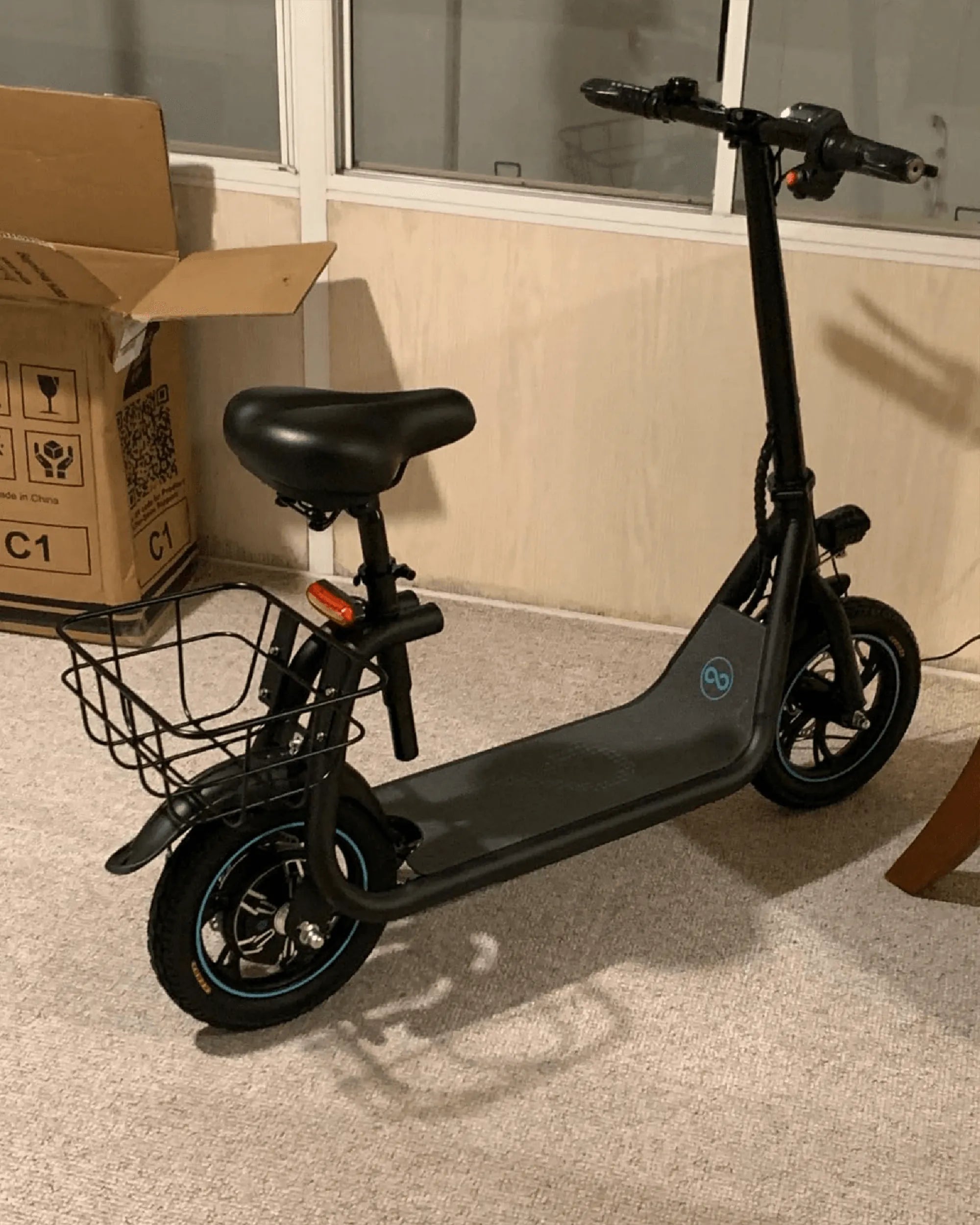
Electric bikes have revolutionized personal transportation, offering an eco-friendly and efficient way to commute. At the heart of every ebike lies its battery, and securing it properly is crucial for both performance and safety. The ebike battery mounting plate plays a pivotal role in this setup, ensuring your battery stays firmly in place no matter the terrain. Whether you're a seasoned rider or new to the world of ebikes, understanding the ins and outs of battery mounting plates can make all the difference.
Why an Ebike Battery Mounting Plate Matters
The ebike battery mounting plate is more than just a piece of hardware; it's the foundation of your battery's stability. A well-designed plate ensures that your battery remains securely attached, even on bumpy rides. Without a reliable mounting plate, your battery could shift or detach, leading to potential damage or safety hazards. Additionally, a proper mounting plate distributes the weight evenly, reducing strain on your bike's frame and improving overall balance.
Types of Ebike Battery Mounting Plates
Not all mounting plates are created equal. Depending on your ebike model and battery type, you might encounter different designs. Some plates are integrated into the bike's frame, while others are aftermarket additions. Common materials include aluminum and reinforced plastic, each offering unique benefits in terms of durability and weight. Choosing the right plate depends on factors like battery size, bike compatibility, and riding conditions.
Installation Tips for Your Ebike Battery Mounting Plate
Installing an ebike battery mounting plate might seem straightforward, but attention to detail is key. Start by ensuring your bike's frame is clean and free of debris. Align the plate carefully, making sure all screws and bolts are tightened to the manufacturer's specifications. Avoid over-tightening, as this could strip the threads or damage the plate. If you're unsure about the process, consulting a professional can save you time and prevent costly mistakes.
Maintenance and Care for Longevity
Like any component of your ebike, the mounting plate requires regular maintenance. Inspect it periodically for signs of wear, such as cracks or loose fittings. Clean the plate and surrounding area to prevent dirt buildup, which can affect its performance. Lubricate moving parts if necessary, and always check the battery's connection points to ensure they remain secure. Proper care will extend the life of your mounting plate and keep your rides smooth and worry-free.
Common Issues and How to Fix Them
Even the best ebike battery mounting plates can encounter issues over time. Loose screws, misalignment, and corrosion are among the most common problems. Tightening loose fittings and realigning the plate can often resolve minor issues. For corrosion, a gentle cleaning with a suitable solution can restore functionality. If problems persist, replacing the plate or seeking professional help may be necessary. Addressing these issues promptly ensures your battery stays secure and your rides remain safe.
Upgrading Your Ebike Battery Mounting Plate
As ebike technology advances, so do the components that support it. Upgrading your mounting plate can offer benefits like improved durability, better weight distribution, and enhanced compatibility with newer battery models. When considering an upgrade, research the latest options and read reviews to find a plate that meets your needs. A well-chosen upgrade can significantly enhance your ebike's performance and longevity.
Your ebike's battery is its lifeblood, and the mounting plate is what keeps it safe and secure. By understanding the importance of this component, choosing the right type, and maintaining it properly, you can enjoy countless miles of smooth, worry-free riding. Whether you're tackling city streets or rugged trails, a reliable ebike battery mounting plate ensures your battery stays right where it belongs—powering your adventures without a hitch.
50cc 2 Stroke Scooter: The Ultimate Guide to Lightweight Urban Commuting
50cc 2 Stroke Scooter: The Ultimate Guide to Lightweight Urban Commuting