

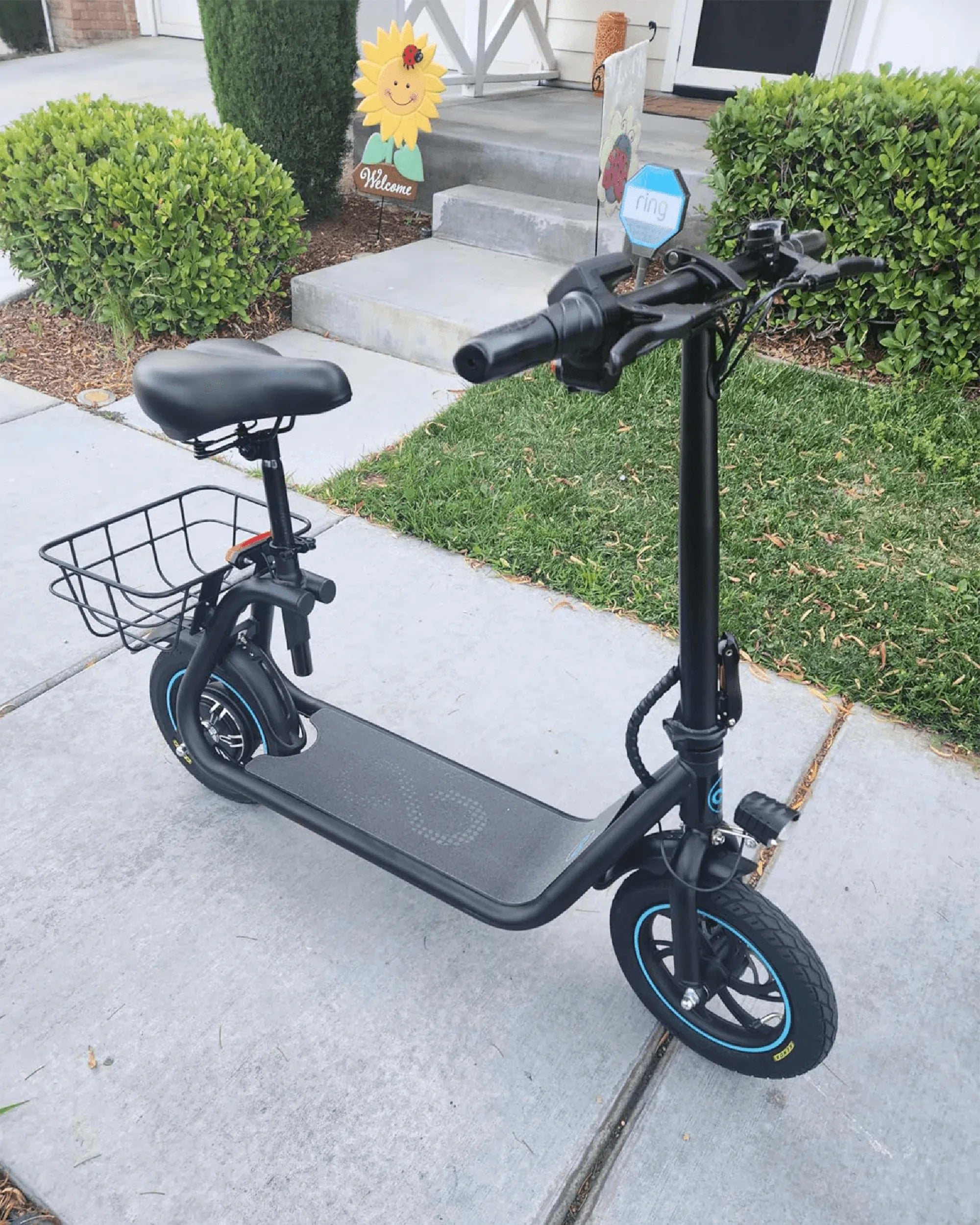
Electric bikes (ebikes) have revolutionized personal transportation, offering an eco-friendly and efficient way to commute. At the heart of every ebike lies its battery system, a complex assembly of parts working together to deliver power and performance. Understanding these ebike battery parts is crucial for maintaining your ride and ensuring longevity. Whether you're a seasoned rider or new to the world of ebikes, this guide will walk you through the essential components and how to care for them.
The Core Components of an Ebike Battery
An ebike battery is more than just a power source; it's a sophisticated system comprising several key parts. Here’s a breakdown of the most critical components:
1. Battery Cells
The battery cells are the building blocks of your ebike battery. These cells store the electrical energy needed to power your bike. Most modern ebikes use lithium-ion cells due to their high energy density, lightweight, and long lifespan. The quality and arrangement of these cells directly impact the battery's capacity and performance.
2. Battery Management System (BMS)
The Battery Management System (BMS) is the brain of the battery. It monitors and regulates the flow of electricity, ensuring the cells charge and discharge safely. A well-functioning BMS prevents overcharging, overheating, and deep discharging, all of which can shorten the battery's life.
3. Housing and Casing
The housing and casing protect the delicate internal components from physical damage, moisture, and dust. High-quality casings are made from durable materials like aluminum or reinforced plastic, offering both protection and heat dissipation.
4. Connectors and Wiring
Connectors and wiring are the lifelines that transfer power from the battery to the motor. Poor-quality connectors can lead to power loss or even safety hazards. Ensure your battery has robust, corrosion-resistant connectors for reliable performance.
5. Charging Port
The charging port is your gateway to replenishing the battery's energy. It should be easily accessible and compatible with your charger. Some advanced batteries feature fast-charging ports, reducing downtime between rides.
How to Maintain Your Ebike Battery Parts
Proper maintenance can significantly extend the life of your ebike battery. Here are some tips to keep your battery in top condition:
1. Regular Charging
Avoid letting your battery drain completely. Lithium-ion batteries perform best when kept between 20% and 80% charge. Frequent full discharges can degrade the cells over time.
2. Store Properly
If you’re not using your ebike for an extended period, store the battery in a cool, dry place. Ideally, keep it at around 50% charge to prevent capacity loss.
3. Clean the Connectors
Dirt and corrosion can interfere with the battery’s performance. Regularly inspect and clean the connectors with a dry cloth or a small brush.
4. Avoid Extreme Temperatures
High temperatures can cause the battery to overheat, while cold temperatures can reduce its efficiency. Store and charge your battery in a temperate environment.
Signs Your Ebike Battery Parts Need Replacement
Even with proper care, ebike battery parts will eventually wear out. Here are some signs that it might be time for a replacement:
- Reduced Range: If your ebike doesn’t travel as far on a single charge as it used to, the battery cells may be degrading.
- Slow Charging: A battery that takes longer to charge could indicate a failing BMS or worn-out cells.
- Physical Damage: Cracks, leaks, or swelling in the casing are clear signs that the battery needs attention.
- Inconsistent Performance: If the power delivery is erratic, the connectors or wiring might be faulty.
Upgrading Your Ebike Battery Parts
If you’re looking to boost your ebike’s performance, upgrading certain battery parts can make a difference. Consider these options:
1. Higher Capacity Cells
Upgrading to higher-capacity cells can increase your ebike’s range. Just ensure the new cells are compatible with your BMS and motor.
2. Advanced BMS
A more sophisticated BMS can offer better protection and efficiency, especially if you’re pushing your ebike to its limits.
3. Lightweight Casing
Switching to a lighter casing can reduce the overall weight of your ebike, improving speed and maneuverability.
Ebike battery parts are the unsung heroes of your electric ride, quietly delivering the power you need for every journey. By understanding these components and how to care for them, you can enjoy a smoother, longer-lasting ebike experience. Ready to take your ride to the next level? Start by giving your battery the attention it deserves.
Scooter Tire Change: A Step-by-Step Guide to Safe and Efficient Replacement
Best Commuter Bike Pedals: Top Picks for a Smooth Ride