



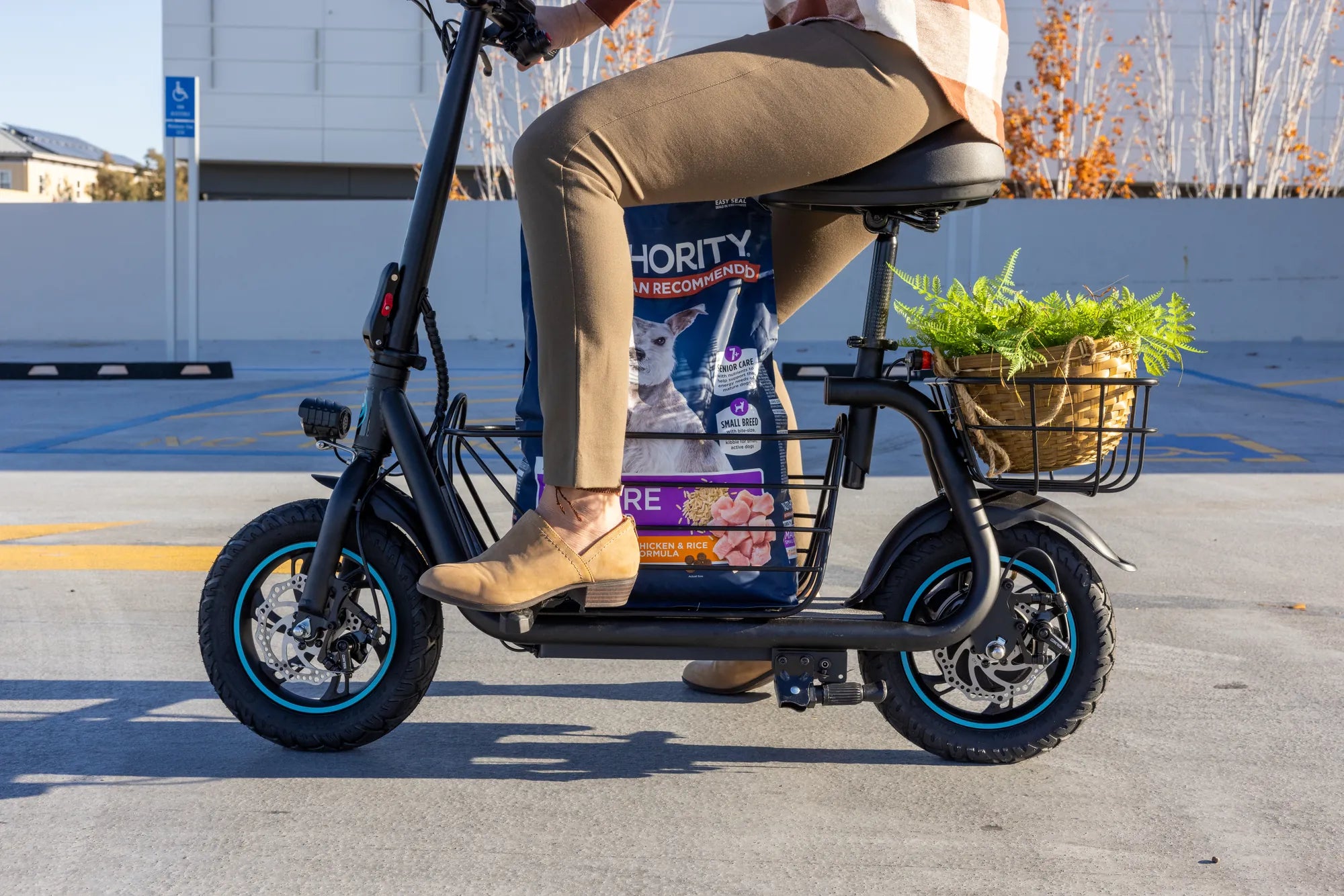
Imagine gliding over rough trails, bumpy city streets, or uneven countryside paths without feeling every jolt and vibration. That’s the magic of ebike suspension—a game-changer for riders seeking comfort and control. Whether you’re a daily commuter or an off-road adventurer, understanding how suspension works can transform your ebike experience. Let’s dive into the world of ebike suspension and explore why it matters.
Why Ebike Suspension Matters
Ebikes are heavier than traditional bicycles due to their motors and batteries, which means they generate more momentum and impact when riding over obstacles. A well-designed suspension system absorbs shocks, reduces fatigue, and keeps you in control. Without it, every bump can feel jarring, making longer rides uncomfortable and even unsafe.
Types of Ebike Suspension Systems
There are two main types of suspension systems found on ebikes:
1. Front Suspension (Hardtail)
Front suspension, or a hardtail setup, features a suspension fork in the front wheel. This design is ideal for light off-roading and urban commuting, where the front wheel encounters most of the bumps. It’s lighter and more affordable than full suspension but lacks rear shock absorption.
2. Full Suspension
Full suspension ebikes have both front and rear shock absorbers, offering superior comfort and traction on rough terrain. This setup is perfect for mountain biking or aggressive trail riding, where stability and control are critical. However, it’s heavier and more expensive than a hardtail.
Key Components of Ebike Suspension
Understanding the parts of a suspension system helps you make informed choices:
- Suspension Forks: These are mounted on the front wheel and use springs or air pressure to absorb impacts.
- Rear Shock Absorbers: Found on full-suspension ebikes, these dampen rear-wheel vibrations.
- Springs and Dampers: These regulate how the suspension compresses and rebounds, ensuring a smooth ride.
- Adjustability Features: Many systems allow you to tweak stiffness, rebound speed, and travel distance for a customized feel.
Benefits of Ebike Suspension
A good suspension system offers several advantages:
- Enhanced Comfort: Less strain on your arms, wrists, and back means longer, more enjoyable rides.
- Improved Traction: Suspension keeps wheels grounded, especially on loose or uneven surfaces.
- Better Control: Reduced vibrations mean more precise handling and braking.
- Increased Speed: With less fear of bumps, you can ride faster on rough terrain.
Choosing the Right Suspension for Your Ebike
Your riding style and terrain dictate the best suspension setup:
- City Commuters: A front suspension fork is usually sufficient for potholes and curbs.
- Off-Road Enthusiasts: Full suspension is a must for tackling rocky trails and steep descents.
- Hybrid Riders: If you mix urban and light trail riding, a hardtail with a plush fork may be ideal.
Maintenance Tips for Ebike Suspension
To keep your suspension performing at its best:
- Regularly clean and lubricate moving parts.
- Check for leaks or worn seals.
- Adjust settings based on your weight and riding conditions.
- Have a professional service it annually.
Ready to take your ebike adventures to the next level? Investing in the right suspension system can turn a bumpy ride into a buttery-smooth journey, no matter where the road takes you. Don’t let rough terrain hold you back—upgrade your ride and feel the difference today!
E Bike Under $1,500: Affordable, Efficient, and Eco-Friendly Commuting
Average E Bike Cost: What You Need to Know Before Buying