



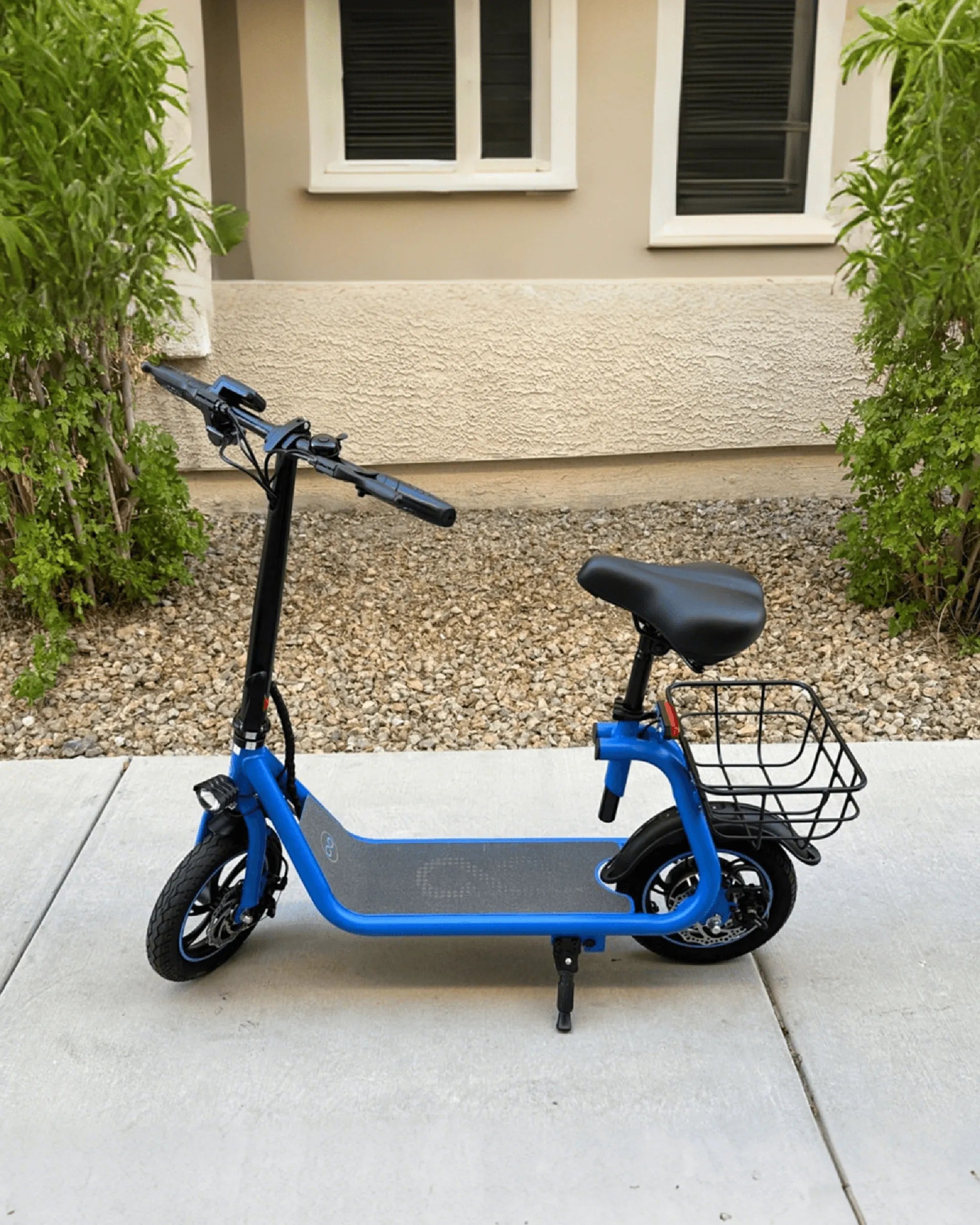
The elderly mobility scooter market is booming, and for good reason. As the global population ages, more seniors are seeking reliable, efficient, and affordable ways to maintain their independence. Mobility scooters have emerged as a game-changer, offering freedom and convenience to those with limited mobility. But what’s driving this market’s expansion, and what does the future hold? Let’s dive in.
The Rising Demand for Elderly Mobility Scooters
With life expectancy increasing worldwide, the elderly population is growing at an unprecedented rate. According to recent studies, the number of people aged 65 and older is expected to double by 2050. This demographic shift is fueling demand for mobility solutions that enhance quality of life. Elderly mobility scooters provide a practical alternative to wheelchairs, enabling users to navigate both indoor and outdoor environments with ease.
Key Trends Shaping the Market
Several trends are influencing the elderly mobility scooter market. One of the most notable is the shift toward lightweight and foldable designs. Modern scooters are becoming more portable, making them easier to transport and store. Additionally, advancements in battery technology have extended the range and lifespan of these devices, addressing one of the biggest concerns among users.
Another trend is the integration of smart features. Many newer models now come equipped with GPS tracking, digital displays, and even connectivity to mobile apps. These innovations not only improve usability but also enhance safety, giving users and their families peace of mind.
Challenges in the Elderly Mobility Scooter Market
Despite its growth, the market faces several challenges. High costs remain a barrier for many potential buyers, especially in developing regions where affordability is a major concern. Additionally, regulatory hurdles and varying standards across countries can complicate market entry for manufacturers.
Another issue is the lack of awareness in some regions. Many seniors and their caregivers are unfamiliar with the benefits of mobility scooters, leading to slower adoption rates. Education and outreach efforts will be crucial in overcoming this obstacle.
Future Opportunities and Innovations
The future of the elderly mobility scooter market looks promising, with numerous opportunities for growth. One area of potential is the development of eco-friendly models powered by renewable energy sources. As sustainability becomes a priority for consumers, manufacturers are exploring ways to reduce the environmental impact of their products.
Another exciting frontier is the use of artificial intelligence (AI) to enhance scooter functionality. AI-powered navigation systems could help users avoid obstacles and optimize routes, further improving the user experience. Additionally, partnerships with healthcare providers could lead to subsidized or insurance-covered scooters, making them more accessible to a broader audience.
As technology continues to evolve, the elderly mobility scooter market is poised for even greater expansion. Whether it’s through smarter designs, better affordability, or increased awareness, the industry is on track to transform the lives of millions of seniors worldwide. The road ahead is full of possibilities—don’t miss out on what’s coming next.
Mountain Biking Brands: The Ultimate Guide to Choosing the Best for Your Ride
Mountain Biking Brands: The Ultimate Guide to Choosing the Best for Your Ride