


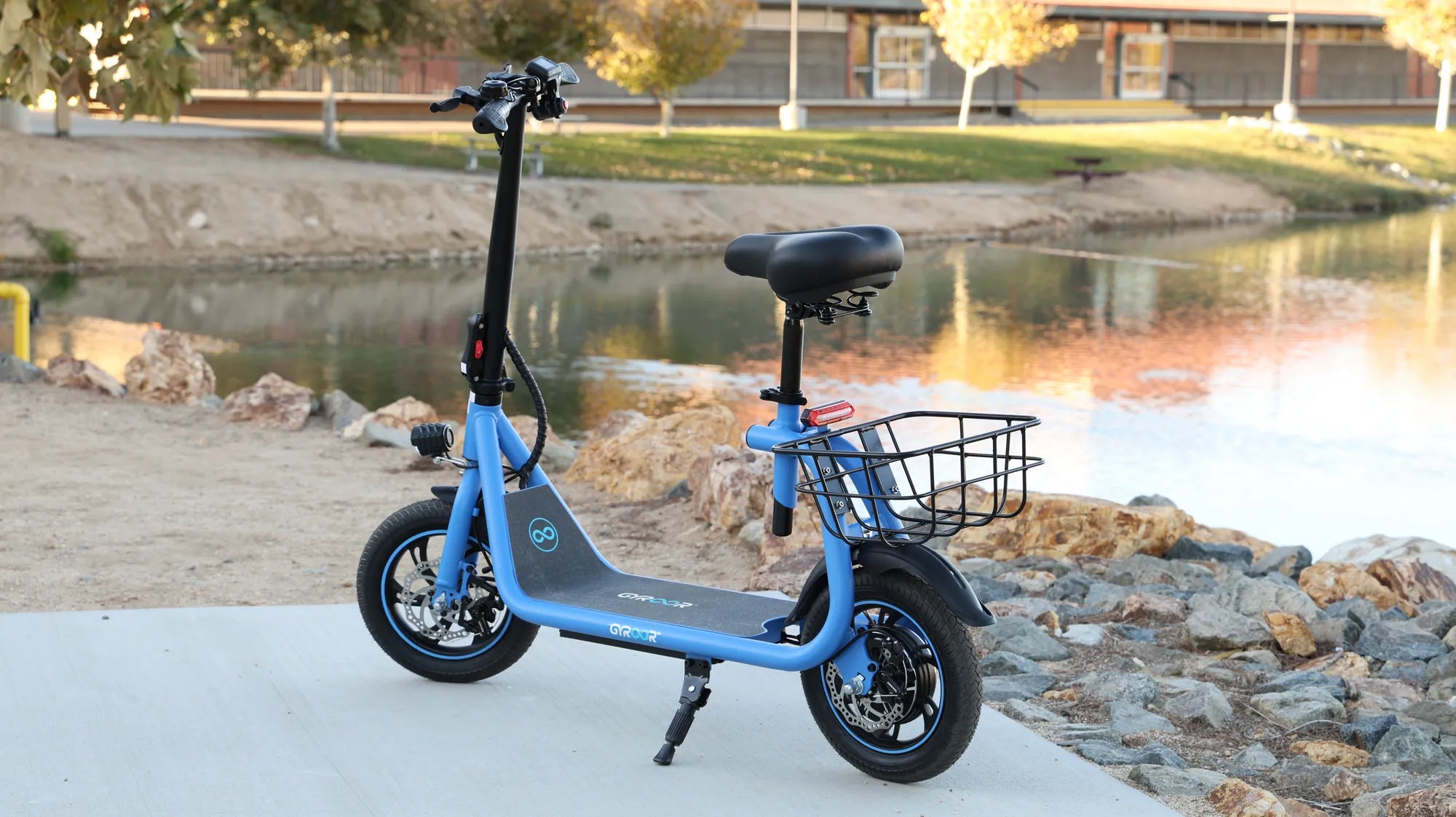
Nothing ruins a perfectly planned e-bike ride faster than discovering your electric bike charger isn’t working. Whether you’re preparing for your daily commute or an adventurous weekend trip, a malfunctioning charger can bring your plans to a screeching halt. But before you rush to buy a replacement, let’s explore the possible reasons why your electric bike charger isn’t working and how you can fix it.
Common Reasons Why Your Electric Bike Charger Isn’t Working
When your electric bike charger fails, it could be due to several factors. Identifying the root cause is the first step toward resolving the issue. Below are some of the most common reasons:
- Power Supply Issues: The charger may not be receiving power due to a faulty outlet or power strip.
- Damaged Charger Cable: Frayed or broken wires can disrupt the charging process.
- Faulty Charger Port: The charging port on your e-bike might be dirty, corroded, or damaged.
- Overheating: Chargers can shut down if they overheat, especially if left plugged in for extended periods.
- Battery Problems: The issue might not be with the charger but with the battery itself.
How to Troubleshoot an Electric Bike Charger That’s Not Working
Before assuming the worst, follow these troubleshooting steps to diagnose the problem:
1. Check the Power Source
Start by ensuring the charger is properly plugged into a functioning outlet. Test the outlet with another device to confirm it’s working. If the outlet is fine, inspect the charger’s power cable for visible damage.
2. Examine the Charger and Cables
Look for any signs of wear or tear on the charger’s cables and connectors. A damaged cable can prevent the charger from delivering power to the battery. If you spot any issues, replacing the cable might solve the problem.
3. Inspect the Charging Port
Dirt, debris, or corrosion in the charging port can interfere with the connection. Use a soft brush or compressed air to clean the port gently. Avoid using sharp objects that could cause further damage.
4. Test the Charger with Another Battery
If possible, try using the charger with another compatible battery. If it works, the issue might be with your e-bike’s battery rather than the charger.
5. Look for Overheating Signs
If the charger feels unusually hot, unplug it and let it cool down before trying again. Overheating can trigger safety mechanisms that temporarily disable the charger.
When to Replace Your Electric Bike Charger
If troubleshooting doesn’t resolve the issue, it might be time to replace your charger. Here are some signs that indicate a replacement is necessary:
- The charger doesn’t power on at all, even when connected to a working outlet.
- You notice burning smells or unusual noises coming from the charger.
- The charger’s LED indicators (if any) show error codes or fail to light up.
- The battery doesn’t charge even after trying multiple outlets and cables.
Preventive Measures to Avoid Charger Issues
To extend the lifespan of your electric bike charger and prevent future problems, follow these tips:
- Always unplug the charger when not in use to prevent overheating.
- Store the charger in a dry, cool place away from direct sunlight.
- Avoid bending or twisting the cables excessively.
- Regularly inspect the charger and cables for signs of wear.
Dealing with an electric bike charger that’s not working can be frustrating, but with the right approach, you can often identify and fix the issue without spending a fortune. By following these troubleshooting steps and preventive measures, you’ll keep your e-bike charged and ready for your next adventure. Don’t let a faulty charger derail your plans—take action today and get back on the road!
High Speed Electric Dirt Bike: The Future of Off-Road Adventure
Cost of Electric Scooter in Mumbai: A Comprehensive Guide for Buyers