



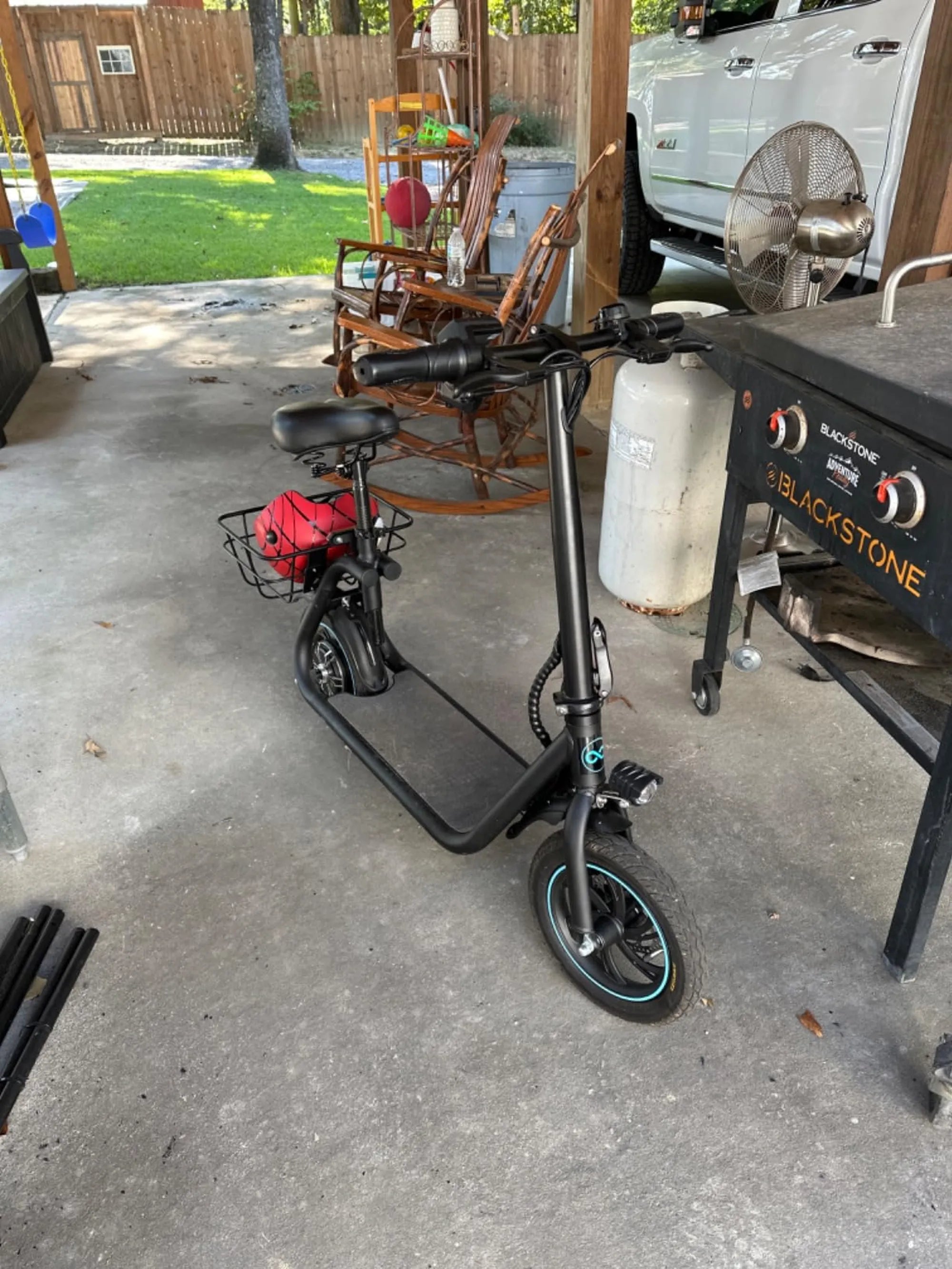
Electric bikes are revolutionizing the way we commute, exercise, and explore. But with so many options available, understanding the key differences can be overwhelming. Whether you're a seasoned rider or a beginner, knowing what sets each type apart will help you make an informed decision. Let's dive into the world of electric bikes and uncover what makes each one unique.
Motor Types: Hub vs. Mid-Drive
One of the most significant differences between electric bikes lies in their motor systems. Hub motors are located in the front or rear wheel and provide direct power to the wheel. They are generally quieter and require less maintenance. On the other hand, mid-drive motors are positioned near the bike's cranks, offering better weight distribution and improved efficiency, especially on hilly terrain. Choosing between these two depends on your riding style and terrain preferences.
Battery Life and Range
Battery capacity is another critical factor. Electric bikes come with varying battery sizes, measured in watt-hours (Wh). A higher Wh rating typically means a longer range, but factors like rider weight, terrain, and assist level also play a role. Some models offer removable batteries for easy charging, while others have integrated designs for a sleeker look. Understanding your daily commute or adventure needs will help you determine the right battery for you.
Pedal Assist vs. Throttle
Electric bikes generally fall into two categories when it comes to power delivery: pedal assist and throttle. Pedal assist bikes require you to pedal to activate the motor, providing a natural riding feel. Throttle-controlled bikes, on the other hand, allow you to engage the motor with a simple twist or push, similar to a motorcycle. Each has its advantages, with pedal assist being more energy-efficient and throttle offering instant power.
Frame Design and Weight
The frame design and weight of an electric bike can significantly impact your riding experience. Lightweight models are easier to maneuver and transport but may sacrifice battery size. Heavier bikes often come with larger batteries and more robust frames, ideal for off-road or long-distance riding. Consider where and how you'll use your bike to decide which frame suits you best.
Speed and Classifications
Electric bikes are classified into three main categories based on speed and power. Class 1 bikes offer pedal assist up to 20 mph, Class 2 includes throttle assist up to 20 mph, and Class 3 provides pedal assist up to 28 mph. Your local regulations may dictate which class is legal in your area, so it's essential to check before purchasing.
Terrain Compatibility
Not all electric bikes are created equal when it comes to handling different terrains. Some are designed for smooth city streets, while others are built for rugged off-road trails. Features like tire width, suspension, and motor power will determine how well your bike performs on various surfaces. Think about where you'll ride most often to choose the right model.
Price and Value
Electric bikes come in a wide range of prices, from budget-friendly options to high-end models. While it's tempting to go for the cheapest option, investing in a quality bike with reliable components can save you money in the long run. Consider factors like warranty, customer support, and upgradeability to ensure you're getting the best value for your money.
Ready to find the perfect electric bike for your lifestyle? With so many options and features to consider, the right choice is out there waiting for you. Whether you prioritize speed, range, or comfort, understanding these key differences will help you ride with confidence and joy.
Electric Bike with Best Mileage: The Ultimate Guide to Long-Range Rides
Electric Bike with Best Mileage: The Ultimate Guide to Long-Range Rides