

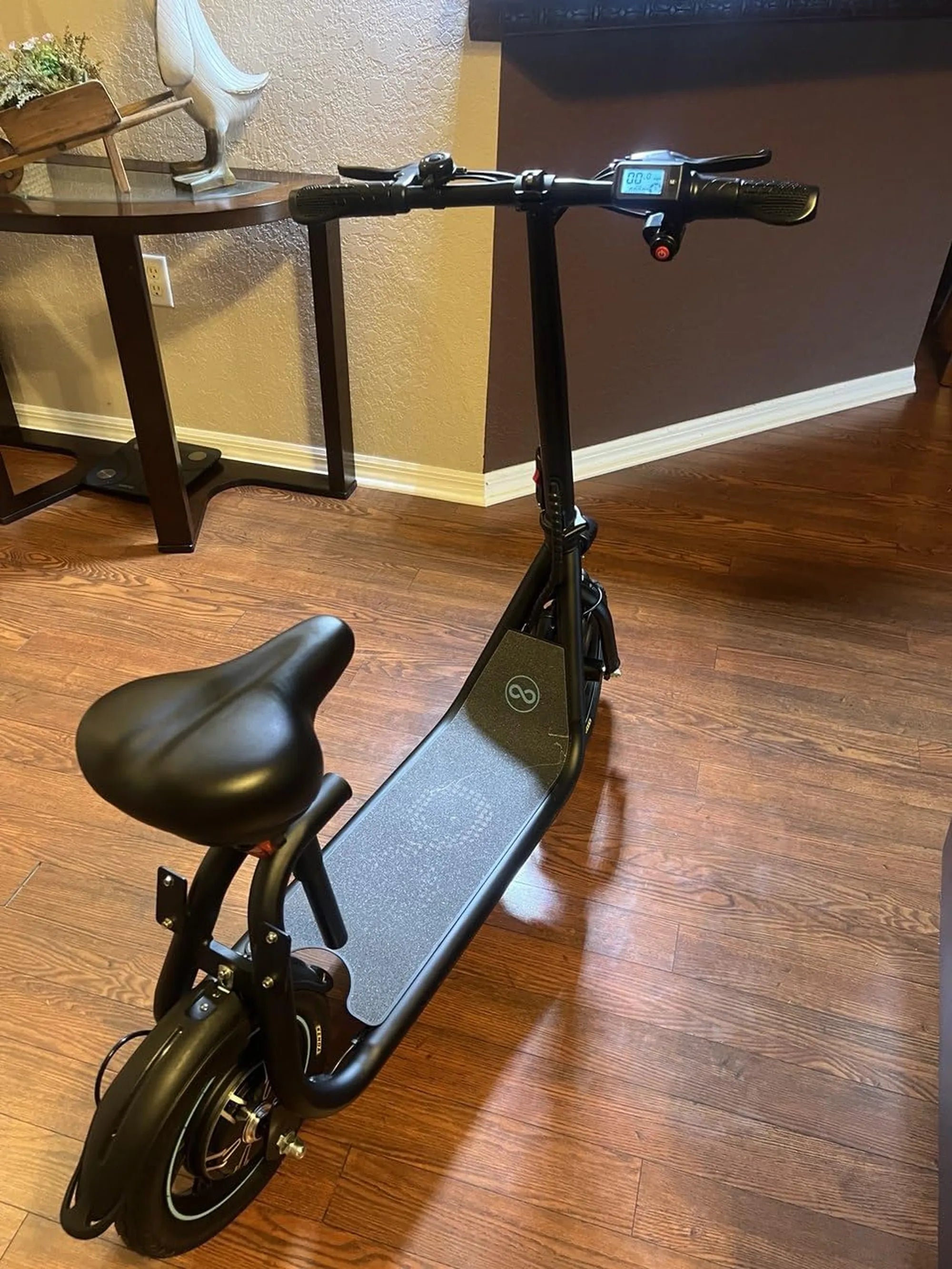
Commuting has evolved, and electric bikes and scooters are leading the charge. If you're tired of traffic jams, expensive parking, and crowded public transport, these eco-friendly alternatives might be your perfect solution. But which one is right for you? Let's dive into the key differences between electric bikes and electric scooters for commuting.
Speed and Range
When it comes to speed, electric bikes typically offer higher top speeds compared to electric scooters. Many e-bikes can reach speeds of 20-28 mph, while most electric scooters max out around 15-20 mph. However, some high-performance scooters can match or exceed e-bike speeds.
Range is another critical factor. Electric bikes generally have a longer range due to their larger battery capacity. You can expect an e-bike to travel 30-60 miles on a single charge, whereas electric scooters usually offer 15-30 miles. This makes e-bikes better suited for longer commutes.
Portability and Storage
Electric scooters win when it comes to portability. Most models are lightweight and foldable, making them easy to carry onto public transport or store under a desk. Electric bikes, while some are foldable, are bulkier and heavier, requiring more storage space.
If you live in a small apartment or need to combine your commute with public transportation, an electric scooter might be the more practical choice. For those with secure bike storage at home and work, an e-bike's size may not be an issue.
Comfort and Riding Experience
Electric bikes provide a more comfortable ride, especially for longer distances. With their larger wheels, suspension systems, and ergonomic seating, they handle bumps and uneven terrain better than scooters. The seated position also reduces fatigue on longer rides.
Electric scooters, while convenient, can be less comfortable over rough surfaces due to their smaller wheels. Standing for extended periods might also become tiring, though some riders adapt quickly.
Safety Considerations
Both vehicles require safety precautions, but e-bikes generally offer more stability at higher speeds. Their larger wheels and lower center of gravity make them less prone to wobbling. Many e-bikes also come equipped with better lighting and braking systems.
Electric scooters can feel less stable at higher speeds, especially when encountering potholes or debris. However, their slower speeds in urban environments might actually make them safer in crowded areas.
Legal Regulations
Laws vary by location, but generally, electric bikes face fewer restrictions than scooters. Many cities classify e-bikes similarly to traditional bicycles, allowing them on bike lanes and paths. Electric scooters often face more regulations regarding where they can be ridden and parked.
Always check your local laws before purchasing either vehicle, as some areas require licenses, helmets, or have specific speed limits for these electric vehicles.
Cost Comparison
Electric bikes typically cost more upfront than electric scooters. You can find decent e-bikes starting around $1,000, while quality scooters begin at $500. However, when considering long-term value, e-bikes often prove more durable and require less maintenance.
Operating costs are similar for both, with minimal electricity costs for charging. However, e-bike tires and components might need replacement less frequently than scooter parts.
Weather Considerations
Neither option is ideal in heavy rain or snow, but electric bikes generally handle wet conditions better. Their larger tires provide more traction, and fenders can help keep riders dry. Electric scooters can become slippery in wet conditions, and their small wheels are more likely to lose traction.
For year-round commuting in areas with mild weather, both can work well. In regions with harsh winters, you might need alternative transportation during inclement weather.
Environmental Impact
Both electric bikes and scooters offer significant environmental benefits over cars. They produce zero emissions during operation and consume minimal electricity. E-bikes might have a slight edge in sustainability as they typically last longer before needing replacement.
The manufacturing processes for both have environmental impacts, but these are far less than those associated with automobile production.
Health Benefits
Electric bikes provide more opportunity for exercise than scooters. Even with pedal assist, riders still engage their muscles and get some cardiovascular benefit. Many e-bikes allow you to adjust the level of assistance, letting you get as much or as little workout as you want.
Electric scooters offer minimal physical activity, though standing does engage core muscles to some degree. If fitness is a priority in your commute, an e-bike is the clear winner.
Commuting Distance
For short commutes under 5 miles, both options work well. The electric scooter's portability might give it an edge for very short trips. For medium distances (5-15 miles), electric bikes become more comfortable and practical. For commutes over 15 miles, e-bikes are generally the better choice due to their comfort and range.
Consider your exact route as well. If you have many hills, an e-bike's pedal assist will help more than a scooter's motor alone.
Whether you choose an electric bike or scooter for your commute depends on your specific needs and circumstances. For short, flat commutes where portability is key, an electric scooter might be perfect. If you prioritize comfort, range, and a bit of exercise, an electric bike could be your ideal commuting partner. Both options beat sitting in traffic, and you'll arrive at work energized rather than stressed. The future of commuting is electric - which ride will you choose?
How Much Are Electric Scooters in Chicago: A Complete Pricing Guide
Top Electrical Scooters San Francisco: The Ultimate Guide to Urban Commuting