



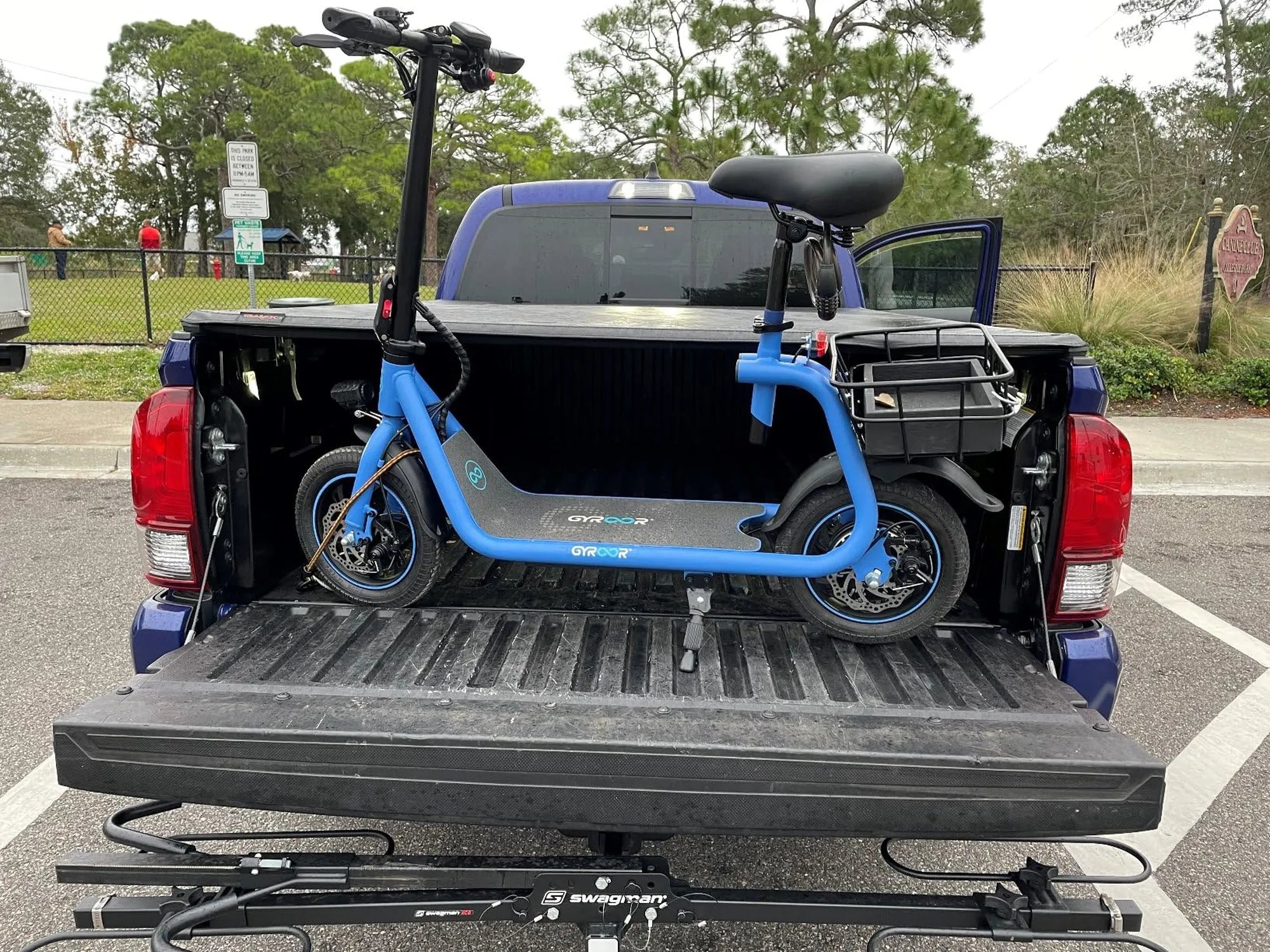
Imagine gliding through city streets with effortless speed, powered by a silent, eco-friendly motor embedded in your bike wheel. Electric bike wheels are transforming the way we commute, blending cutting-edge technology with sustainable transportation. Whether you're a daily commuter, a fitness enthusiast, or an eco-conscious traveler, these innovative wheels promise a smoother, smarter ride.
What Is an Electric Bike Wheel?
An electric bike wheel is a self-contained unit that replaces a standard bicycle wheel, integrating a motor, battery, and control system. Unlike traditional e-bikes with bulky frames, these wheels can be retrofitted onto existing bikes, instantly upgrading them into electric hybrids. The design prioritizes simplicity, allowing riders to enjoy the benefits of electric assistance without the need for a completely new bike.
How Does an Electric Bike Wheel Work?
The magic of an electric bike wheel lies in its seamless integration of components. A hub motor, housed within the wheel, provides propulsion when activated. The battery, often mounted on the frame or integrated into the wheel itself, supplies power to the motor. Riders can control the level of assistance via a handlebar-mounted display or a smartphone app, adjusting speed and torque to match their needs.
Key Components:
- Hub Motor: The heart of the system, delivering silent and efficient power.
- Battery Pack: Typically lithium-ion, offering long-range and quick charging.
- Controller: Manages power distribution and user inputs.
- Sensors: Detect pedaling cadence, speed, and torque for responsive assistance.
Benefits of Electric Bike Wheels
Electric bike wheels are more than just a convenience—they’re a game-changer for urban mobility. Here’s why they’re gaining popularity:
Eco-Friendly Transportation
By reducing reliance on fossil fuels, electric bike wheels help lower carbon emissions. They’re a clean alternative to cars and motorcycles, making them ideal for environmentally conscious riders.
Cost-Effective Commuting
Compared to owning a car or even a traditional e-bike, electric bike wheels are an affordable upgrade. They eliminate fuel costs, reduce maintenance expenses, and often pay for themselves over time.
Enhanced Performance
Whether tackling steep hills or covering long distances, electric assistance ensures a fatigue-free ride. Riders can choose between full electric mode or pedal-assist for a customized experience.
Choosing the Right Electric Bike Wheel
Not all electric bike wheels are created equal. Consider these factors before making a purchase:
Motor Power and Torque
Higher wattage motors deliver more speed and climbing ability, but they also consume more battery. Match the motor to your typical riding conditions.
Battery Capacity
Measured in watt-hours (Wh), battery capacity determines range. Larger batteries support longer rides but add weight.
Compatibility
Ensure the wheel fits your bike’s frame, fork, and brake system. Common sizes include 26-inch, 700c, and 20-inch for folding bikes.
Maintenance and Care Tips
Electric bike wheels are low-maintenance but require some attention to ensure longevity:
- Keep the battery charged between 20-80% for optimal lifespan.
- Regularly inspect tire pressure and tread wear.
- Clean the wheel and motor housing to prevent dirt buildup.
Future Trends in Electric Bike Wheels
As technology advances, electric bike wheels are set to become even smarter. Innovations like regenerative braking, AI-powered assistance, and lightweight graphene batteries are on the horizon. These developments will further enhance efficiency, range, and user experience.
Ready to revolutionize your ride? Electric bike wheels offer a perfect blend of innovation, sustainability, and performance. Whether you're dodging traffic or exploring scenic routes, this technology ensures every journey is effortless and enjoyable. Say goodbye to sweaty commutes and hello to the future of cycling!
Best Electric Dirt Bike for 13 Year Old: Top Picks and Buying Guide
Best Electric Dirt Bike for 13 Year Old: Top Picks and Buying Guide